sales@jufuwater.com +8618001362005
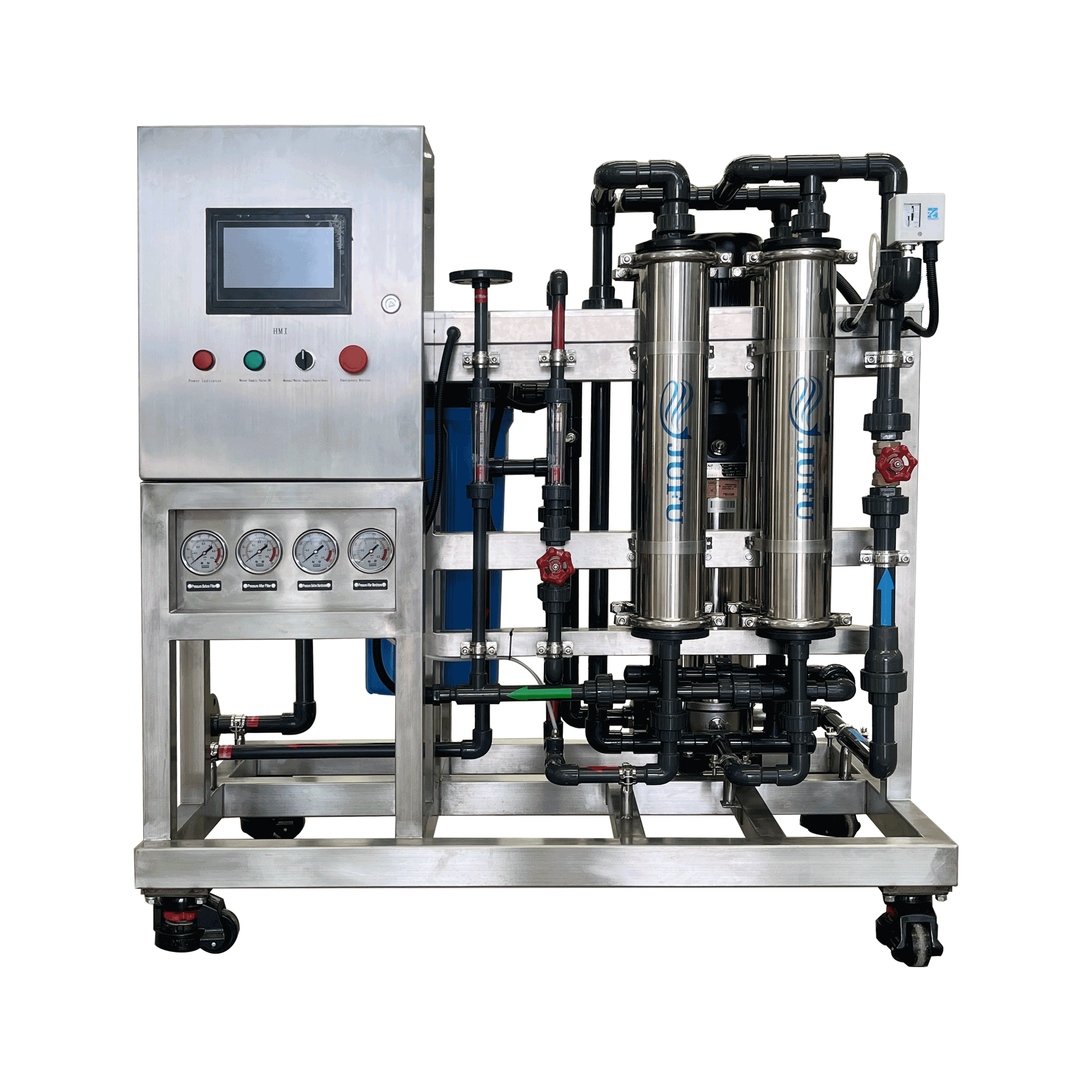
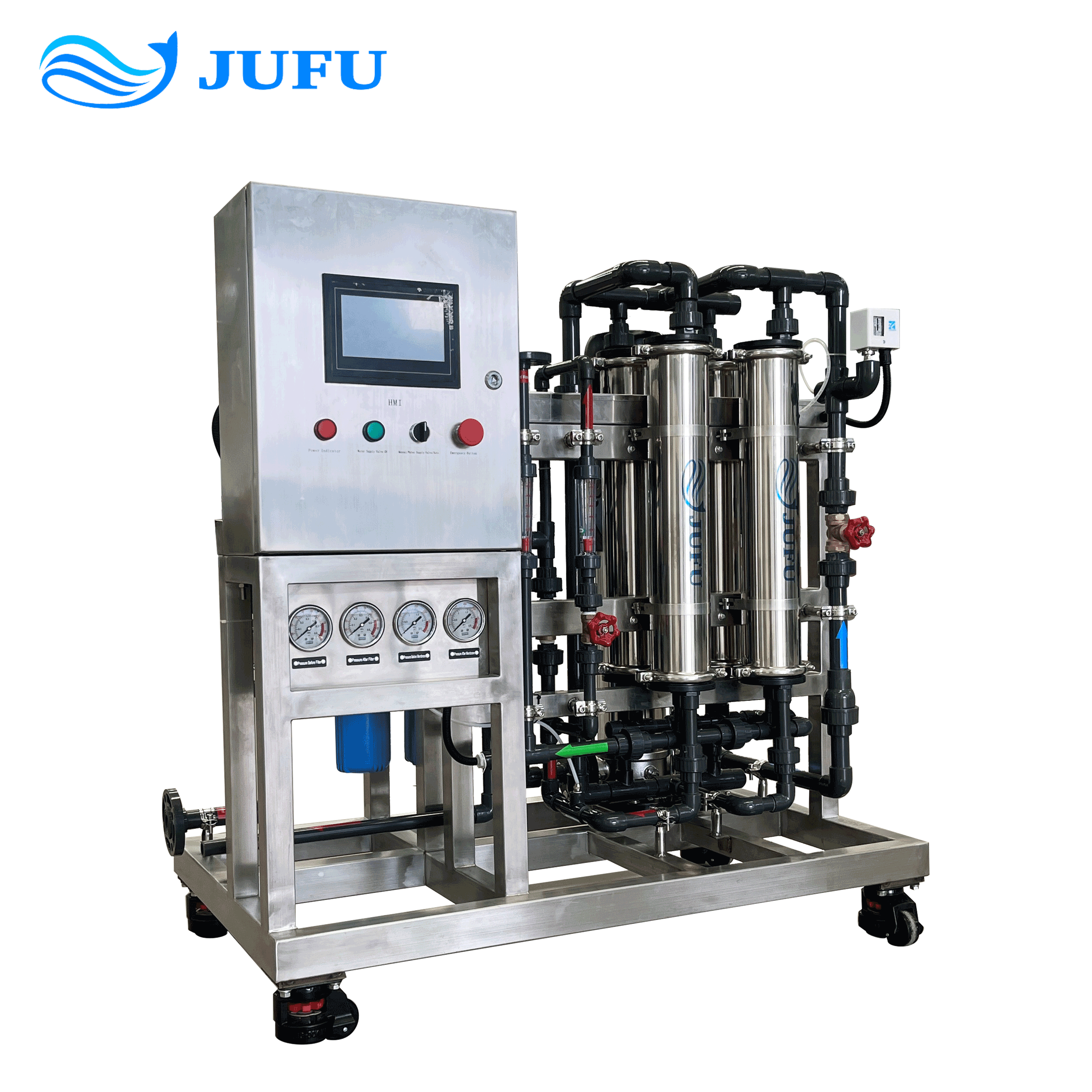
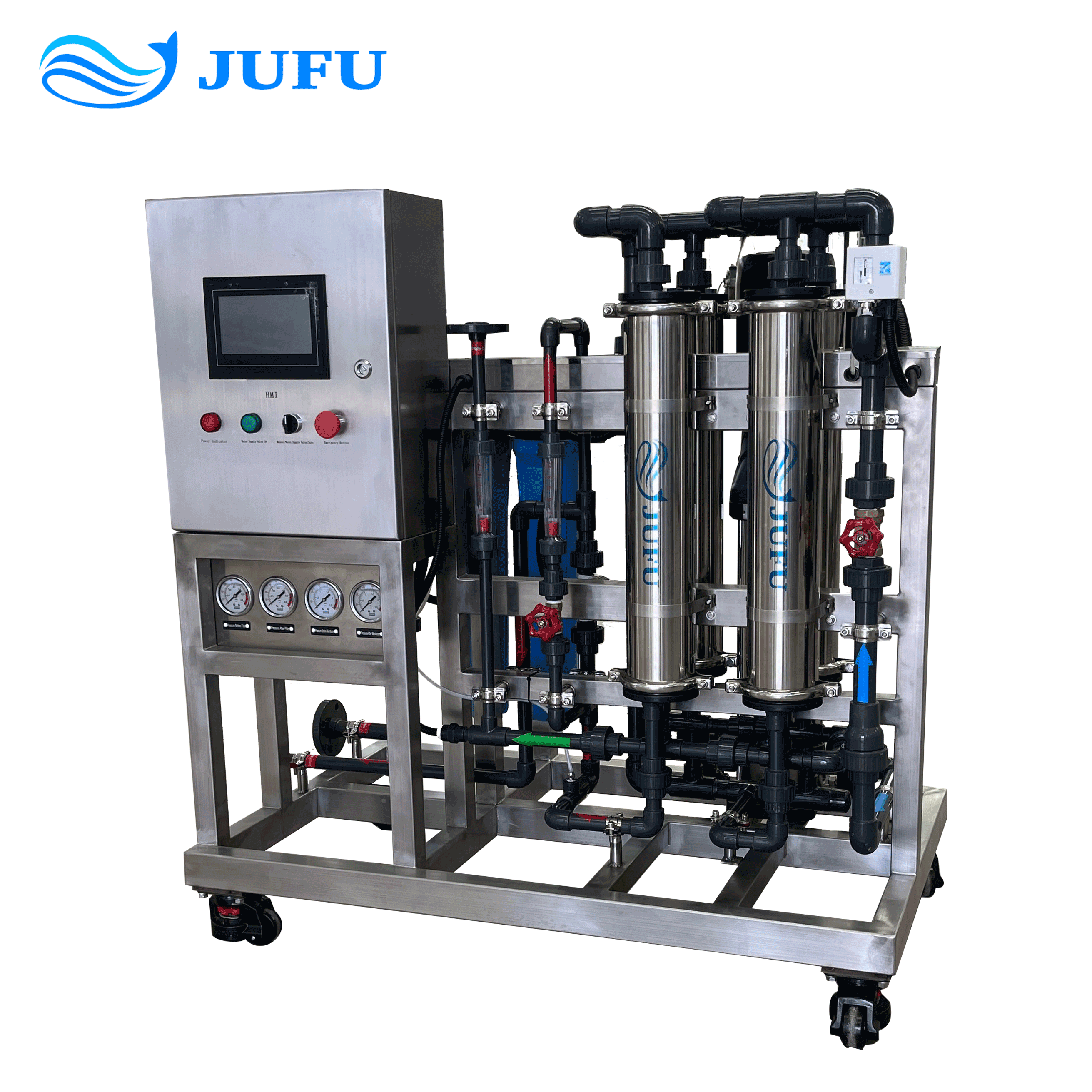
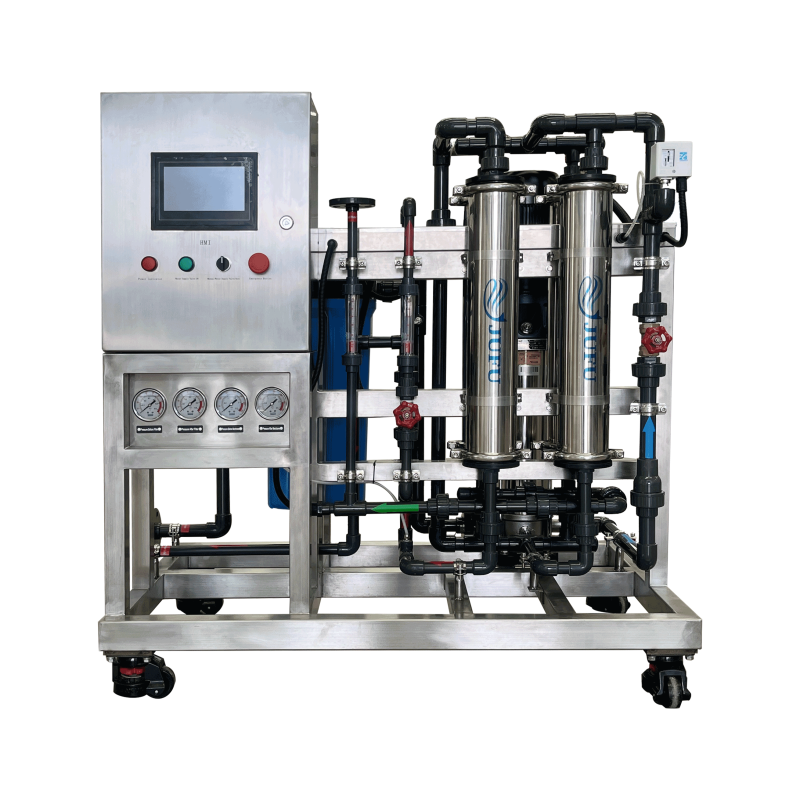
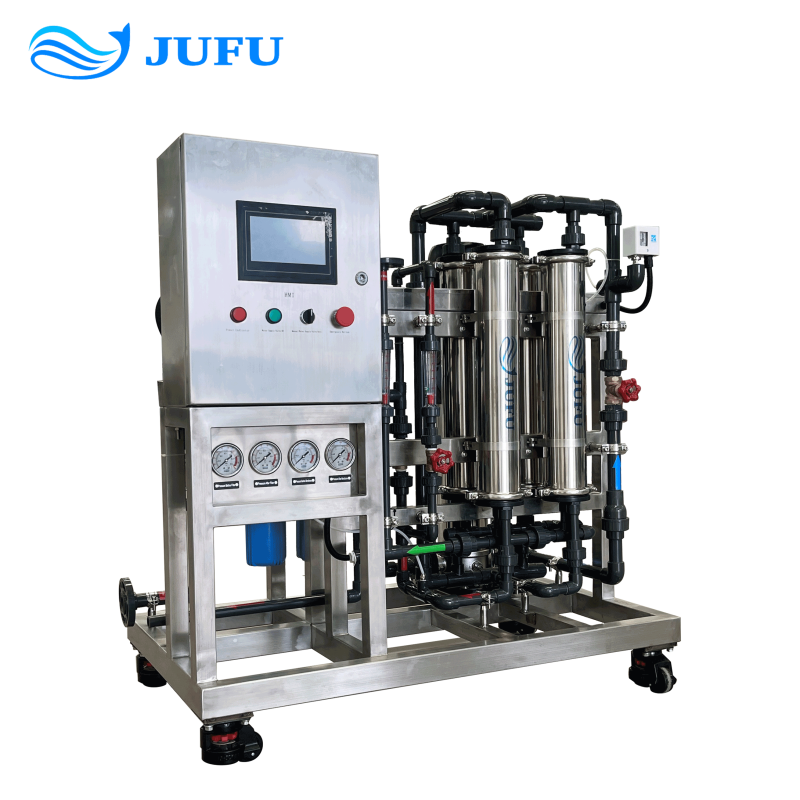
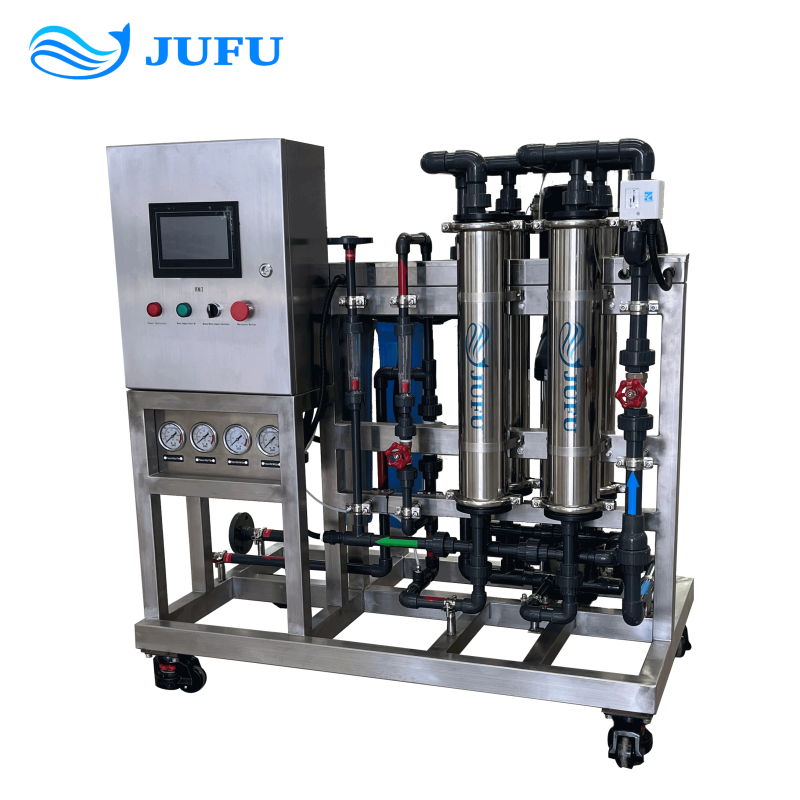
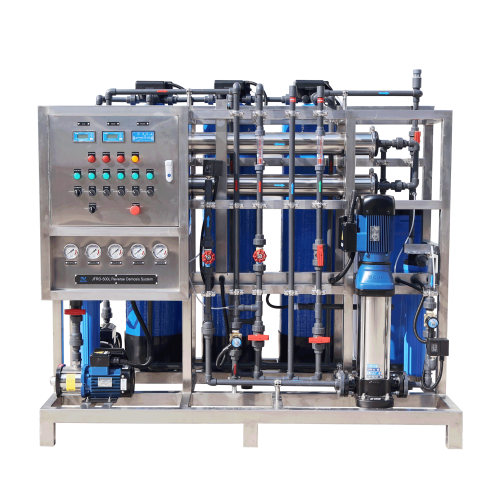
500LPH Reverse Osmosis System (4021-RO Membrane)
- Model: JFRO-500L
- ISO9001 & CE certified
- Capacity: 500liter/hour
- Desalination rate: 99%
- Recovery rate: 75%
- Membrane size: 4021
- Control type: Auto
- Applicable industries: Hotels, Food & Beverage factory, Farms, Restaurant,Water shop
- Pre-shipment testing: Provide
- Installation guidance: Online Video meeting
- Warranty: 12 months
- Package: Wooden case
- Export market: United States, Spain, Poland, Italy, Australia, Canada, Mexico, Philippines, Peru, Saudi Arabia, Jamaica, Columbia, Chile, Peru,Bolivia, Argentina,Indonesia,Malaysia,Vietnam, Nigeria, Tanzania, Kenya, Morocco,Kyrgyzstan, Russia
What is RO Water Treatment System?
JUFU water Commercial Reverse Osmosis Water Purification System uses an advanced membrane technology that effectively removes impurities, producing great taste water.
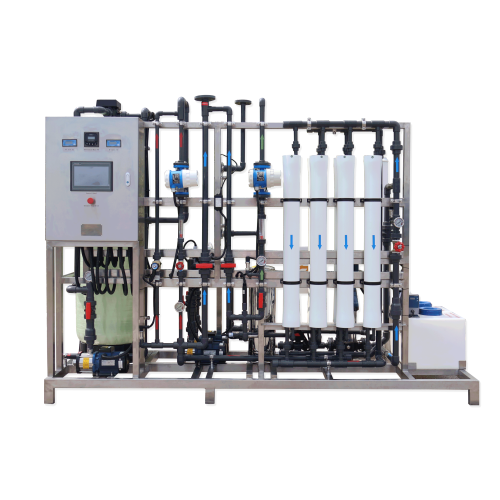
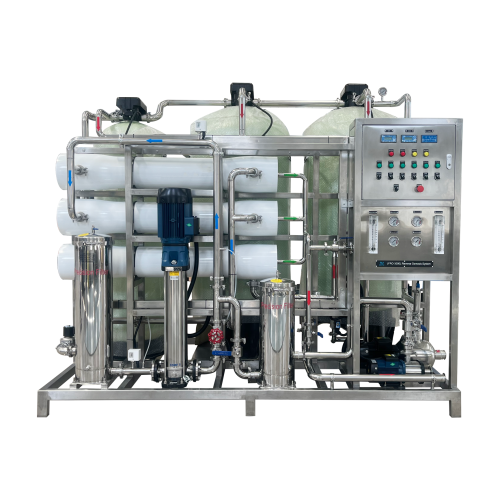
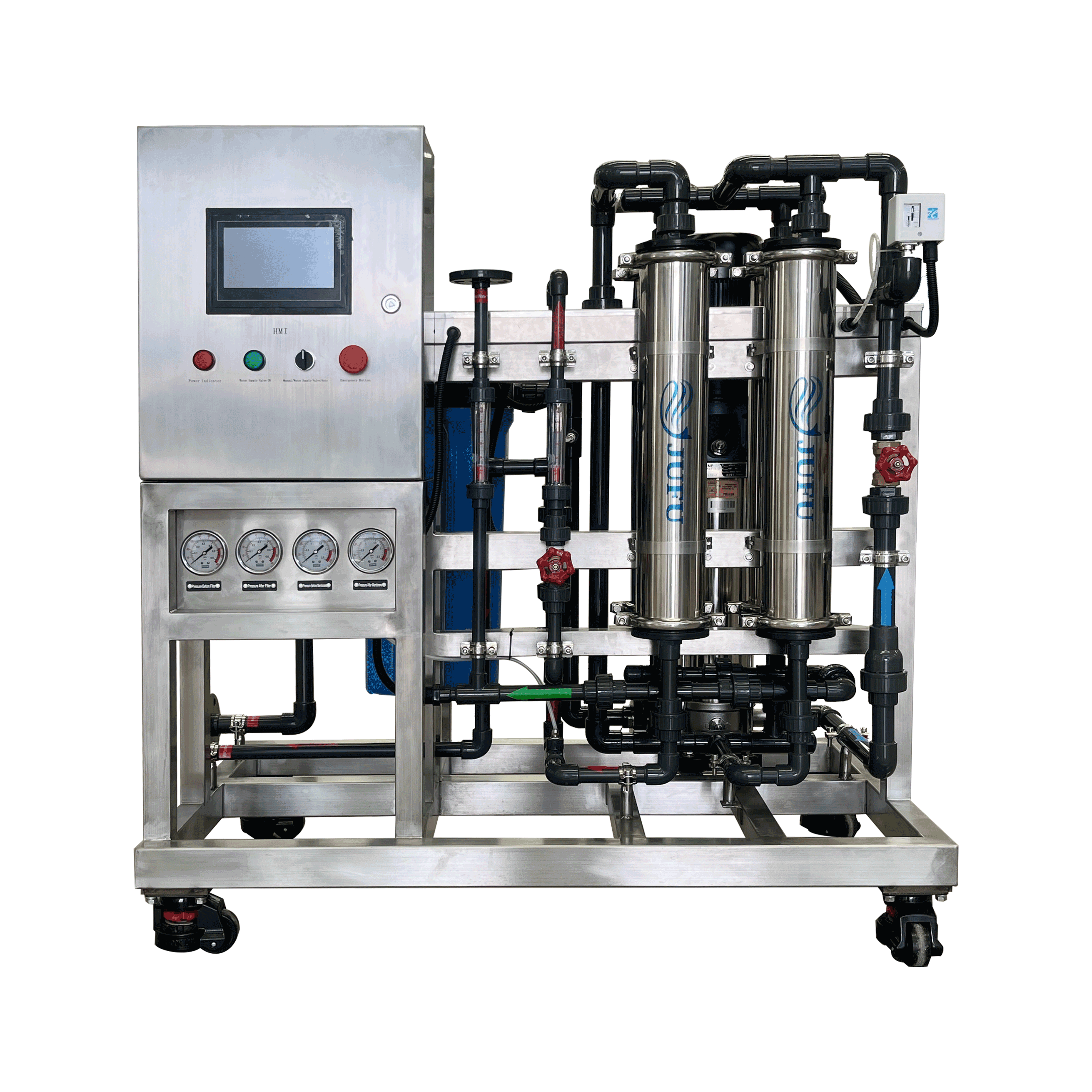
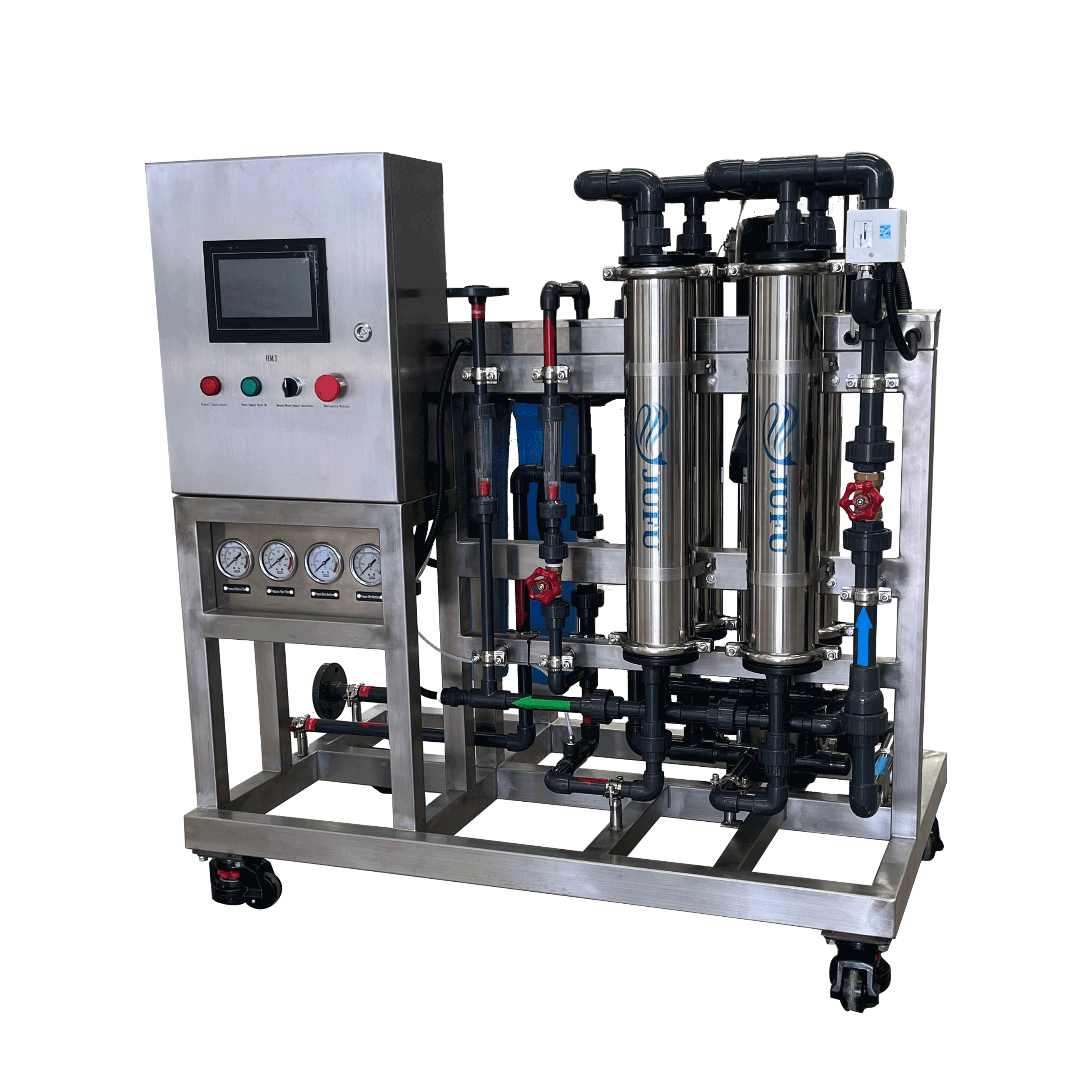
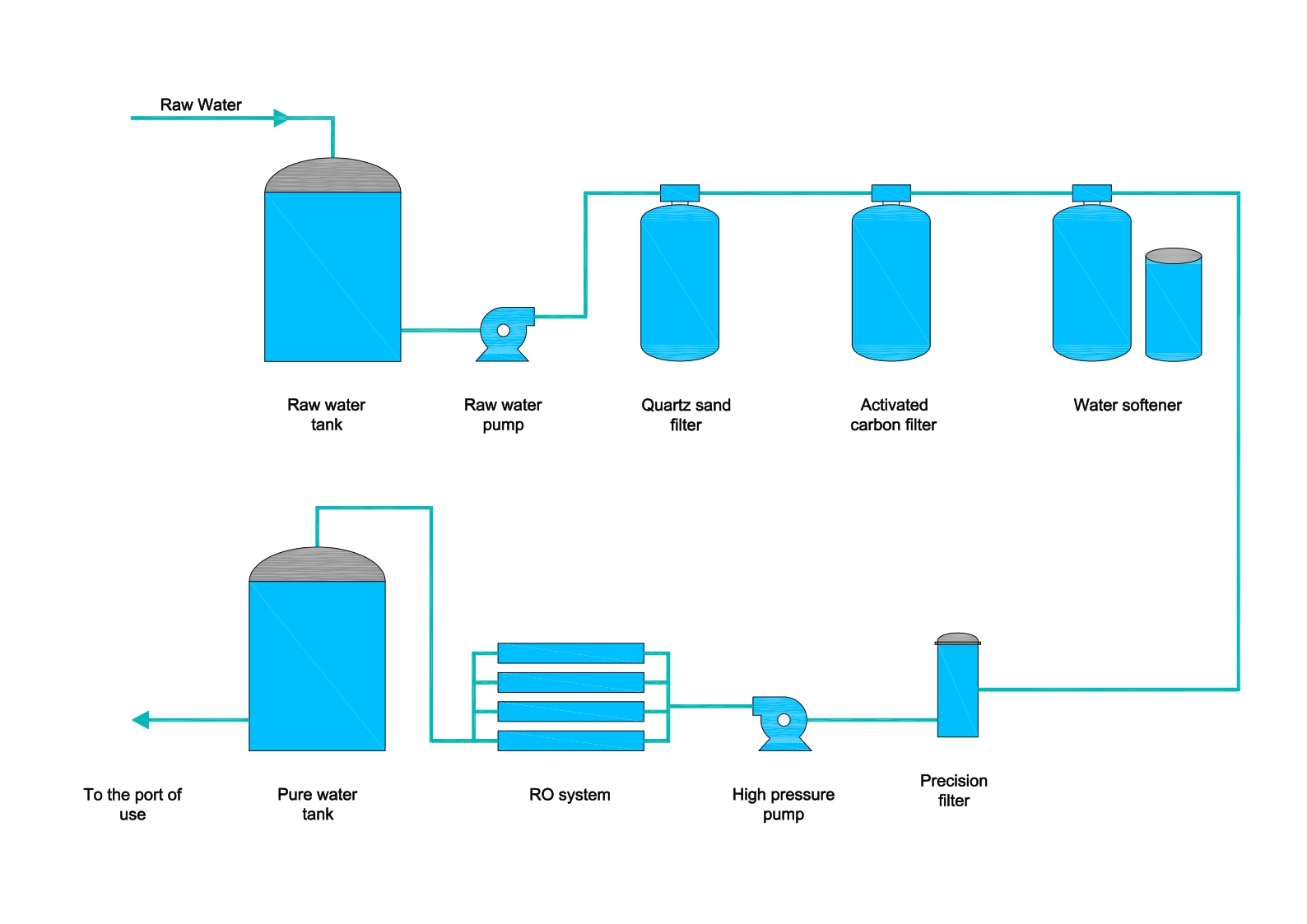
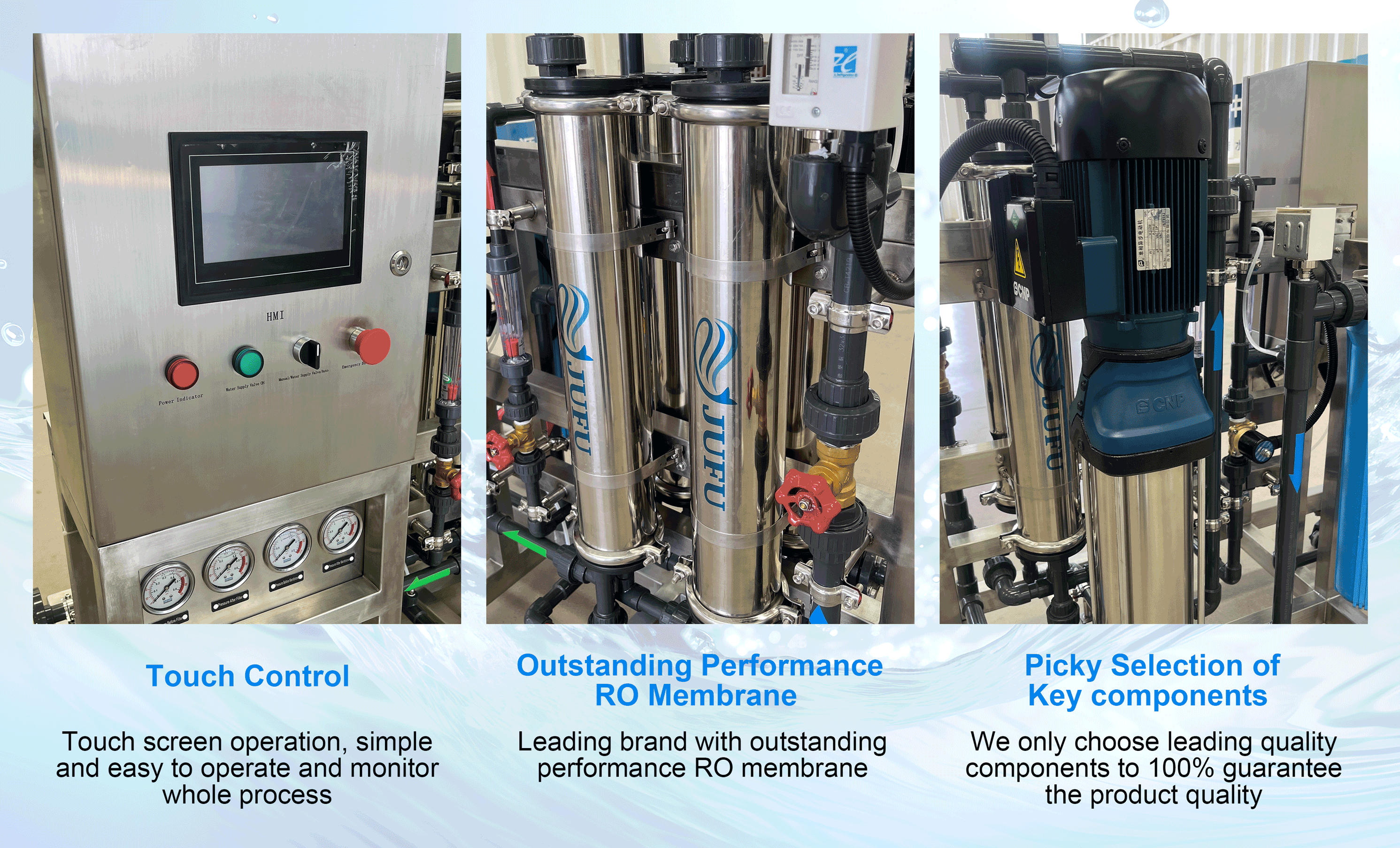
It’s easy to install and can fully automatic operate, consists of raw water pump, , precision filter, 4021 RO membrane, SUS membrane housing, high pressure pump, electric control box and touch screen.
The pretreatment, chemical cleaning system, PLC and some parts brand can be adds or changes as customer demand.
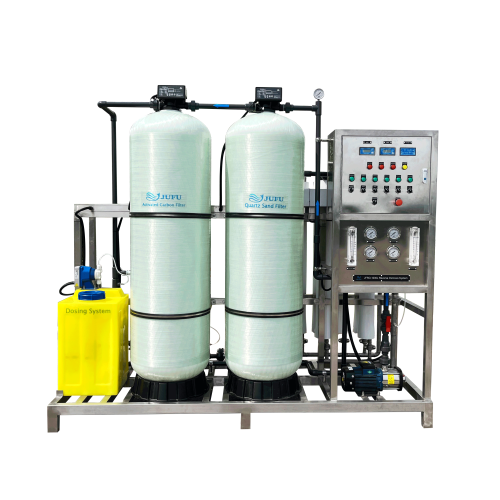
JUFU water’s commercial reverse osmosis systems are suitable for tap water, municipal water and other water sources with a TDS of 0-2000ppm.Our team of engineers will select the most suitable size of pre-treatment FRP tank, the amount of filter materials, and the tank material based on the raw water analysis and the purpose of produced water. The pretreatment part usually consists of quartz sand, activated carbon filters and water softener, which is very important for a reverse osmosis system.
Principles of Reverse Osmosis
RO systems employ thin film composite spiral wound membrane elements for superior performance. To simply describe the process, pump pressure is used to supply source water to reverse osmosis membranes. These special membranes allow only high quality water to permeate them. In turn, they reject metals, salts, ionic and organic impurities that are processed to waste. Suspended solids are removed by pre-filters, which are standard components on all JUFU water RO systems
Work flow chart
Specification of 500LPH reverse osmosis system
| Model | JFRO-500L | ||
| Producing Capacity | 500L/H | RO membrane | 4″-4021 |
| Recovery Rate | ≥75% | Power Supply | Single-phase: 110/120/220V 50/60Hz |
| Operating Pressure | 0.5-1.0MPa | Tri-phase: 110/220/380/415V 50/60Hz | |
| Desalination Rate | 99% | Power Consumption | 2kW |
| Filtration Accuracy | 0.0001 micron | Control Type | Manual control / Auto control |
| Feed Water Quality | SDI<5 Free Chlorine Concentration<0.1mg/L TDS<2000mg/L | ||
| Features | Removes impurities such as inorganic ions, bacteria, viruses, organic matter and colloids from raw water. | ||
Details of 500LPH Reverse osmosis system
Functions of Membrane Housing in Water Treatment System
Membrane housing is a pressure vessel for loading membrane elements in a reverse osmosis water treatment system. Currently, there are three types of membrane housings with different materials for water treatment on the market: FRP (fiberglass reinforce plastic), stainless steel and PVC. However, in recent years, more and more reverse osmosis water treatment systems have chosen to use FRP membrane housing. This is because the FRP membrane housing has a strong advantage in terms of pressure bearing capacity, design size, material properties and operating temperature compared to stainless steel and PVC membrane shells.
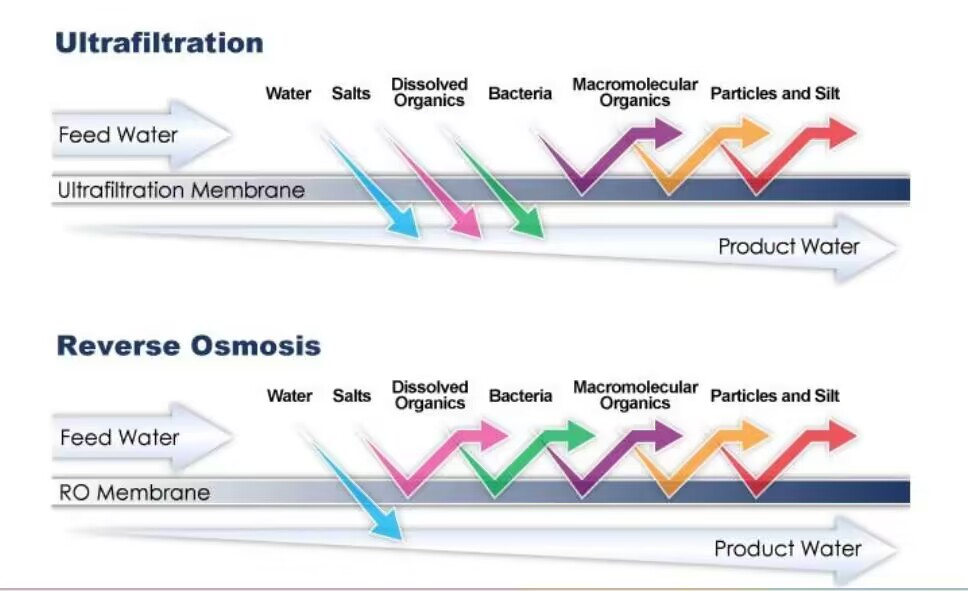
The difference between choosing RO and UF processes?
The most important costs for an Reverse Osmosis System
There are mainly 4 key points for the total cost. Here below, we will give you a detailed explanation of them.
–Flow rates
Different flow rates typically equate to different capital expenditures when it comes to water treatment systems.
The standard units for measuring system flow rate are gallons per minute (GPM) and/or gallons per day (GPD). When getting a price for a new water treatment system, make sure you have an exact measurement of your process needs because flow rates are always taken into account when calculating the system cost.
–Water quality
It is obvious that the liquid plays an important role in the cost of the water treatment system.The quality and content of the liquid that you want to treat are closely connected to the service time of filter elements.
–Required standard for purification
Understanding the desired objective outcome for an water treatment system is equally critical, For instance, if you invest in a pharmaceutical water treatment system, you probably want to meet regulatory criteria, which can differ greatly depending on the items you create.
–Different materials
It is known that many industries have extreme and harsh operating conditions for water treatment systems. There might be high temperatures, high pressure, high corrosion and chemical solvents. Fortunately, we have plenty of choices for equipment materials.
Additionally, we have many other causes that have an impact on the total cost. We would list them below:
-PLC components
-Touch Panel for example Siemens
-CIP system
-Space for the system
-Operation and maintenance costs
-Automation or manual control
-Installation
-Shipment
What are Typical Applications for Reverse Osmosis Systems?
Reverse osmosis is typically used for boiler feed/makeup water, chemical process water, cosmetics, drinking water, electronics, food, and beverage processing, horticulture, humidification, ice making, laboratories, manufacturing process water, metal finishing, pharmaceutics, photographic processing, printing, and vehicle washes. All of these water applications could benefit from the installation of an Water Solutions reverse osmosis system.