sales@jufuwater.com +8618001362005
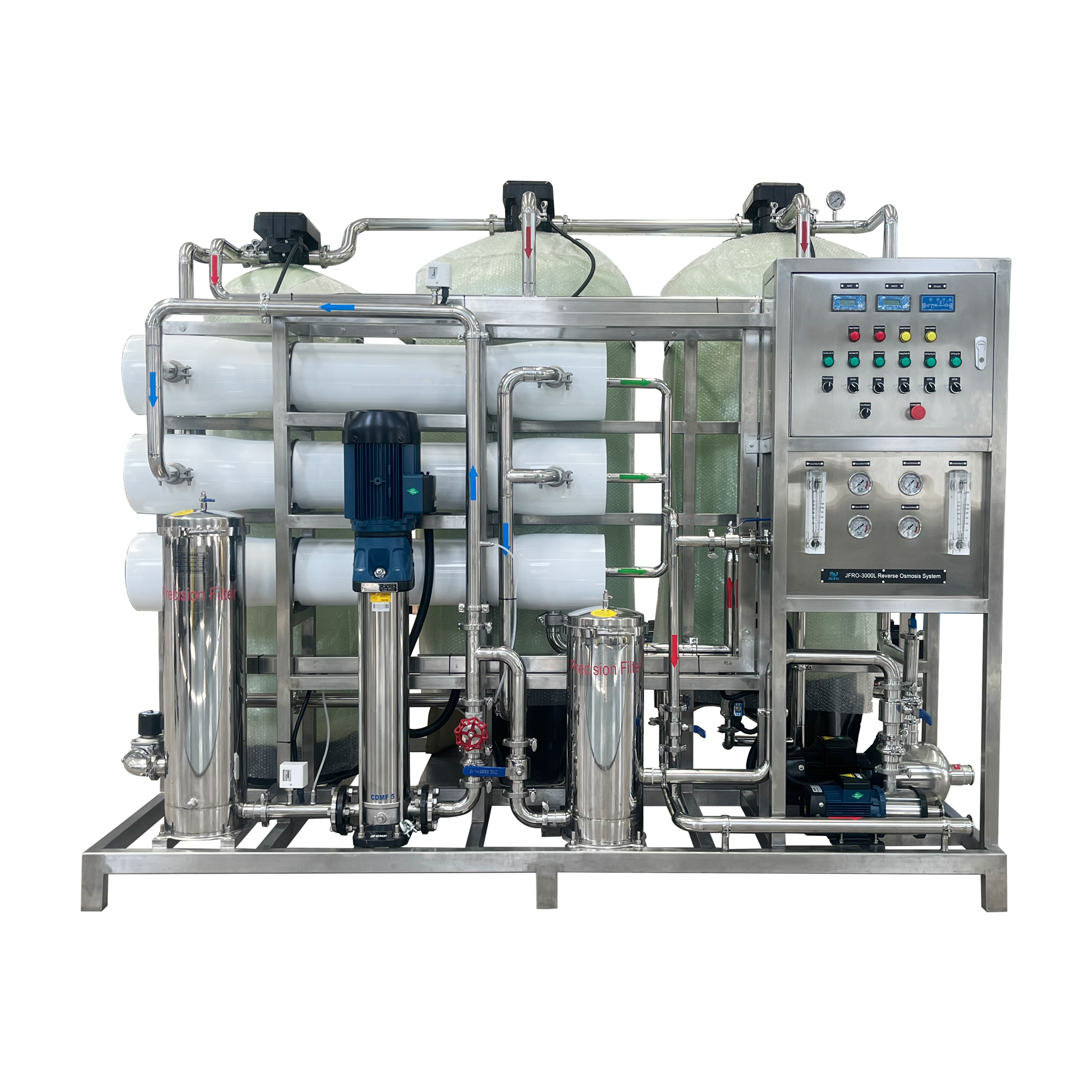
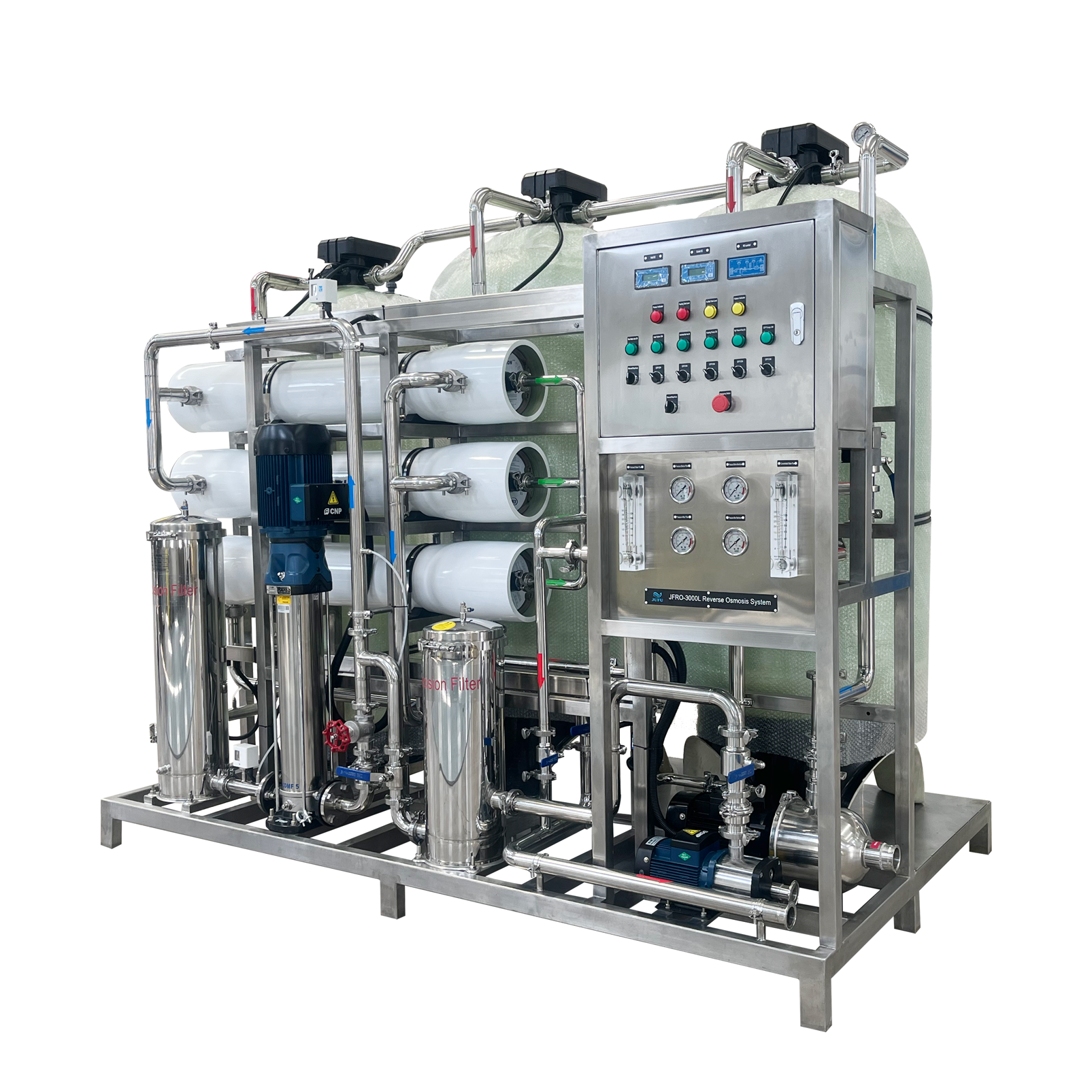
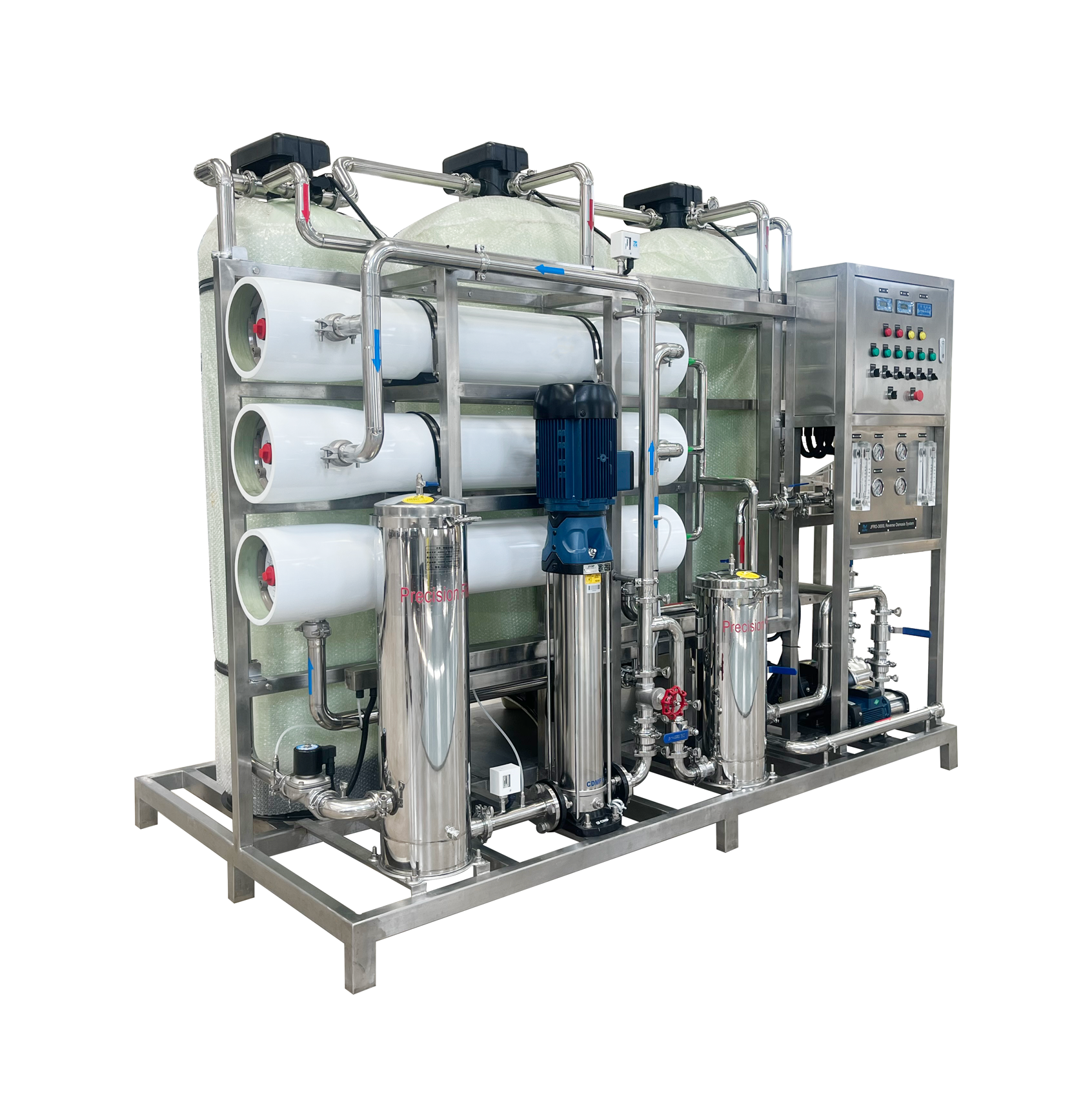
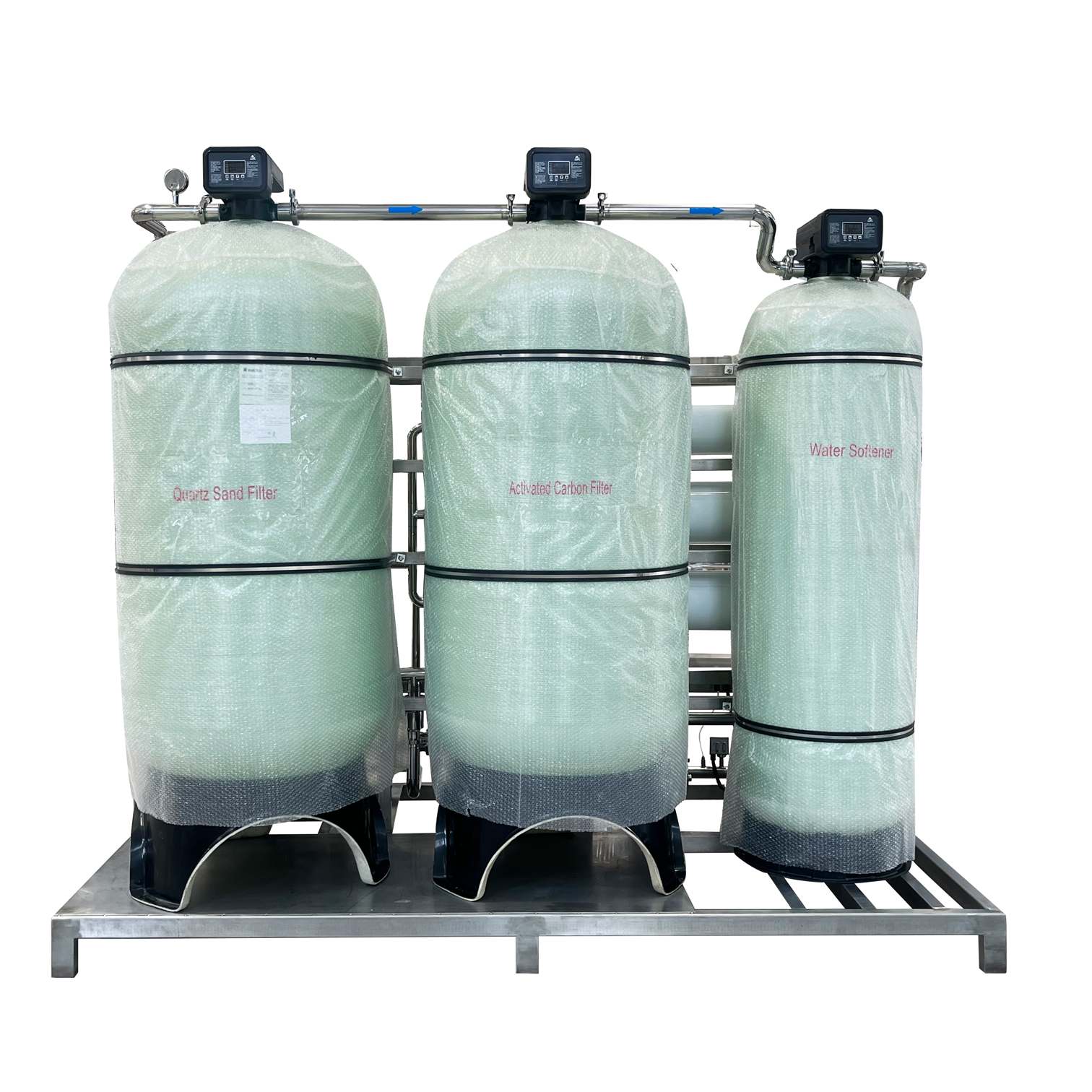
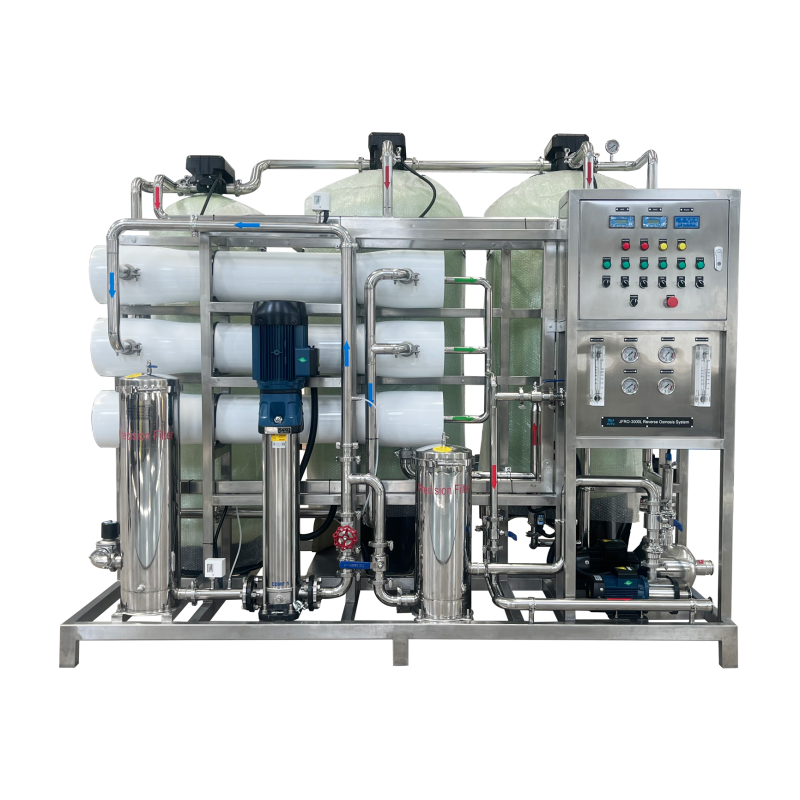
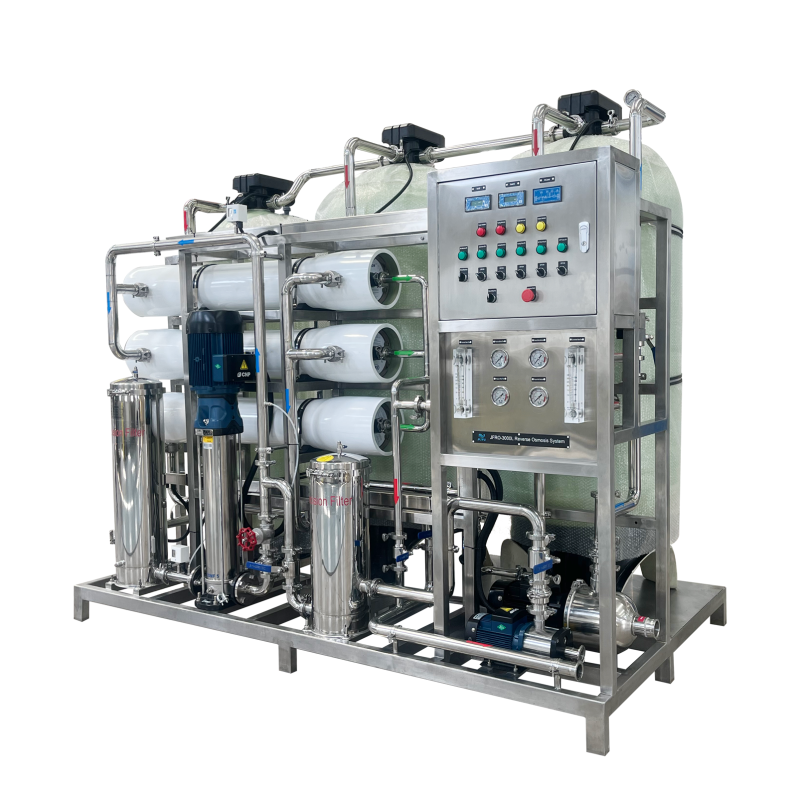
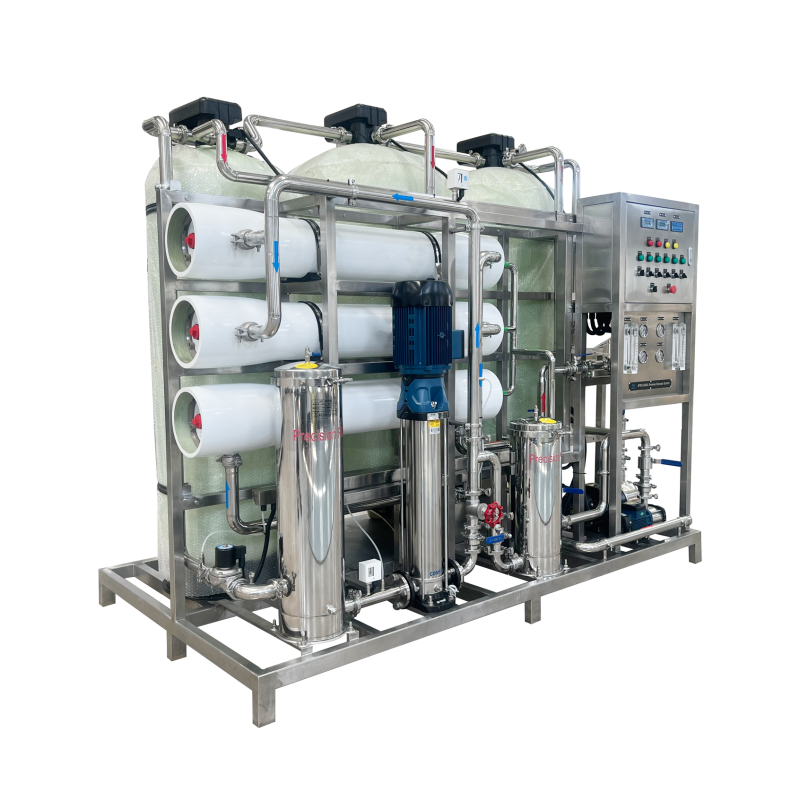
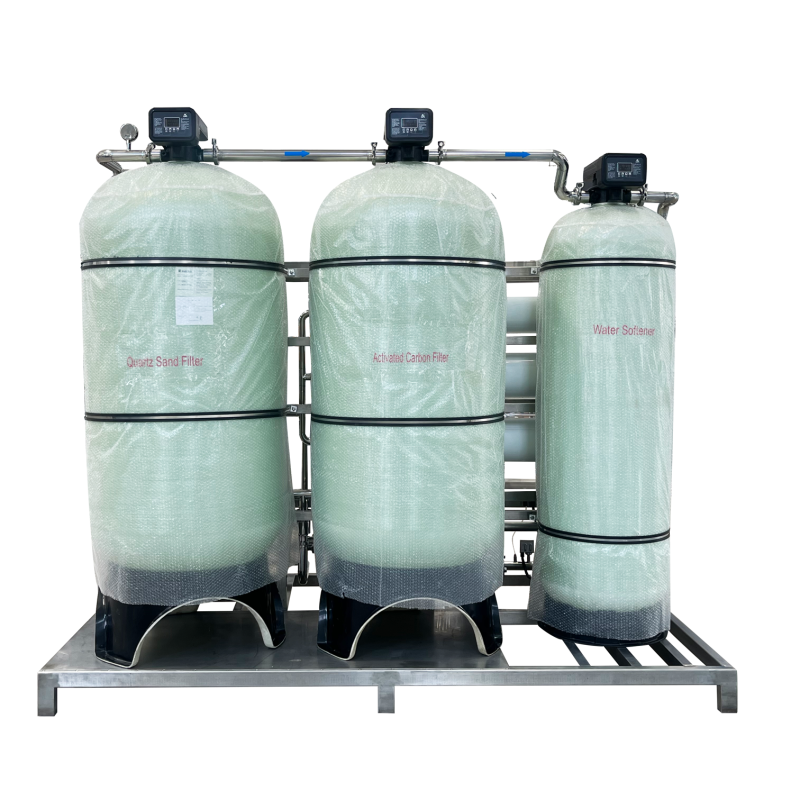
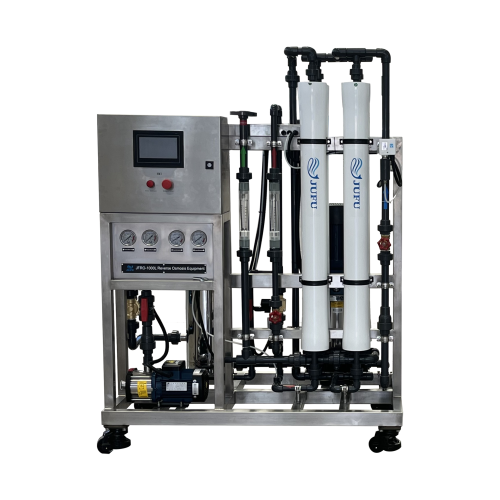
3000LPH Industrial Reverse Osmosis Plant
1. Model: JFRO-3000L
2. ISO9001 & CE certified
3. Capacity: 3000liter/hour
4. Desalination rate: 99%
5. Recovery rate: 75%
6. Membrane size: 8040
7. Control type: Auto
8. Applicable industries: Hotels, Food & Beverage factory, Farms, Restaurant,Water shop
9. Pre-shipment testing: Provide
10. Installation guidance: Online Video meeting
11. Warranty: 12 months
12. Package: Wooden case
13. Export market: United States, Spain, Poland, Italy, Australia, Canada, Mexico, Philippines, Peru, Saudi Arabia, Jamaica, Columbia, Chile, Peru,Bolivia, Argentina,Indonesia,Malaysia,Vietnam, Nigeria, Tanzania, Kenya, Morocco,Kyrgyzstan, Russia
Product introduction of RO Water Treatment System
The reverse osmosis water purification system uses membrane separation technology to remove charged ions, inorganic substances, colloidal particles, bacteria and organic substances in water. One-time removal of more than 98% of ions, organic matter and 100% of microorganisms in raw water, as well as a variety of dissolved and suspended chemical substances and biological substances (mainly bacteria) in water, and to asbestos, a variety of chemical substances that produce taste, color and odor, Particulate, total dissolved solids, turbidity and radium are also effective for industrial processes and drinking water production.
Pure Water Source, Endless Flow
Our prideful model, the reverse osmosis system that produces 3000 liters of water per hour, ensures high-quality pure water through advanced technology and precise craftsmanship.
Advanced Technology, Guaranteed Quality
Utilizing the latest reverse osmosis technology, the system efficiently filters out impurities and harmful substances from the water, ensuring pure and reliable water quality.
Continuous Supply, Meeting Demand
With a high capacity of 3000 liters of water per hour, it provides a continuous and stable supply of pure water for households and commercial establishments, meeting various needs.
Intelligent Operation, Convenient Management
The intelligent control system simplifies the operation process, allowing you to easily manage and maintain the entire system, ensuring stable and efficient operation.
Environmentally Friendly, Sustainable Development
Committed to environmental protection, the system’s design and processes maximize energy utilization while minimizing environmental impact, contributing to sustainable development.
Choose Quality, Choose Purity
The reverse osmosis system, producing 3000 liters of water per hour, provides you with an efficient and reliable source of pure water, helping you build a healthier and more sustainable lifestyle and development.
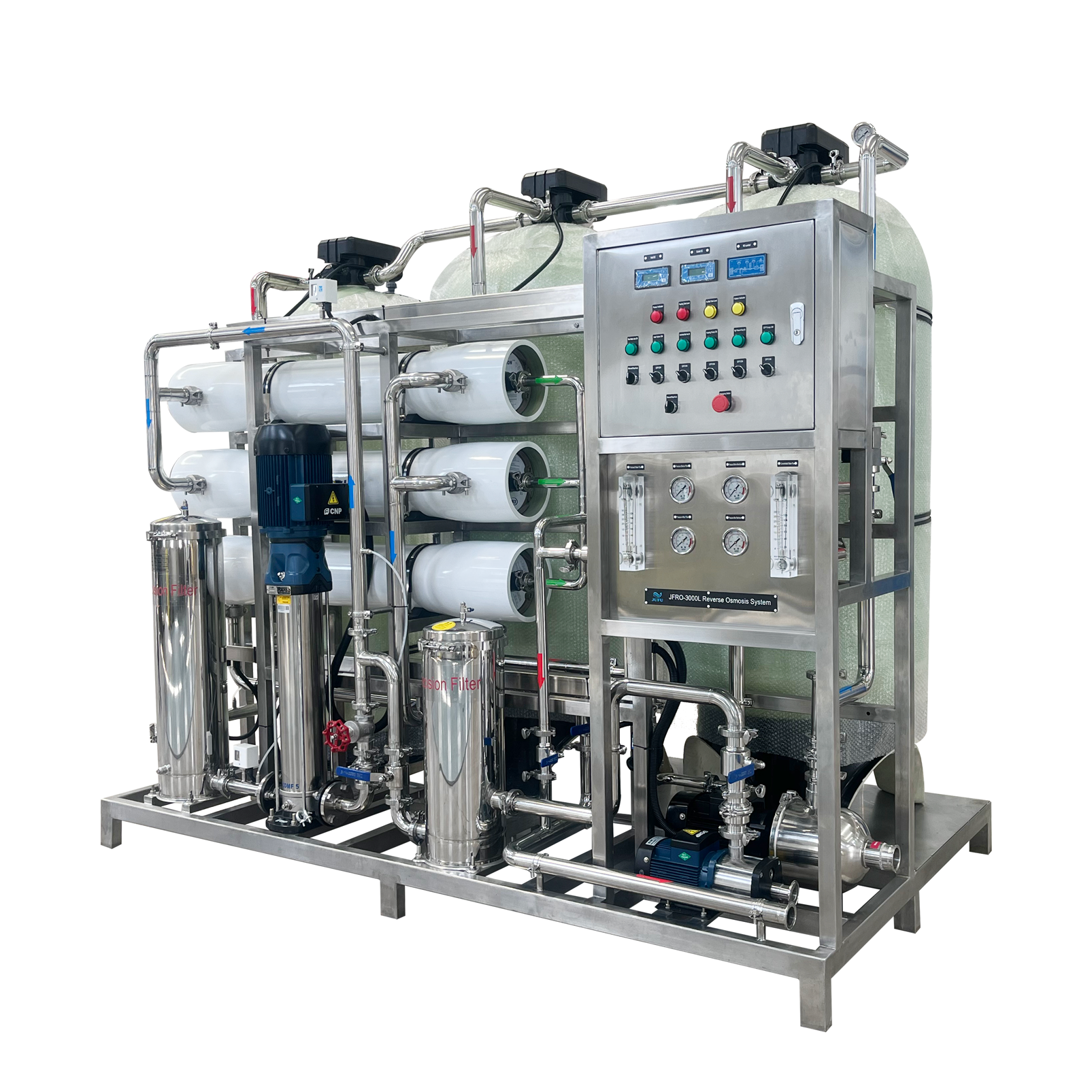
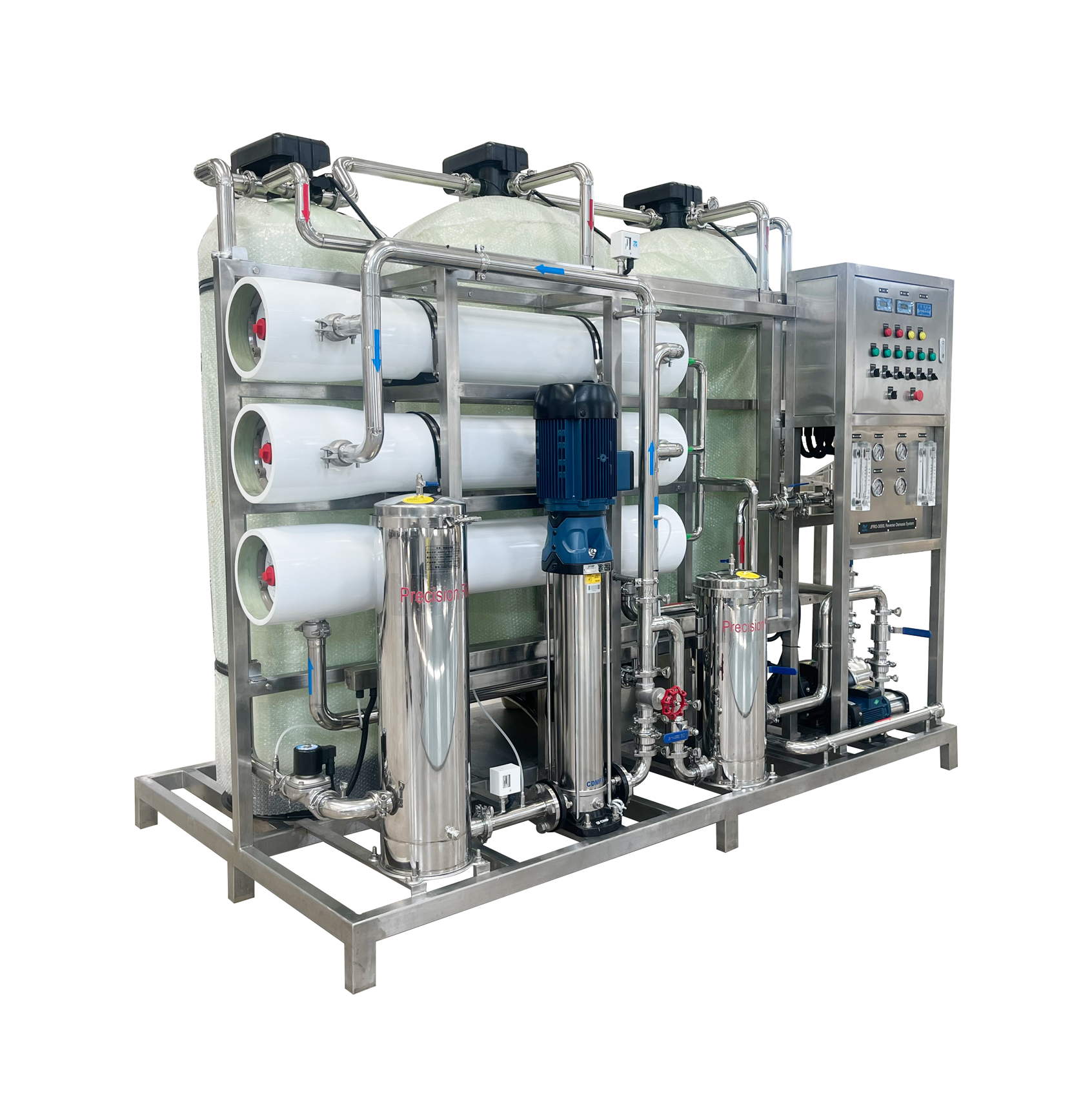
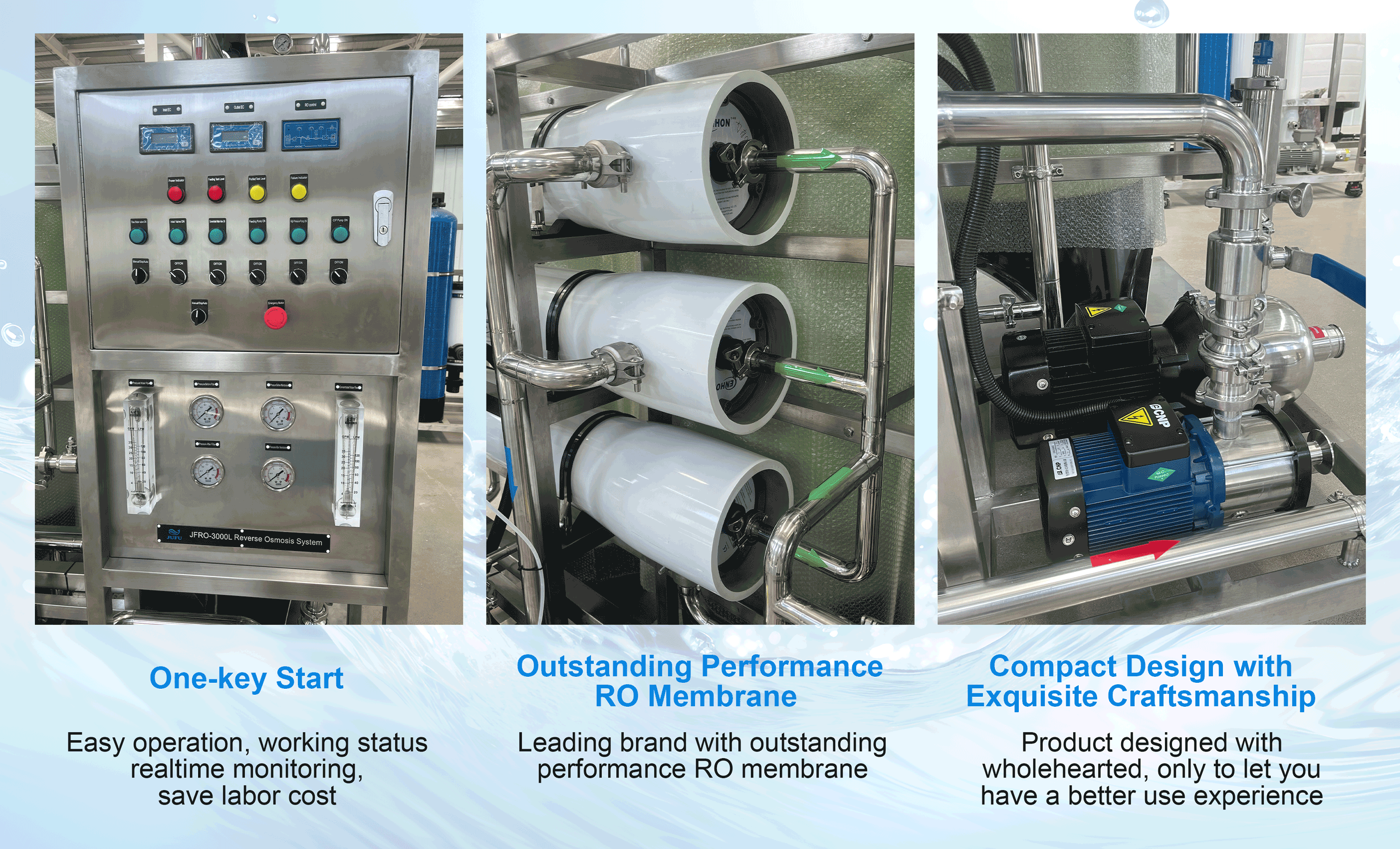
The details of 3000LPH reverse osmosis system
How does reserve osmosis work?
Reverse osmosis is a water filtration solution system that removes impurities from a raw water source. It forces pressured water through a membrane, capturing a concentrate of the impurities that were in the raw water. Leaving you with pure water to use in production.
Reverse osmosis can reject 99.9% of bacteria, making it highly effective for commercial use.
Membrane-based solutions such as RO are becoming increasingly popular due to the many benefits, these include:
–Environmental
–Cost savings
–Health and safety
–Maintenance
Work flow chart
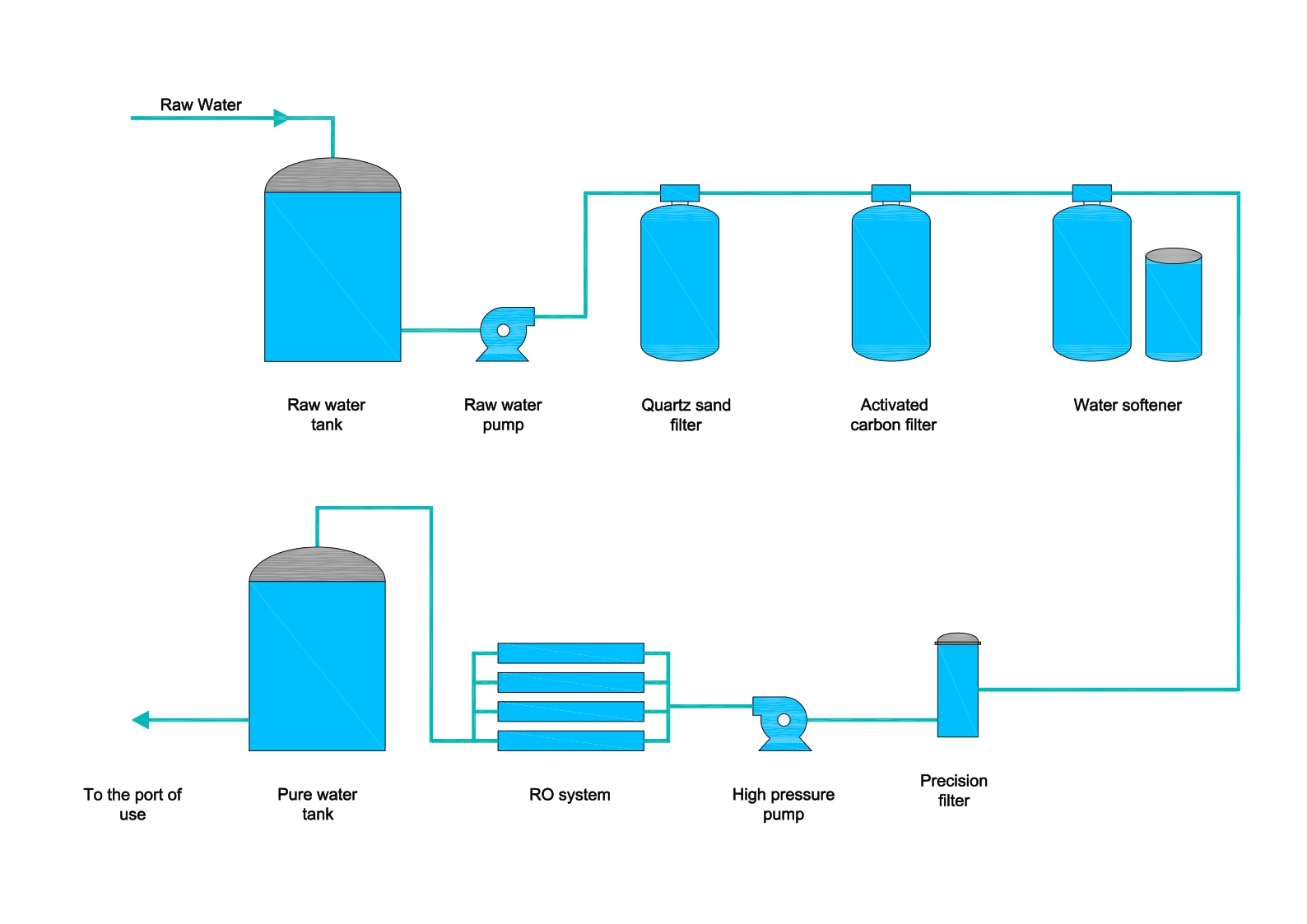
Specification of 3000LPH reverse osmosis system
| Model | JFRO-3000L | ||
| Producing Capacity | 3000L/H | RO membrane | 8” |
| Recovery Rate | ≥75% | Power Supply | Single-phase: 110/120/220V 50/60Hz |
| Operating Pressure | 0.5-1.0MPa | Tri-phase: 110/220/380/415V 50/60Hz | |
| Desalination Rate | 99% | Power Consumption | 5kW |
| Filtration Accuracy | 0.0001 micron | Control Type | Manual control / Auto control |
| Feed Water Quality | SDI<5 Free Chlorine Concentration<0.1mg/L TDS<2000mg/L | ||
| Features | Removes impurities such as inorganic ions, bacteria, viruses, organic matter and colloids from raw water. | ||
Why RO Plants Need Pretreatment?
Some of the problems faced by an RO plant in the absence of pretreatment are:
–Scaling: When the concentration of inorganic matter in the water increases, it starts precipitating on the RO membrane. It lowers the permeate flows, causes the pressure to drop, and lowers salt rejection. As a result, the RO operation suffers and the quality of the water falls.
–Shortening of the membrane life.
–Higher operating costs.
–Poor water quality.
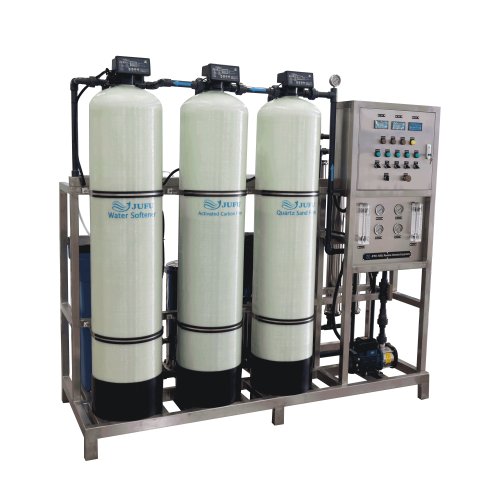
In most cases, JUFU water will offer a complete installation with pretreatment tools and equipment. This can include filtration devices, softeners, antiscalants, and activated carbon. Quite simple and inexpensive, these devices can significantly increase the plant’s life.
How to Select the Proper Pretreatment for Your RO System?
–Media Filtration
Media filtration is simplicity and cost-effectiveness. Like any other design, this will depend on the raw water quality and the capacity of the plant.
For example, SDI is reflective of the amount of suspended solids in the water. With a high value, multimedia filtration (MMF) is used. When there is excess chlorine in the water due to residual from the chlorination upstream, activated carbon filtration (ACF) is used.
–Softening by Ion Exchange
Softening by ion exchange helps remove scaling compounds like calcium carbonate and calcium sulfate. Other scaling compounds are calcium, barium, and strontium salts.
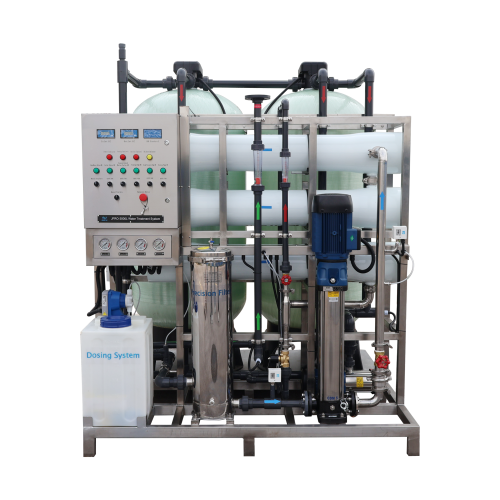
–Antiscalant Dosing
As an alternative to water softening, antiscalant may be dosed. However, it is not recommended when there is too much calcium carbonate to be addressed. In that case, softening is the better alternative.
–Microfiltration/Ultrafiltration
Both microfiltration (MF) and Ultrafiltration are used to remove microorganisms like algae, which are usually difficult to remove.
–Cartridge Filtration
Using cartridge filters is a good method of checking for any suspended solids or foulants that could be present right before the water enters the RO unit.
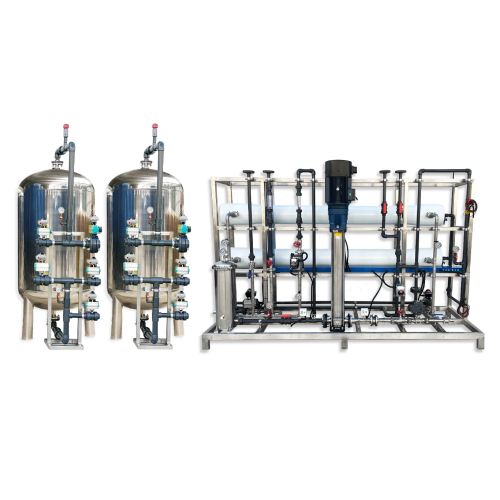
Stainless Steel Membrane Housing V.S. FRP Membrane Housing
Application Environment: Stainless steel membrane housings are usually used in environments requiring high strength, corrosion resistance, and high temperatures. FRP membrane housings are used in environments where corrosion resistance requirements are less stringent.
Material Characteristics: Stainless steel has excellent corrosion resistance, high-temperature resistance. FRP has the advantages of light weight, corrosion resistance, and good insulation.
Cost Considerations: In different situations, the cost of stainless steel and FRP membrane housings will be affected.
Maintenance and Cleaning: Stainless steel membrane housings are relatively easy to clean and maintain.
Installation and Transportation: FRP membrane housings are typically lighter, more convenient and cost-effective for installation and transportation.
Considering these factors, the choice can be made based on specific application requirements. Or contact us, our engineers will provide high-quality and cost-effective specific solutions.
Advantages of Reverse Osmosis System
1.Cost Savings.
Implementing an industrial reverse osmosis system can result in significant cost savings for manufacturing plants by reducing water usage and waste disposal costs.
2.Water Quality.
Industrial reverse osmosis systems are highly effective at removing impurities and contaminants from water, resulting in high-quality water that meets strict industry standards.
3.Environmental Impact.
RO systems do not require any toxic chemicals for the permeate production method, making them one of the most environmentally friendly methods for treating industrial wastewater.
4.Increased Productivity.
Industrial reverse osmosis systems have increased productivity in many industrial processes due to the high-purity water they produce.
The long-term cost savings of using reverse osmosis systems for industrial water treatment can translate to increased business profitability.