sales@jufuwater.com +8618001362005
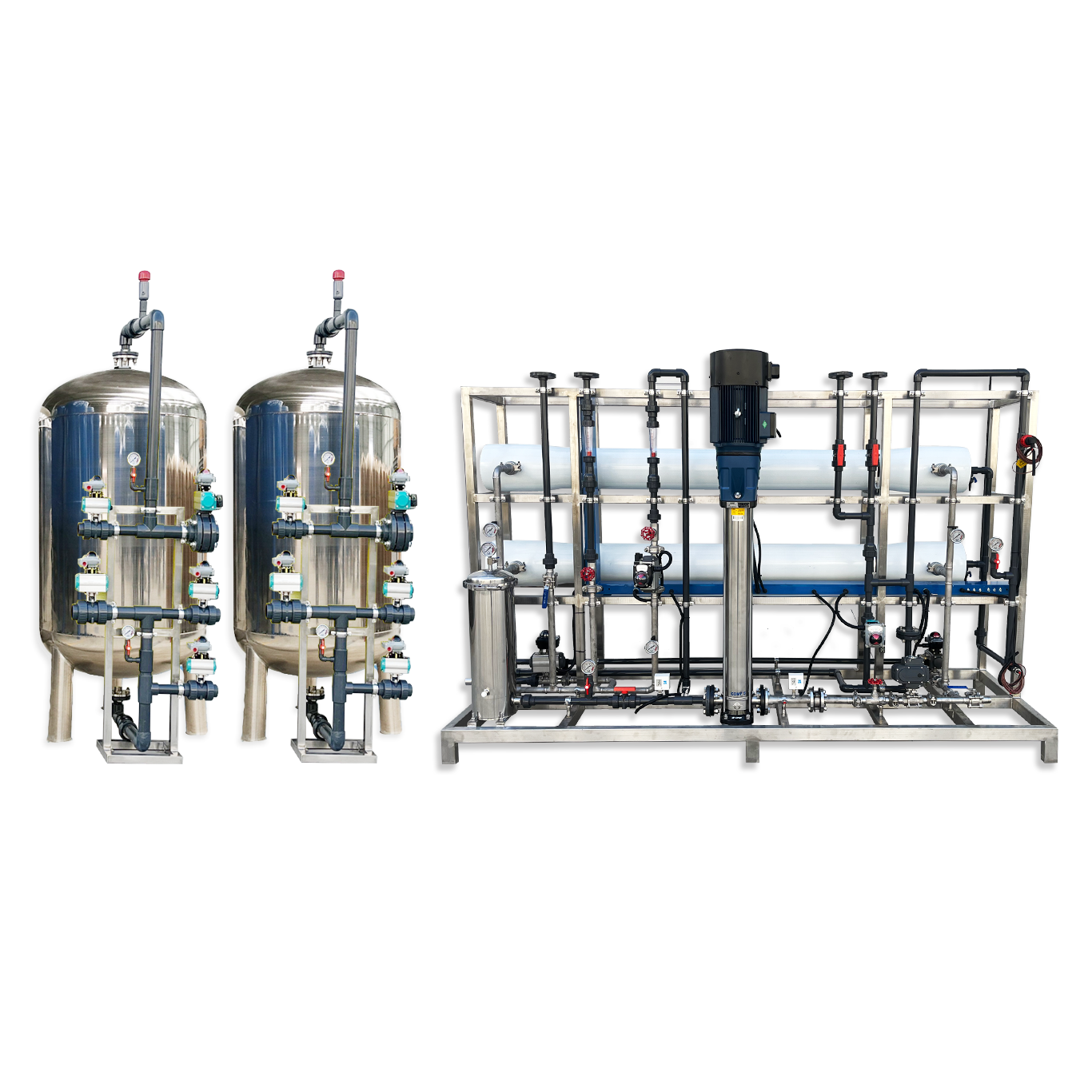
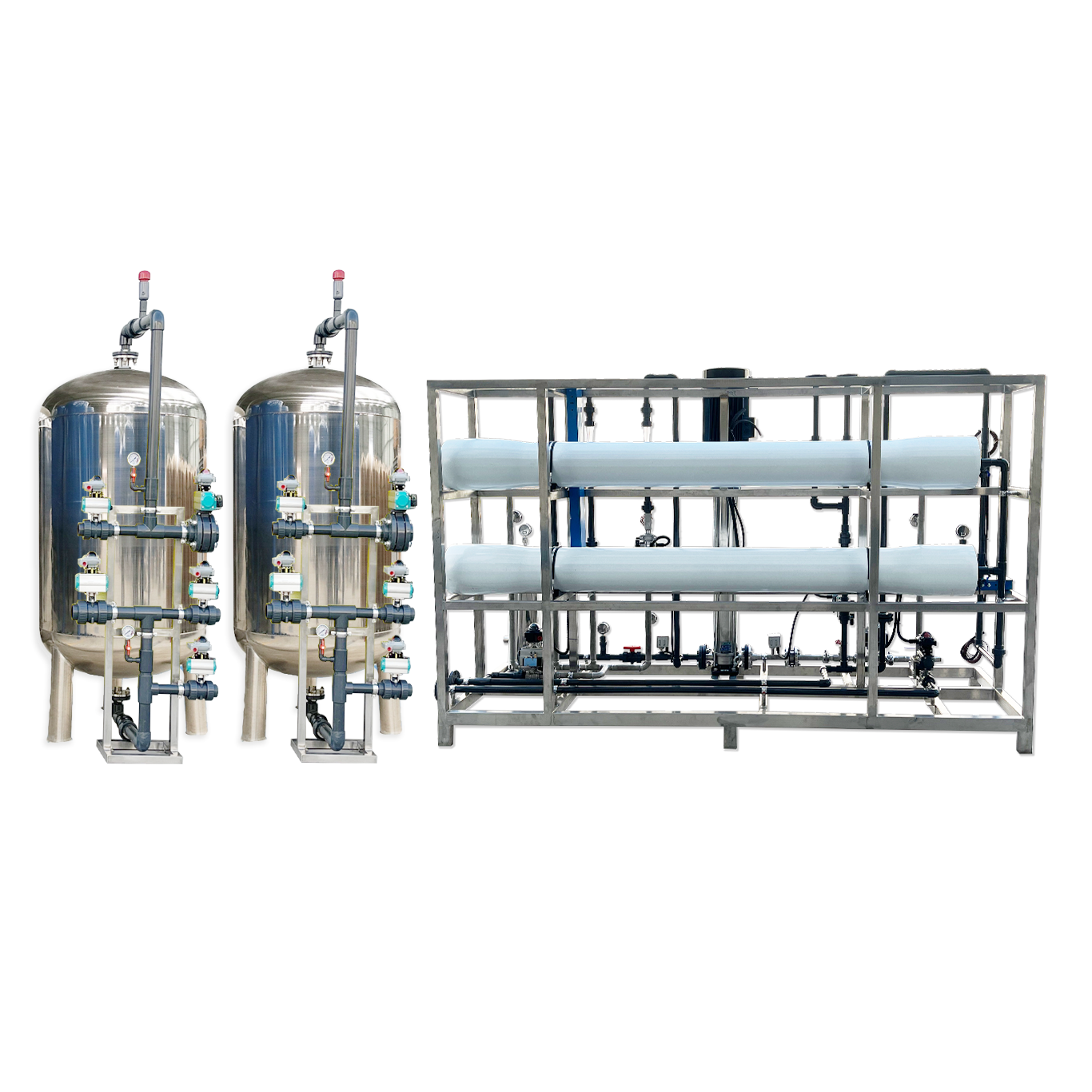
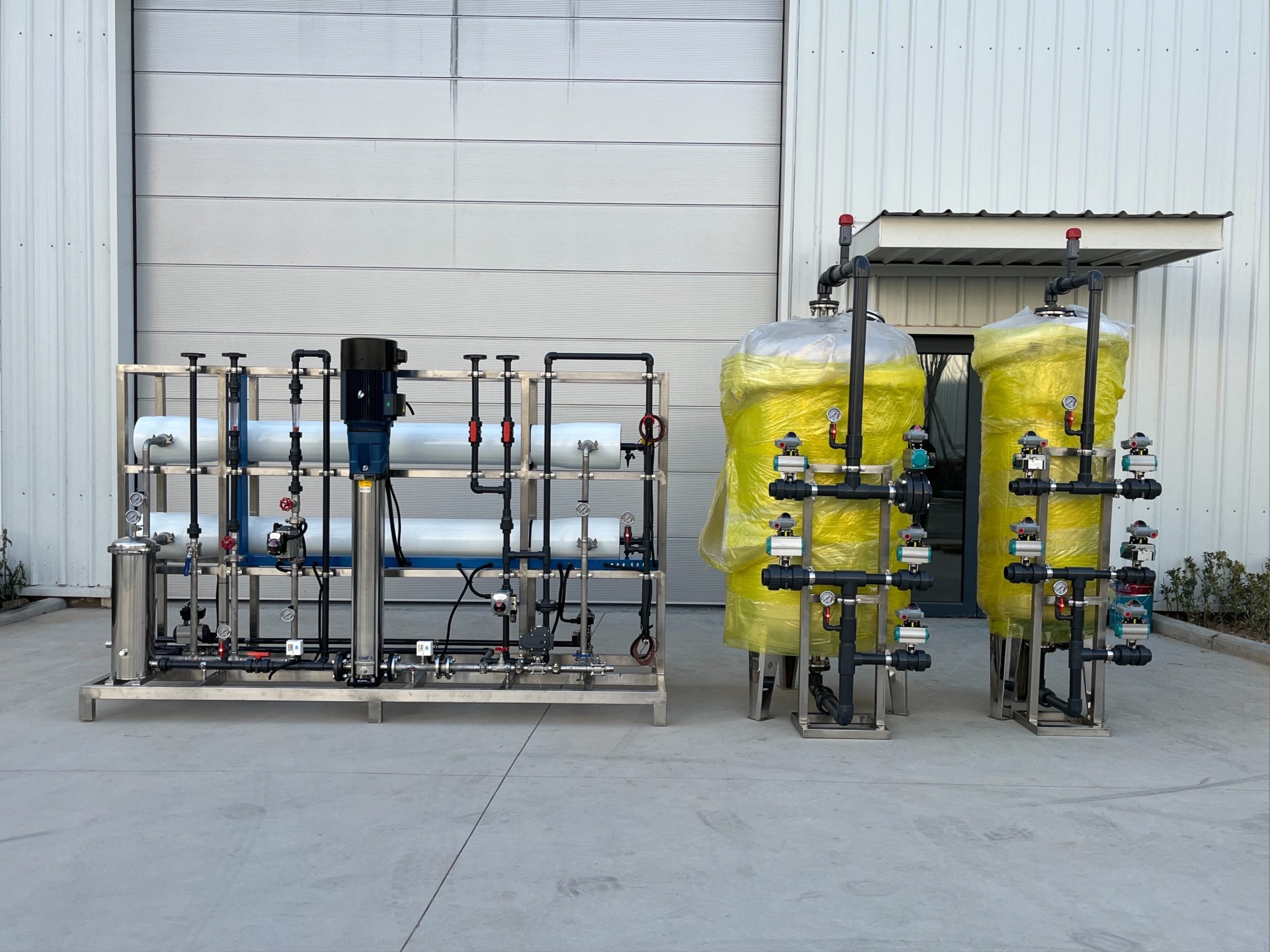
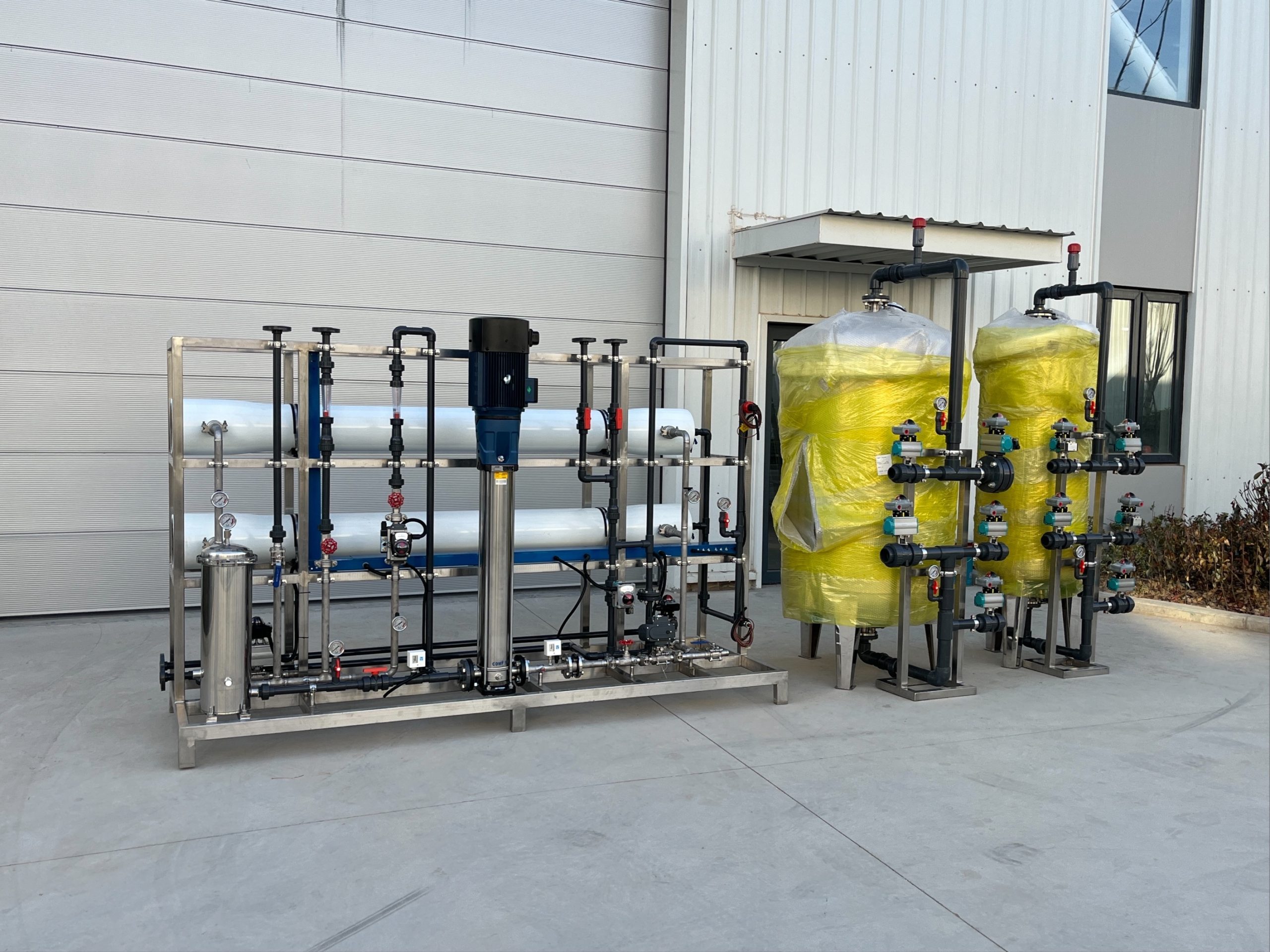
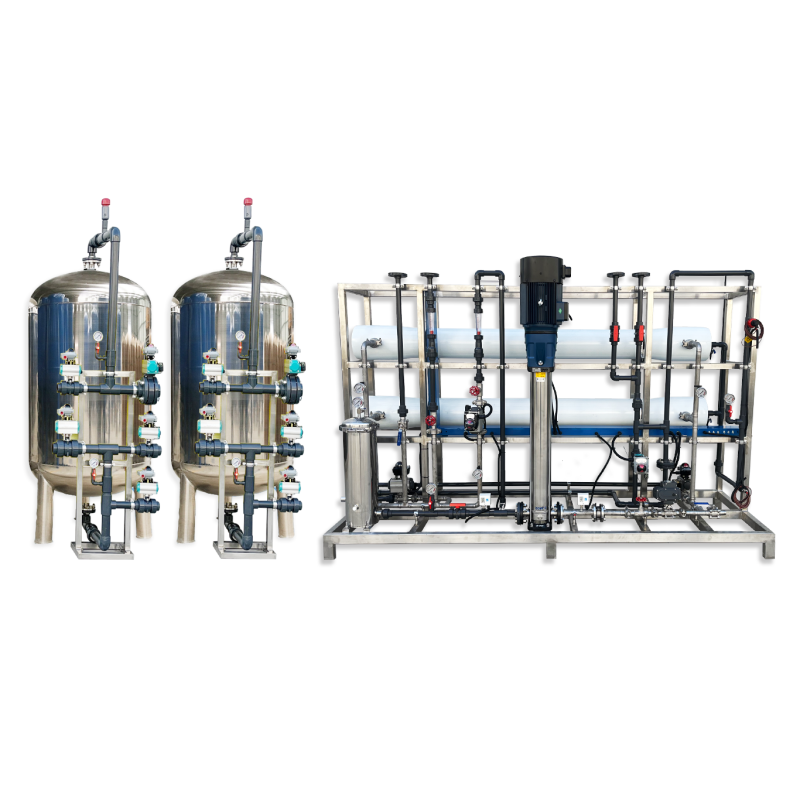
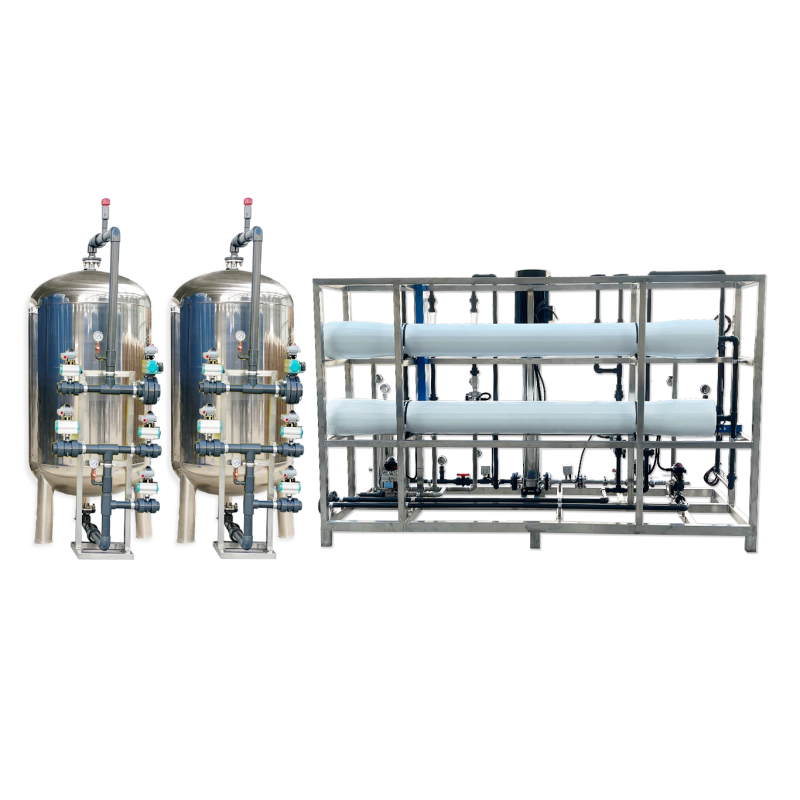
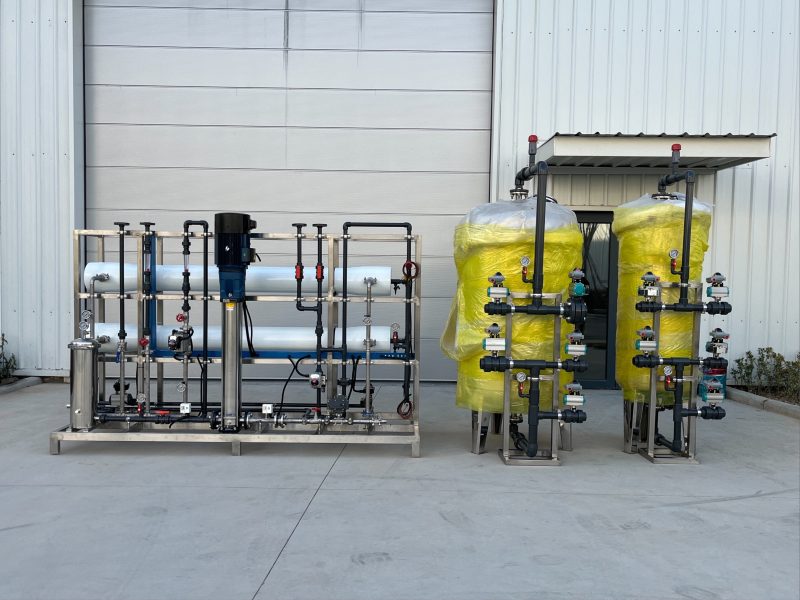
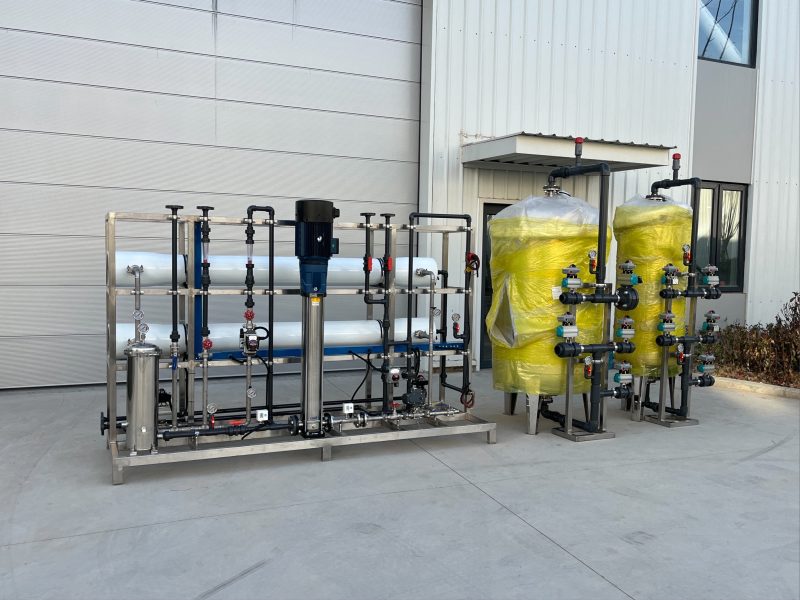
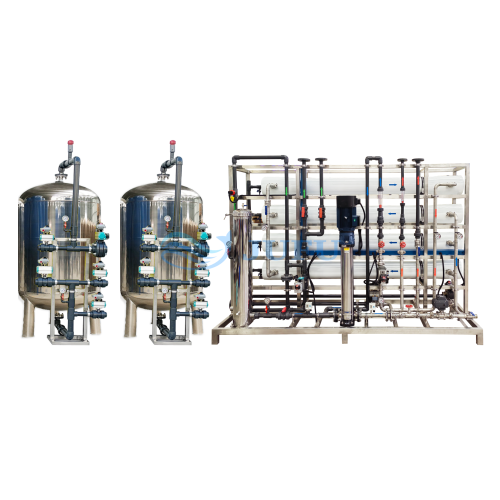
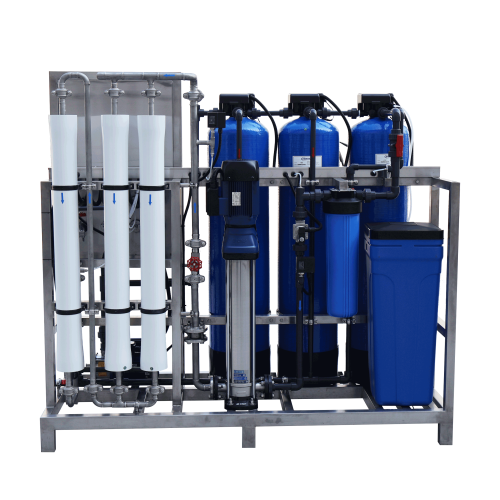
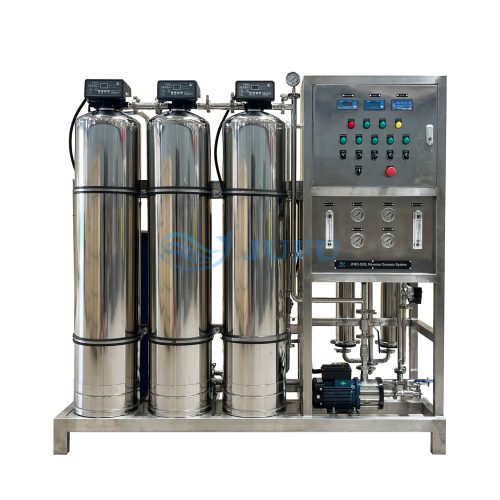
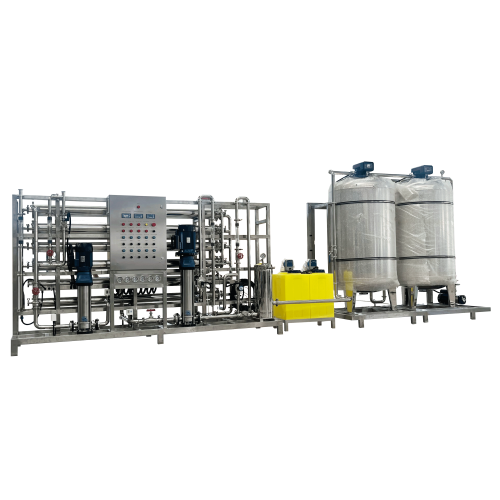
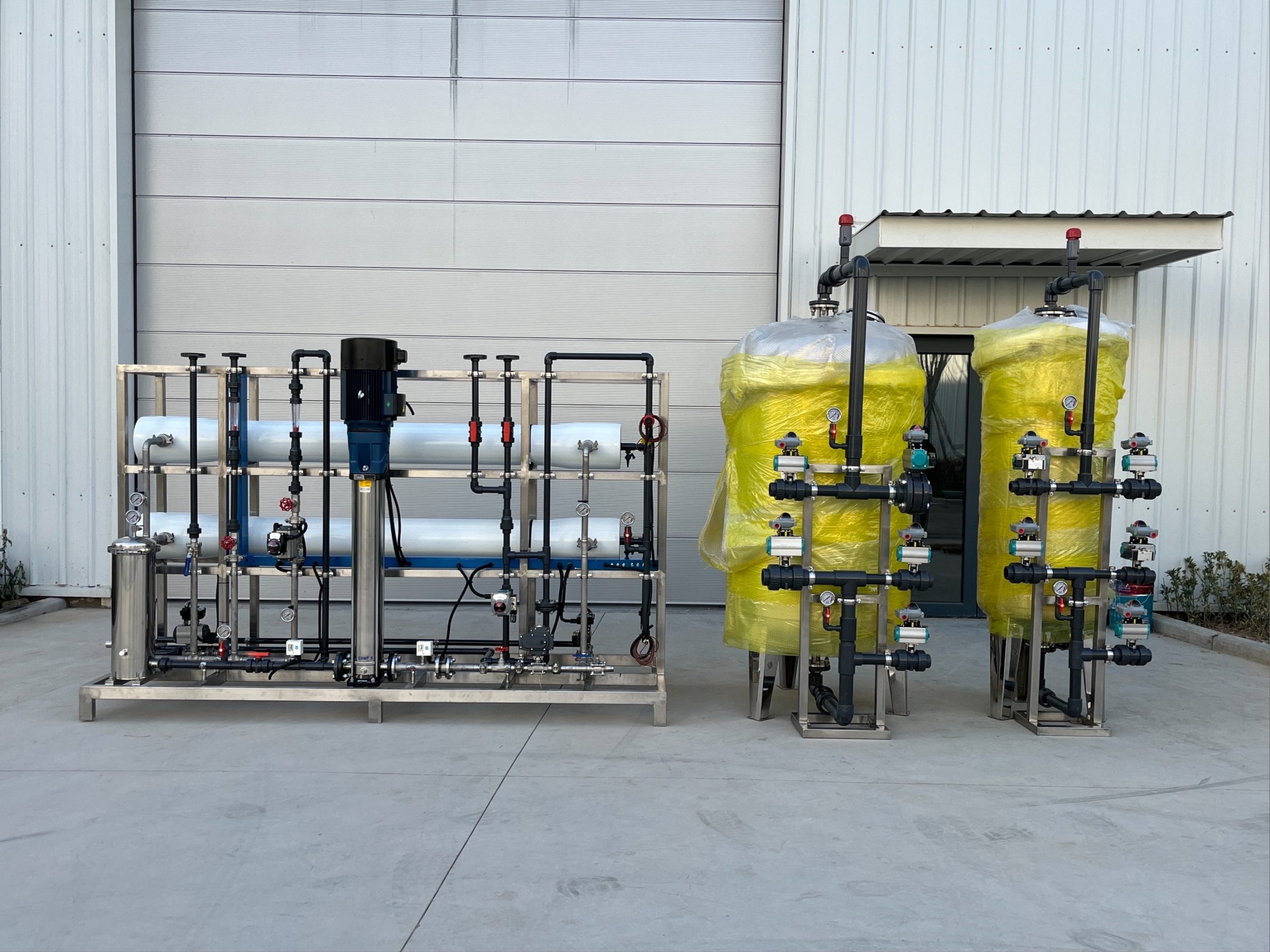
4000LPH Reverse Osmosis Water Treatment System RO Plant Manufacturer
1.Model: JFRO-4000L
2.ISO9001 & CE certified
3. Capacity: 4000liter/hour
4. Desalination rate: 99%
5. Recovery rate: 75%
6. Membrane size: 8040
7. Control type: Auto
8. Applicable industries: Hotels, Food & Beverage factory, Farms, Restaurant,Water shop
9. Pre-shipment testing: Provided
10. Installation guidance: Online Video meeting
11. Warranty: 12 months
12. Package: Wooden case
13. Export market: United States, Spain, Poland, Italy, Australia, Canada, Mexico, Philippines, Peru, Saudi Arabia, Jamaica, Columbia, Chile, Peru,Bolivia, Argentina,Indonesia,Malaysia,Vietnam, Nigeria, Tanzania, Kenya, Morocco,Kyrgyzstan, Russia
What will Reverse Osmosis remove from water?
RO can remove 95-99% of dissolved salts (ions), particles, colloids, organics, bacteria, and pyrogens from feed water. An RO membrane rejects contaminants based on their size and charge. Any contaminant with a molecular weight greater than 200 will likely be rejected by a properly running RO system.
RO is very effective in treating brackish, surface and ground water for both large and small flow applications.
How to Select the Proper Pretreatment for Your RO System?
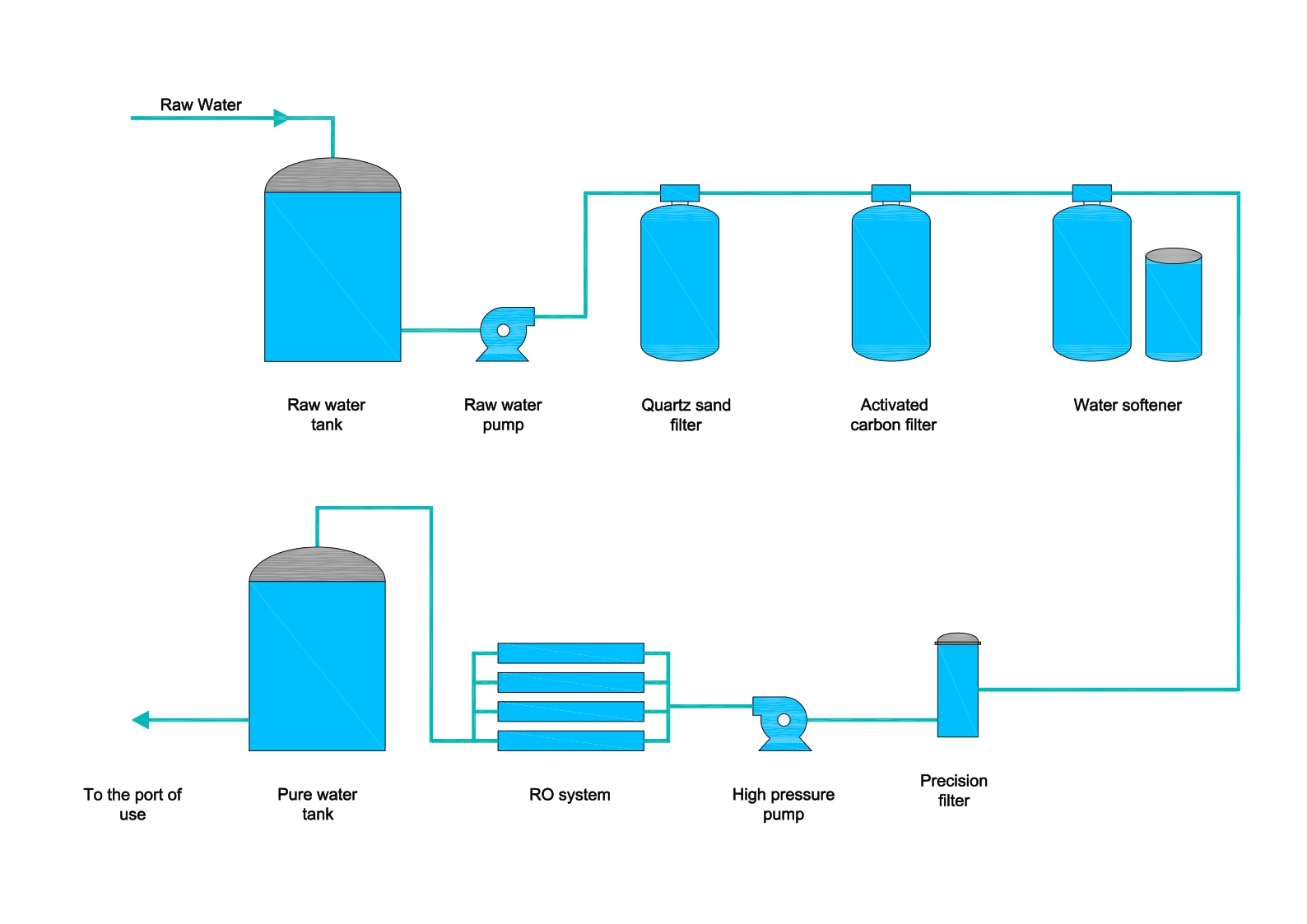
–Media Filtration
Media filtration is simplicity and cost-effectiveness. Like any other design, this will depend on the raw water quality and the capacity of the plant.
For example, SDI is reflective of the amount of suspended solids in the water. With a high value, multimedia filtration (MMF) is used. When there is excess chlorine in the water due to residual from the chlorination upstream, activated carbon filtration (ACF) is used.
–Softening by Ion Exchange
Softening by ion exchange helps remove scaling compounds like calcium carbonate and calcium sulfate. Other scaling compounds are calcium, barium, and strontium salts.
–Antiscalant Dosing
As an alternative to water softening, antiscalant may be dosed. However, it is not recommended when there is too much calcium carbonate to be addressed. In that case, softening is the better alternative.
–Microfiltration/Ultrafiltration
Both microfiltration (MF) and Ultrafiltration are used to remove microorganisms like algae, which are usually difficult to remove.
–Cartridge Filtration
Using cartridge filters is a good method of checking for any suspended solids or foulants that could be present right before the water enters the RO unit.
Work flow chart
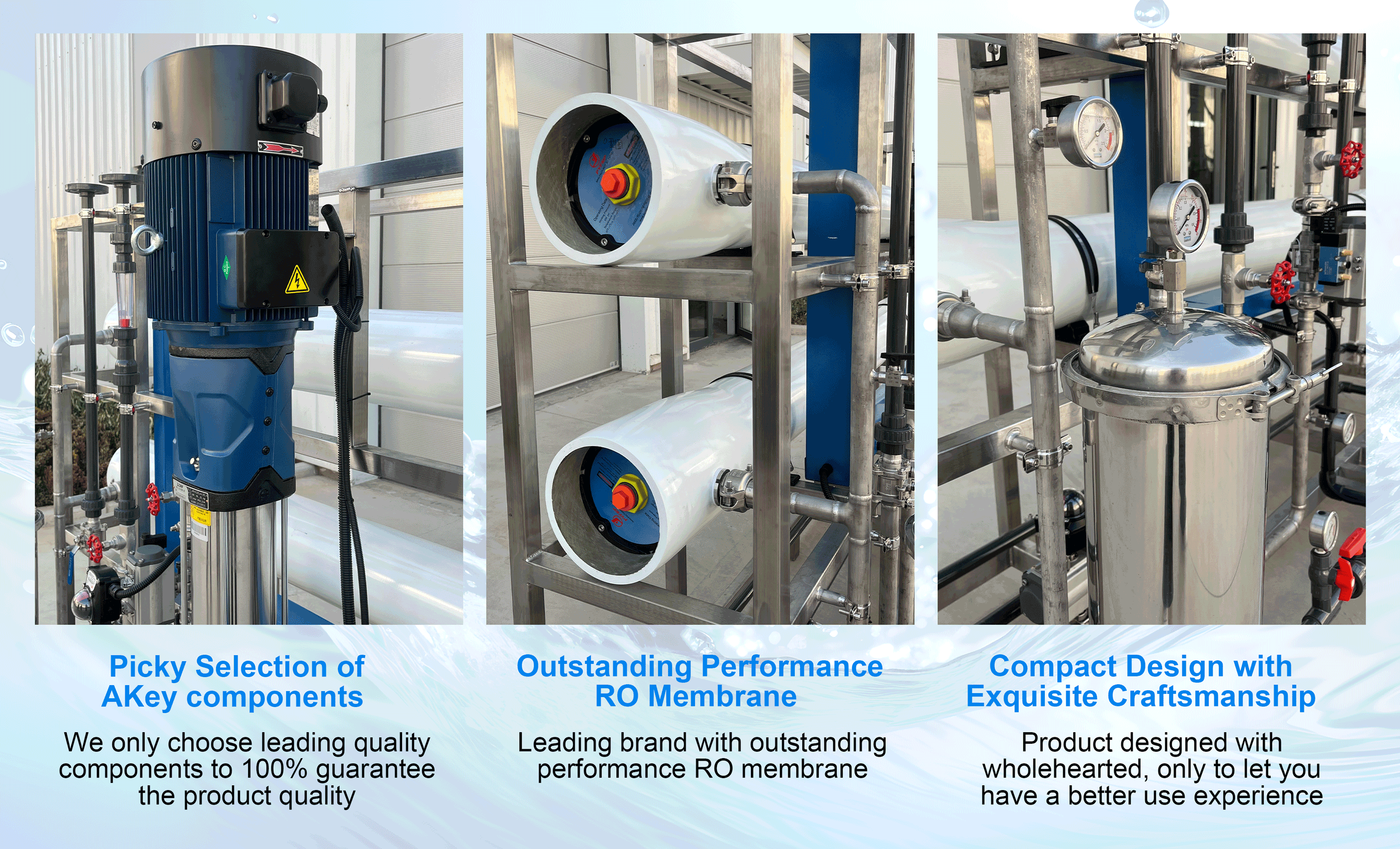
The details of 4000LPH reverse osmosis system
Specification of 4000LPH reverse osmosis system
| Model | JFRO-4000L | ||
| Producing Capacity | 4000L/H | RO membrane | 8” |
| Recovery Rate | ≥75% | Power Supply | Single-phase: 110/120/220V 50/60Hz |
| Operating Pressure | 0.5-1.0MPa | Tri-phase: 110/220/380/415V 50/60Hz | |
| Desalination Rate | 99% | Power Consumption | 6kW |
| Filtration Accuracy | 0.0001 micron | Control Type | Manual control / Auto control |
| Feed Water Quality | SDI<5 Free Chlorine Concentration<0.1mg/L TDS<2000mg/L | ||
| Features | Removes impurities such as inorganic ions, bacteria, viruses, organic matter and colloids from raw water. | ||
The important costs for an industrial water filtration system
-Flow rates — gallons per minute (GPM) and/orgallons per day (GPD)
-Water quality
-Required standard for purification
-Different materials
-PLC components
-Touch Panel for example Siemens
-CIP system
-Space for the system
-Operation and maintenance costs
-Automation or manual control
-Installation
-Shipment
What are different capacities of RO plants offered?
From compact point to massive municipal-scale plants, Jufu Water has the solution, no matter how large or small your purified water requirements may be.
Here’s a closer look at their lineup of RO plant sizes:
–Light Commercial RO (2,000 – 10,000 GPD)
–Industrial RO Plants (10,000 – 100,000 GPD)
–High Capacity RO (100,000 – 1,000,000 GPD)
–Mega-Scale Municipal Plants (1,000,000 – 10,000,000+ GPD)
Regardless of required capacity, Jufu Water’s engineering team designs and builds fully optimized RO systems with premium membrane elements, energy-efficient pumping, and intuitive controls/automation. Each plant is custom-tailored, factoring in feed water characteristics, footprint constraints, redundancy needs, and project-specific requirements.
What Industries Benefit from the Utilization of Commercial RO systems?
- Breweries and Distillers
- Food processing.
- Pharmaceutical manufacturing.
- Hospitals and Health care facilities.
- Hotel and Hospitality Industry.
- Aquariums and Zoos.
- Greenhouse and Agriculture.
- Automotive industry.
Jufu Water offers over 20 years of experience across all wide range of industries
Jufu Water specializes in the field of reverse osmosis water filter systems, with over 15years of filtration experience across different industries. With a focus on innovation and advanced technology, we consistently work towards providing the best water filtration solutions to our clients. Our systems are robust, reliable, and cost-effective, catering to the diverse needs of various industries, including petrochemical, chemical, food and beverage,pharmaceutical, and many others.
Our team of engineer experts combines their expertise with cutting-edge technology to design and manufacture custom RO water system that meet each client’s specific needs, Our focus on quality and performance means that each system undergoes stringent testing before delivery to ensure its efficiency and dependability.