sales@jufuwater.com +8618001362005
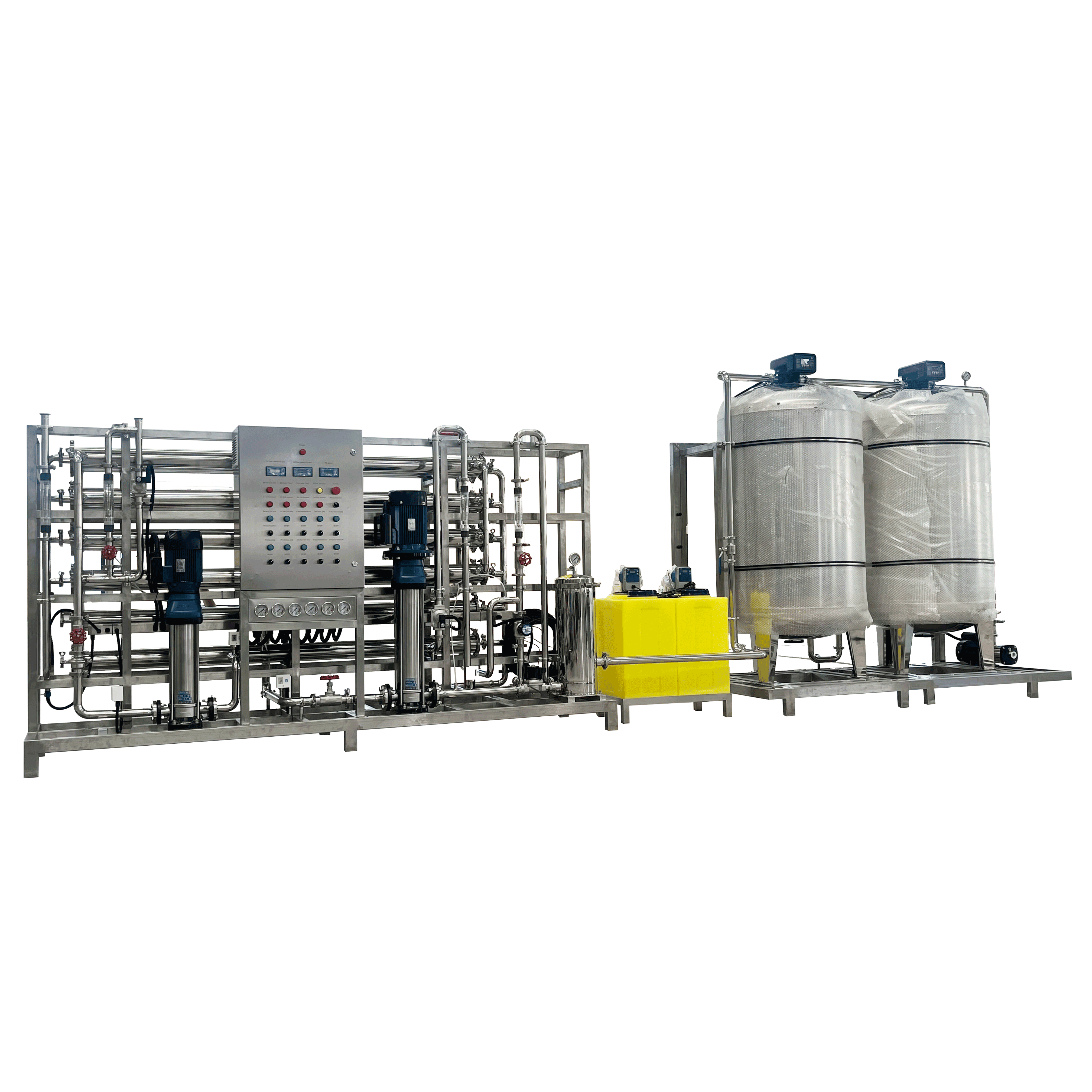
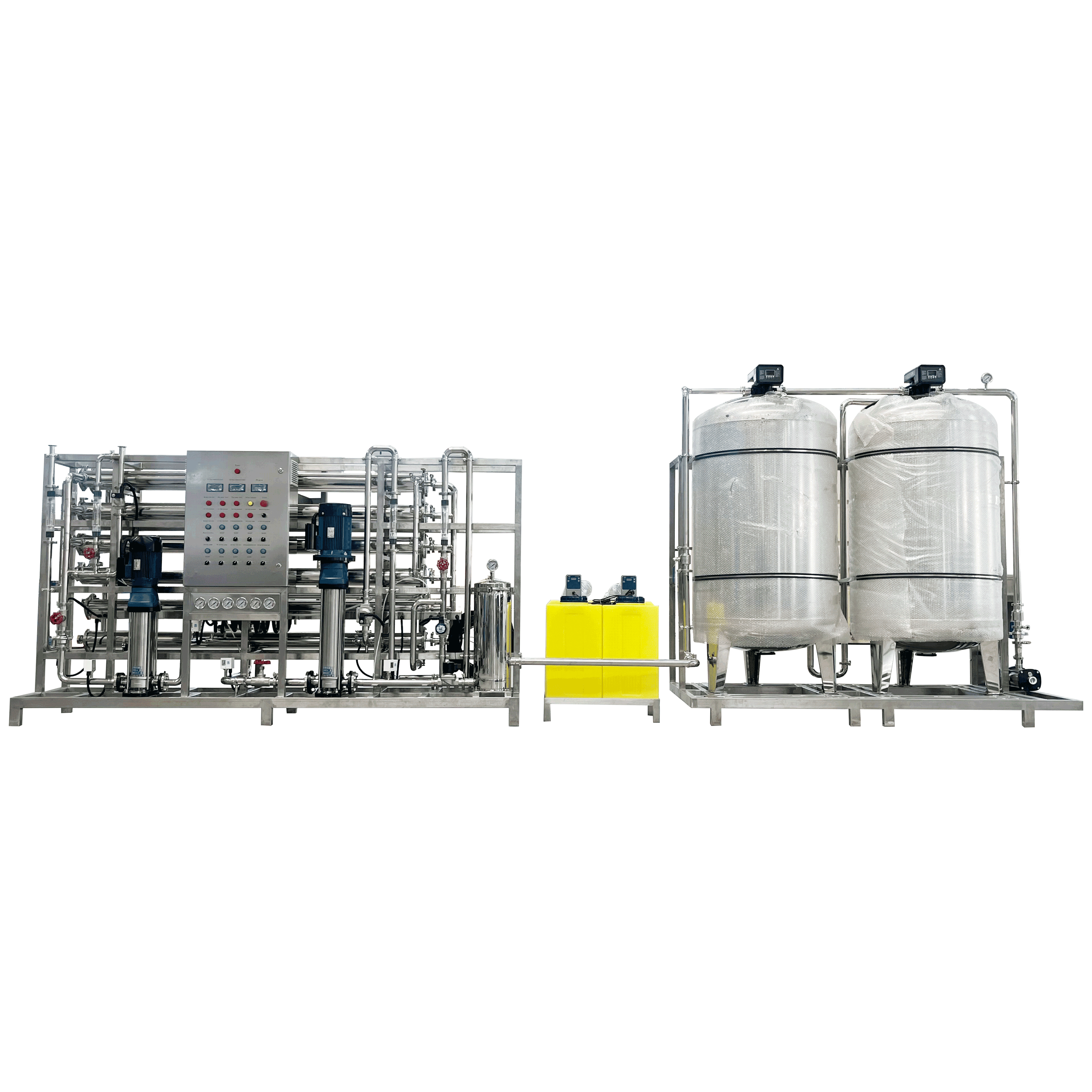
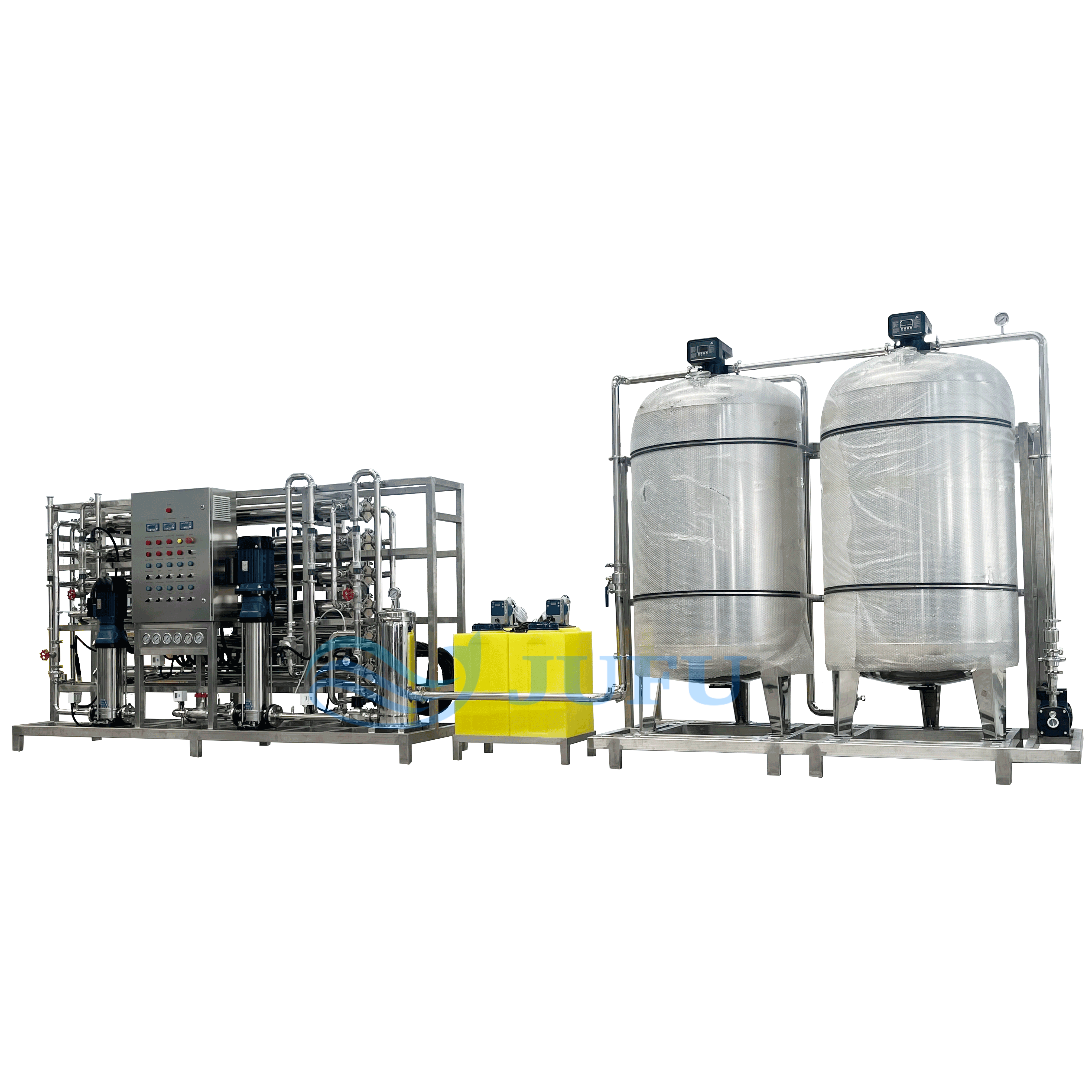
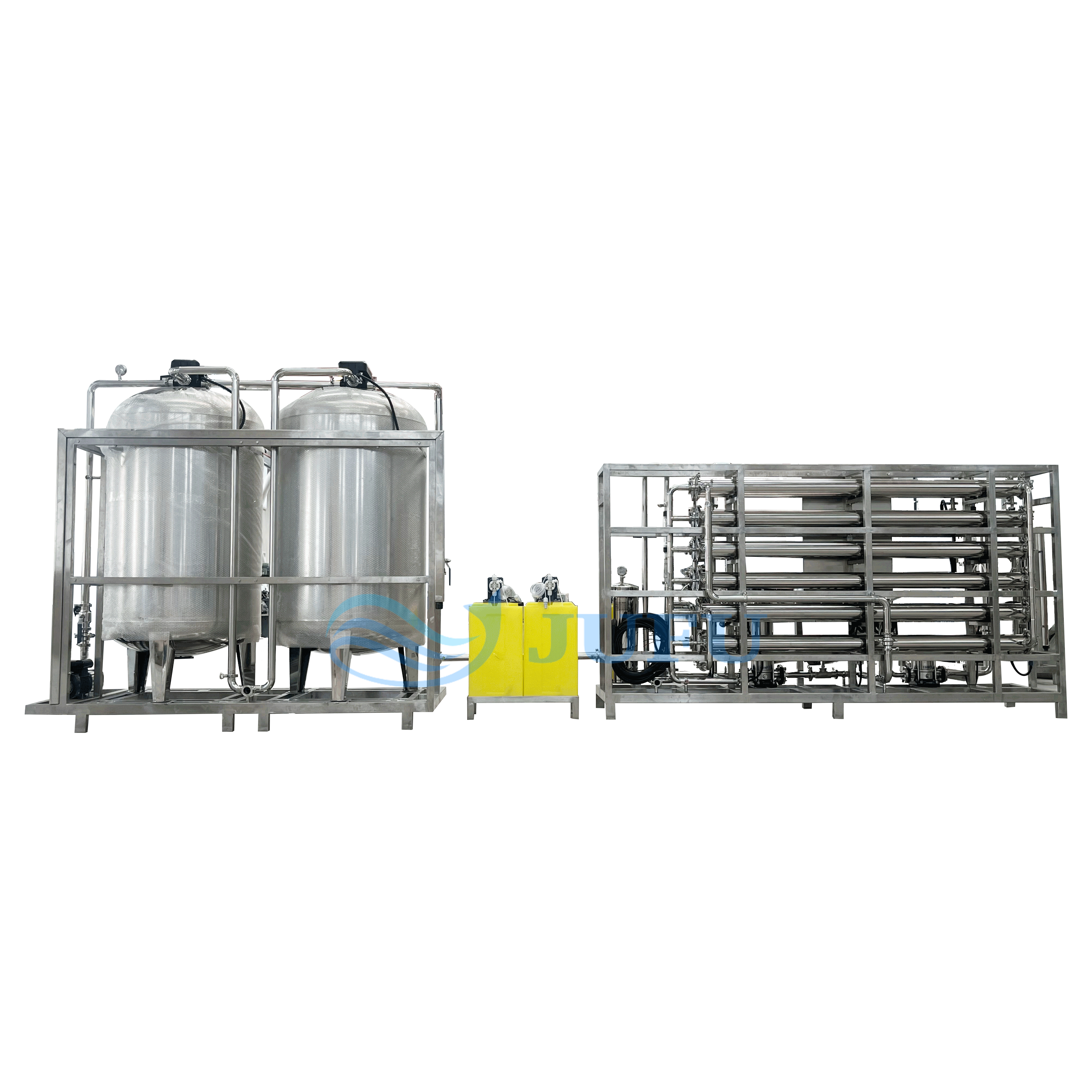
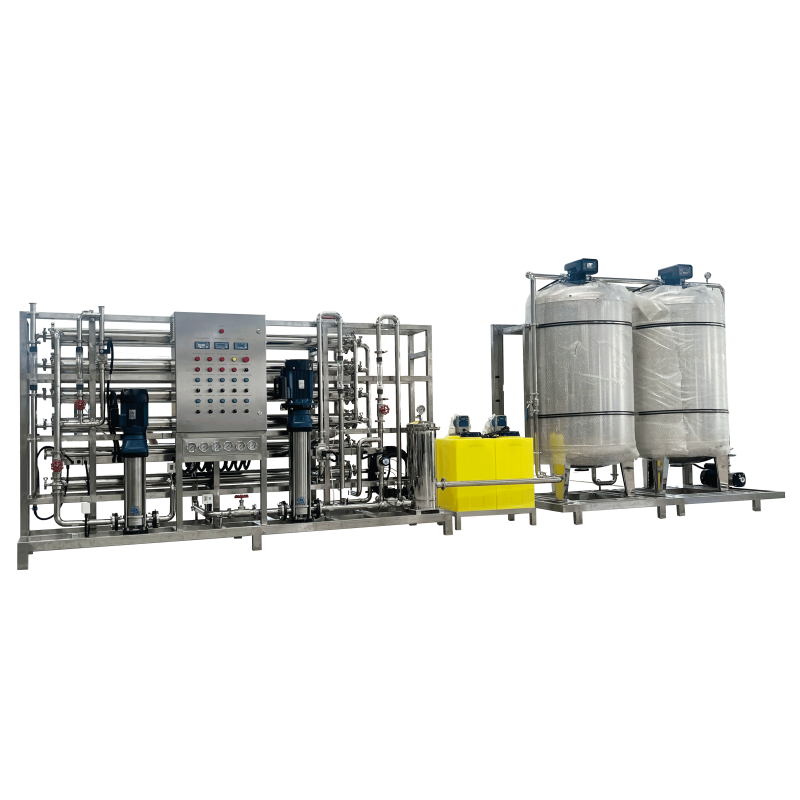
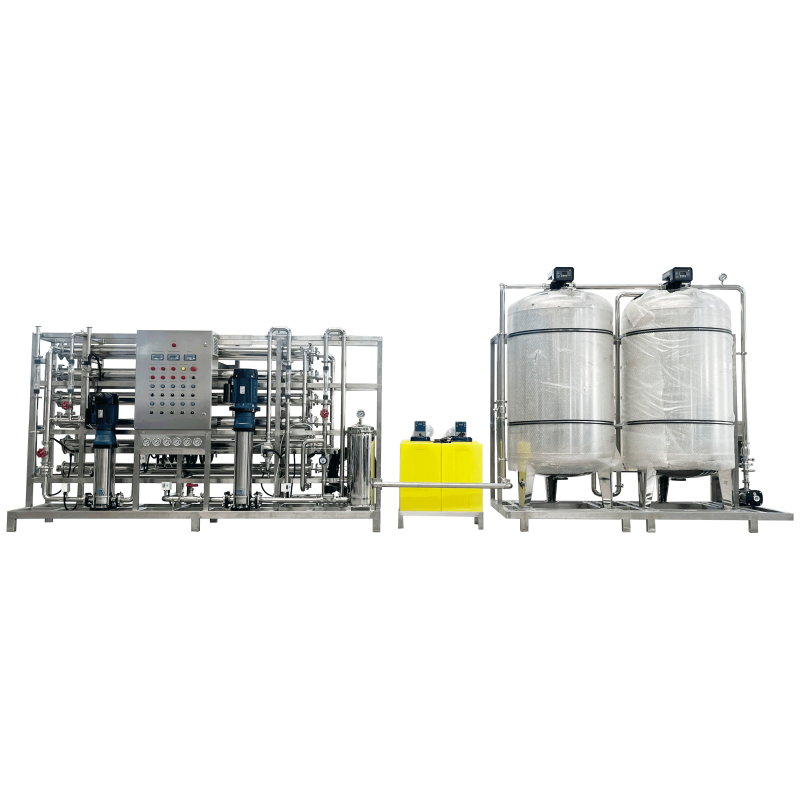
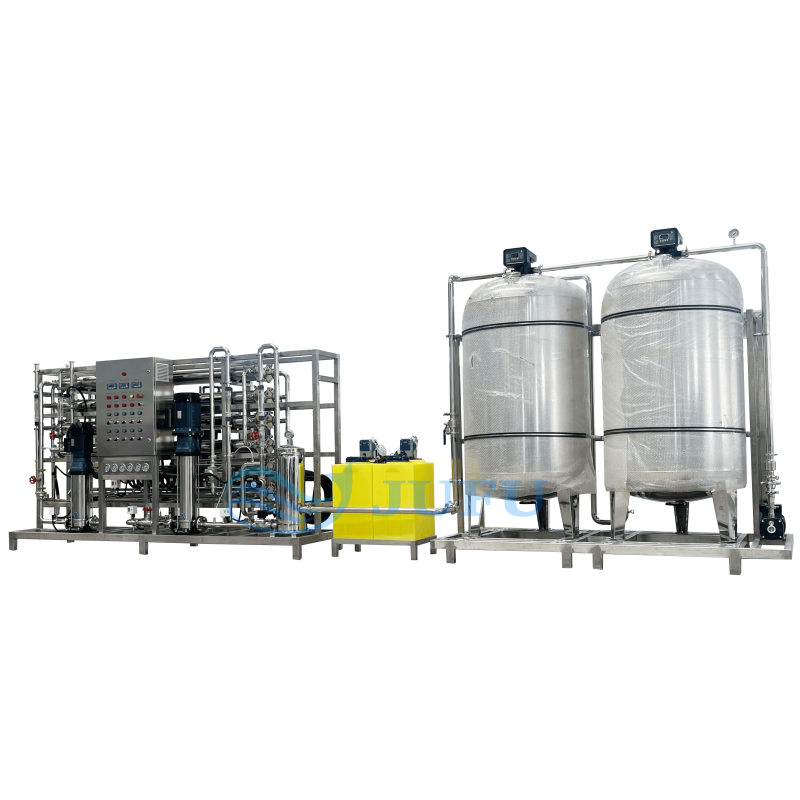
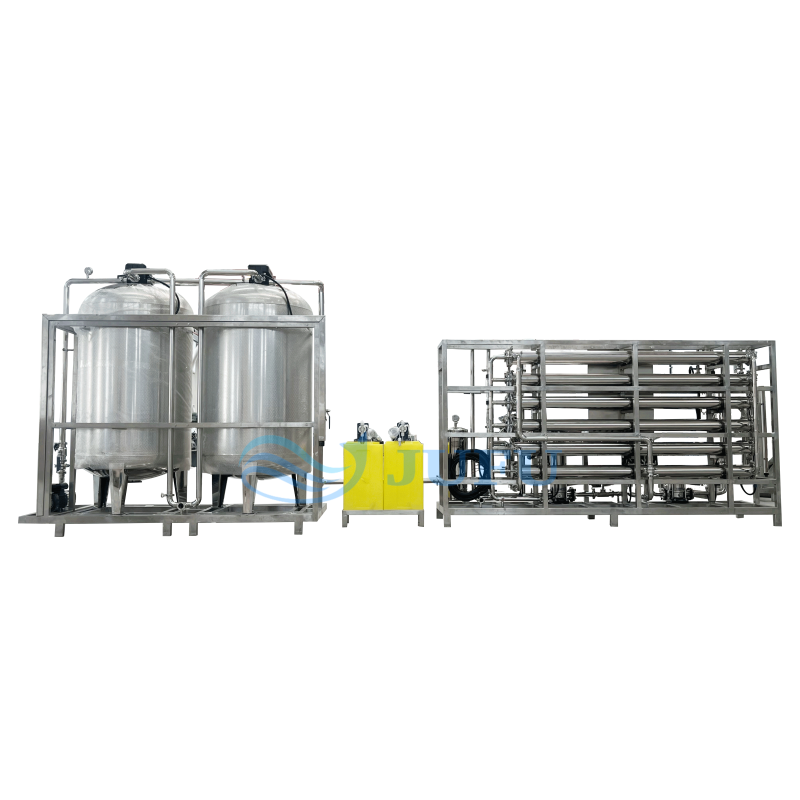
2000LPH Double Stage Reverse Osmosis Water Treatment System
1.Model: JFRO-2000L
2.ISO9001 & CE certified
3. Capacity: 2000liter/hour
4. Desalination rate: 99%
5. Recovery rate: 75%
6. Control type: Auto
7. Applicable industries: Pharmeutical industry,Food & Beverage Factory, Chemical industry, Electronics industry,Textile industry,Mechanical products industry
8. Pre-shipment testing: Provide
9. Installation guidance: Online Video meeting
10. Warranty: 12 months
11. Package: Wooden case
12. Export market: United States, Spain, Poland, Italy, Australia, Canada, Mexico, Philippines, Peru, Saudi Arabia, Jamaica, Columbia, Chile, Peru,Bolivia, Argentina,Indonesia,Malaysia,Vietnam, Nigeria, Tanzania, Kenya, Morocco,Kyrgyzstan, Russia
Process of Double Stage Reverse Osmosis System
A Double Stage Reverse Osmosis System is when the permeate water is fed into a second RO unit to produce more pure water. A two or double stage RO is when the concentrate or reject stream is fed into a second RO system to recover water, respectively.
A reverse osmosis system is designed to purify water by rejecting around 99% of total dissolved solids from the feed water. Single Pass RO Systems produce product water (permeate) and reject water (concentrate) at the same time.
How does double stage reverse osmosis work?
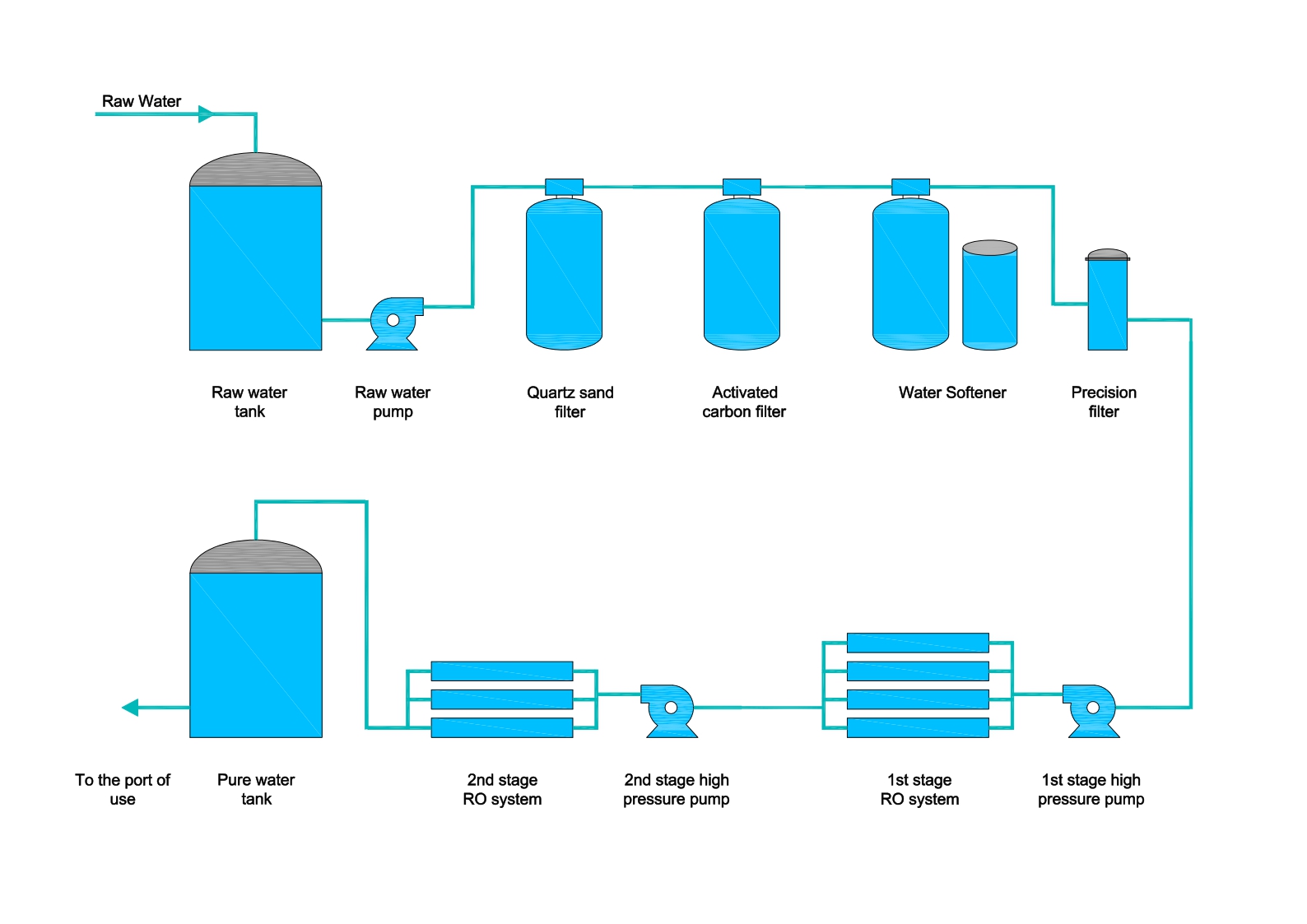
Specification of 500LPH reverse osmosis system
| Model | JFRO-2000L (Double stage) | ||
| Producing Capacity | 2000L/H | RO membrane | 4” |
| Recovery Rate | ≥75% | Power Supply | Single-phase: 110/120/220V 50/60Hz |
| Operating Pressure | 1.0-1.6MPa | Tri-phase: 110/220/380/415V 50/60Hz | |
| Desalination Rate | 99% | Power Consumption | 7kW |
| Filtration Accuracy | 0.0001 micron | Control Type | Manual control / Auto control |
| Feed Water Quality | SDI<5 Free Chlorine Concentration<0.1mg/L TDS<2000mg/L | ||
| Features | Removes impurities such as inorganic ions, bacteria, viruses, organic matter and colloids from raw water. | ||
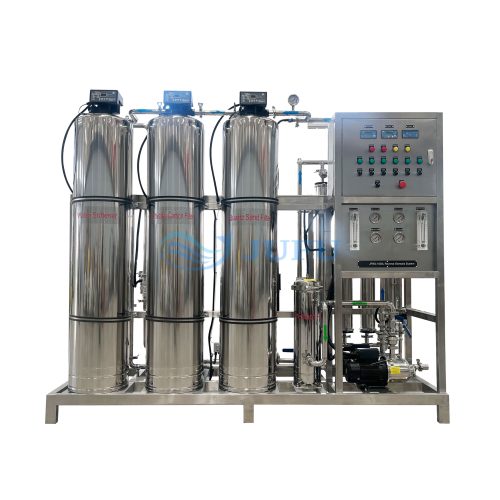
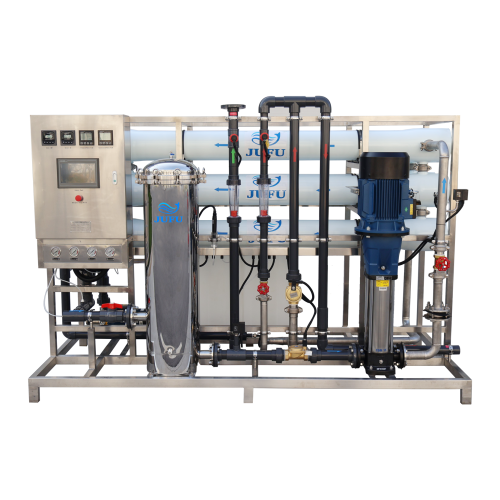
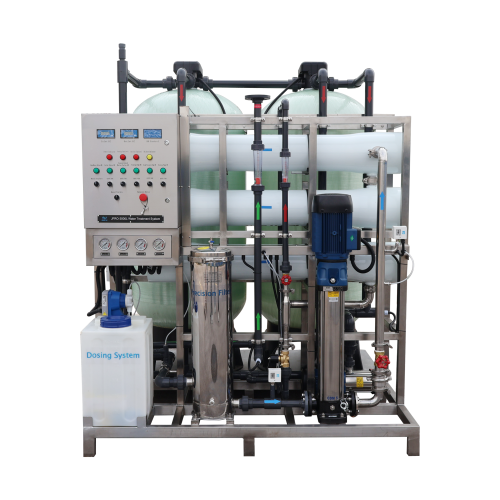
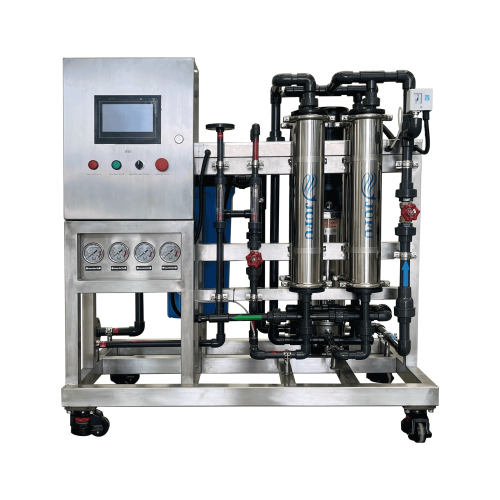
The details of 2000LPH double stage reverse osmosis system
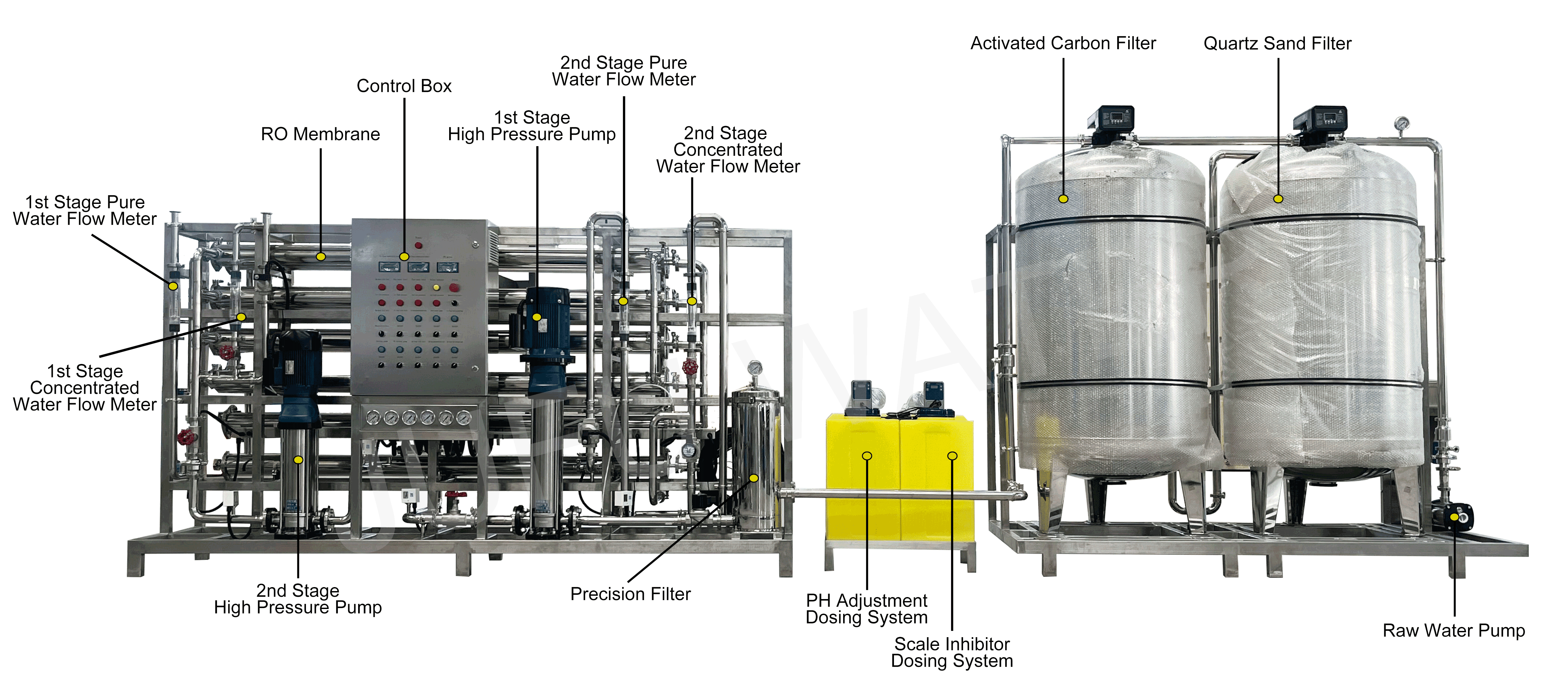
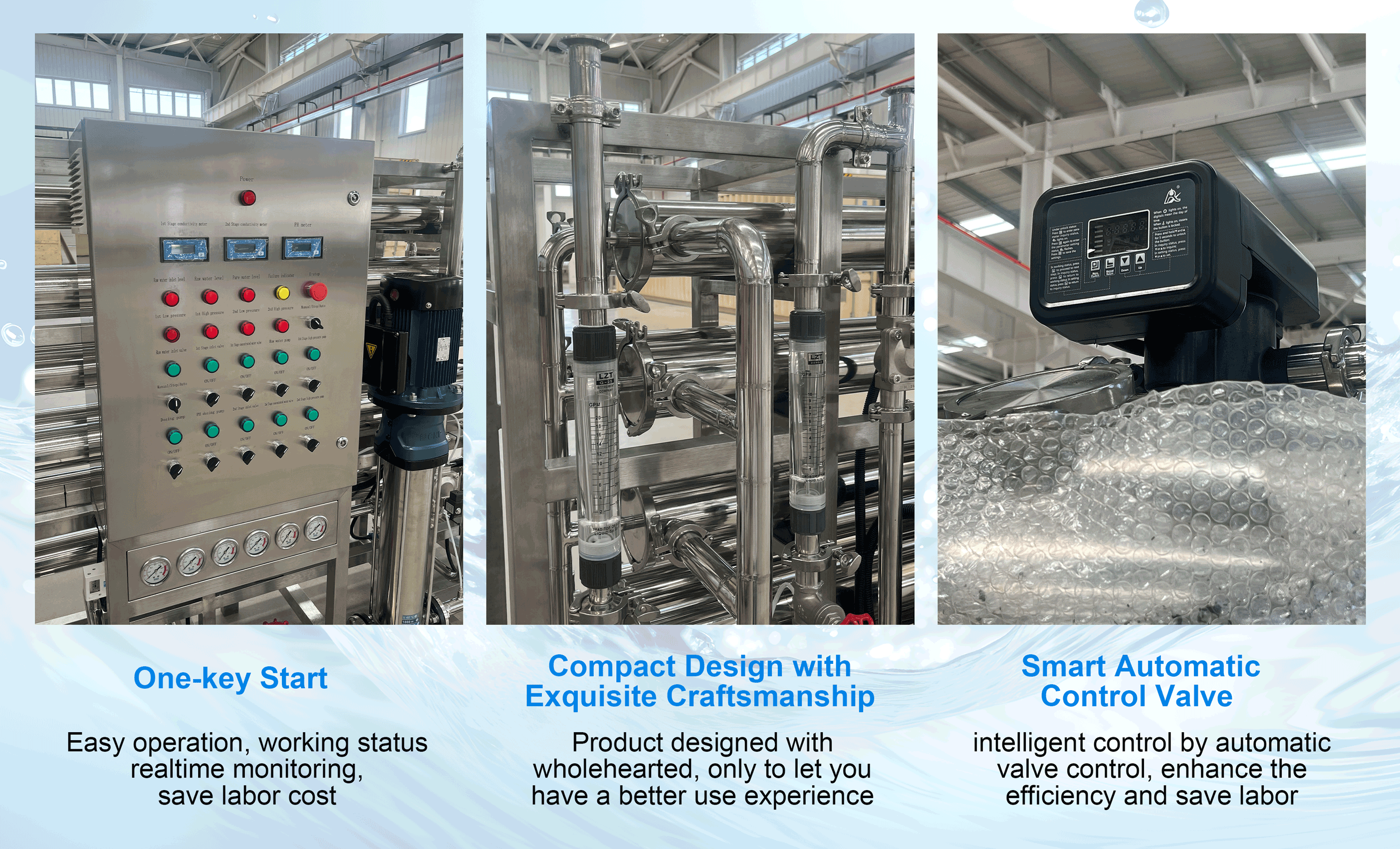
Why a Double Stage Reverse Osmosis System?
In most cases, it is used when there is a specific desired water quality level on the final permeate, as required by the process equipment. It can be a combination of two brackish water RO systems or a sea water RO followed by a brackish water RO system.
Many parts of the world are facing droughts and pressure to conserve water. A 2 Pass RO system is able to help by minimizing the reject water generation.
If the application is concerned about the water quality. An Electro Deionization (EDI) system is a complimentary water polishing system to the Double stage RO system should the plant need and ultrapure water for Semi-Conductor or advanced microchip production applications.
Advantages
Our innovative Double Pass Reverse Osmosis systems technology helps to reduce dissolved solids by 99.9 per cent while maximizing water recovery.
All our brackish water reverse osmosis systems can be ordered in double pass configuration.
How to Maintain an Industrial Reverse Osmosis System
–Pre-filter Replacement:Replace pre-filters every 3-6 months to prevent fouling and ensure the RO membranes function efficiently.
–RO Membrane Cleaning:Clean the RO membranes periodically using specialized cleaning agents to remove scale and biofilm build-up. Frequency depends on feed water quality and system usage.
–System Sanitization:Regularly sanitize the entire system to prevent microbial growth. Use a compatible disinfectant and follow the manufacturer’s guidelines.
–Inspect and Replace Seals:Check seals and O-rings for wear and replace them to prevent leaks and maintain system integrity.
–Monitor System Performance:Regularly check parameters such as flow rates, pressure, and water quality. Use this data to detect potential issues early.
Why Is RO System Maintenance Important?
RO system maintenance is important because it ensures a system works efficiently. Preventative maintenance can help to identify issues before they cause damage, and scheduled filter replacements can ensure systems remain unclogged and operate efficiently. Regular cleaning maintains water quality and prevents membrane damage, saving money on expensive replacements. RO system preventative maintenance is an economical way to maintain systems.
Some Industrial Applications of Reverse Osmosis System
— Municipal Water Purification
Municipal water is regularly used for commercial and domestic applications. Along with washing and cooking applications, high-quality water is necessary for quality control to ensure consistency in recipes or soda. Commercial-grade reverse osmosis systems are outfitted in many municipal water facilities to purify this water and make sure that its quality is high enough.
— Desalination of Seawater
The main source of water for most coastal areas comes from seas and oceans, which contain salt and contaminant levels of as much as 35,000 mg/L. High-pressure reverse osmosis systems assist with the desalination of seawater as well as the reduction of bacterial and chemical contamination.
— Desalination of Brackish Water
A combination of salt and fresh water is considered brackish when the dissolved salt concentration is anywhere from 1,000-15,000 mg/L. In comparison, potable drinking water must be kept at salinity levels of less than 500 mg/L. If your feed water is currently brackish, the reverse osmosis technique should remove nearly all contaminants.
— Boiler Feed Water
Industrial boilers are considered to be highly sensitive to hard water. When this water is heated at a high temperature, there are several issues that can occur and may impact the quality and efficiency of the boiler. Industrial facilities performing mechanical, pharmaceutical, or chemical applications will treat the water with a reverse osmosis system before the water is placed into a boiler.
Reverse osmosis purification systems are powerful enough to get rid of 99% of all contaminants that can be present in water, which is why these systems are being adopted by an increasing number of industrial facilities and business across the world. While other filtration techniques can be effective at removing contaminants from water, RO systems are among the only ones that can be used at commercial scale without spending too much money.