sales@jufuwater.com +8618001362005
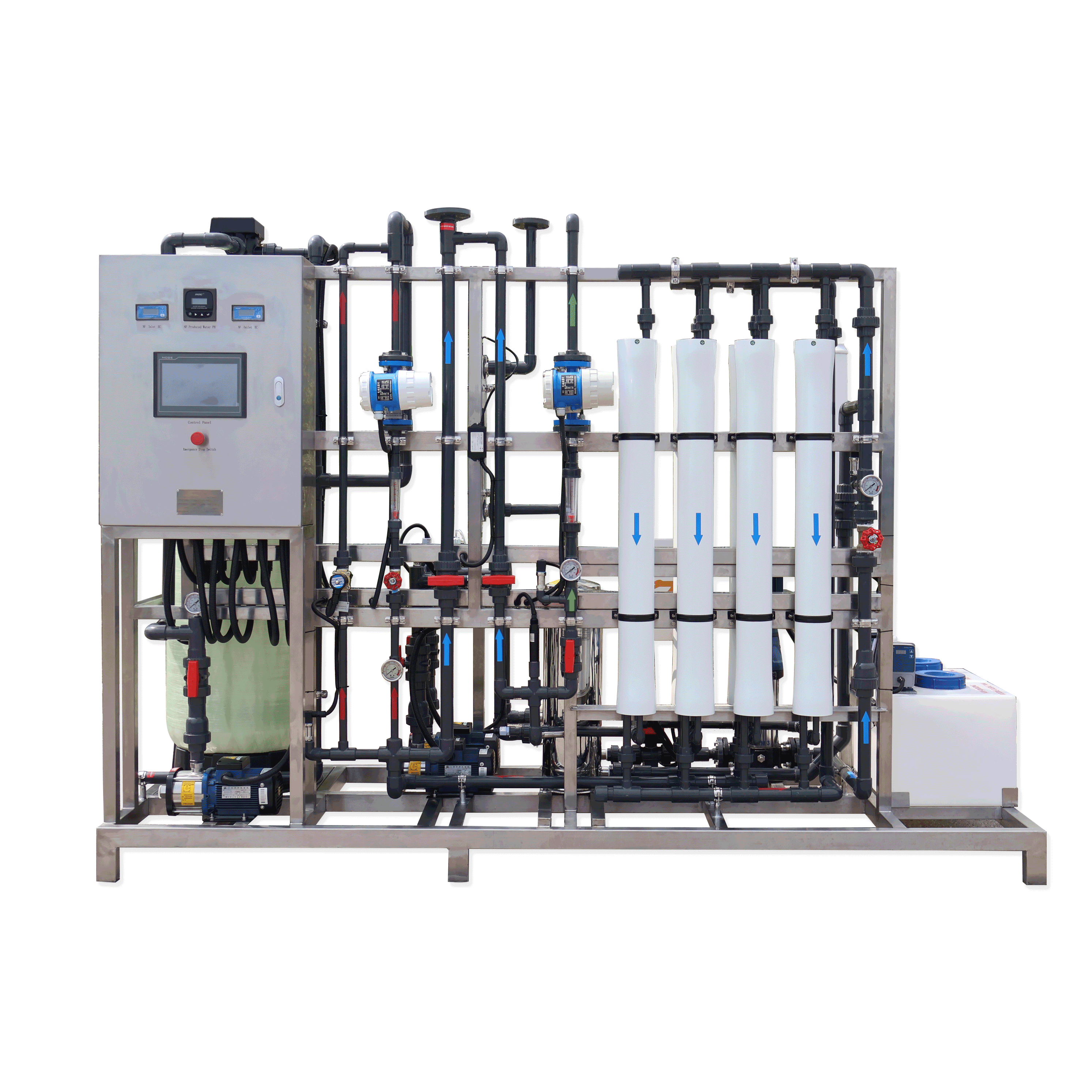
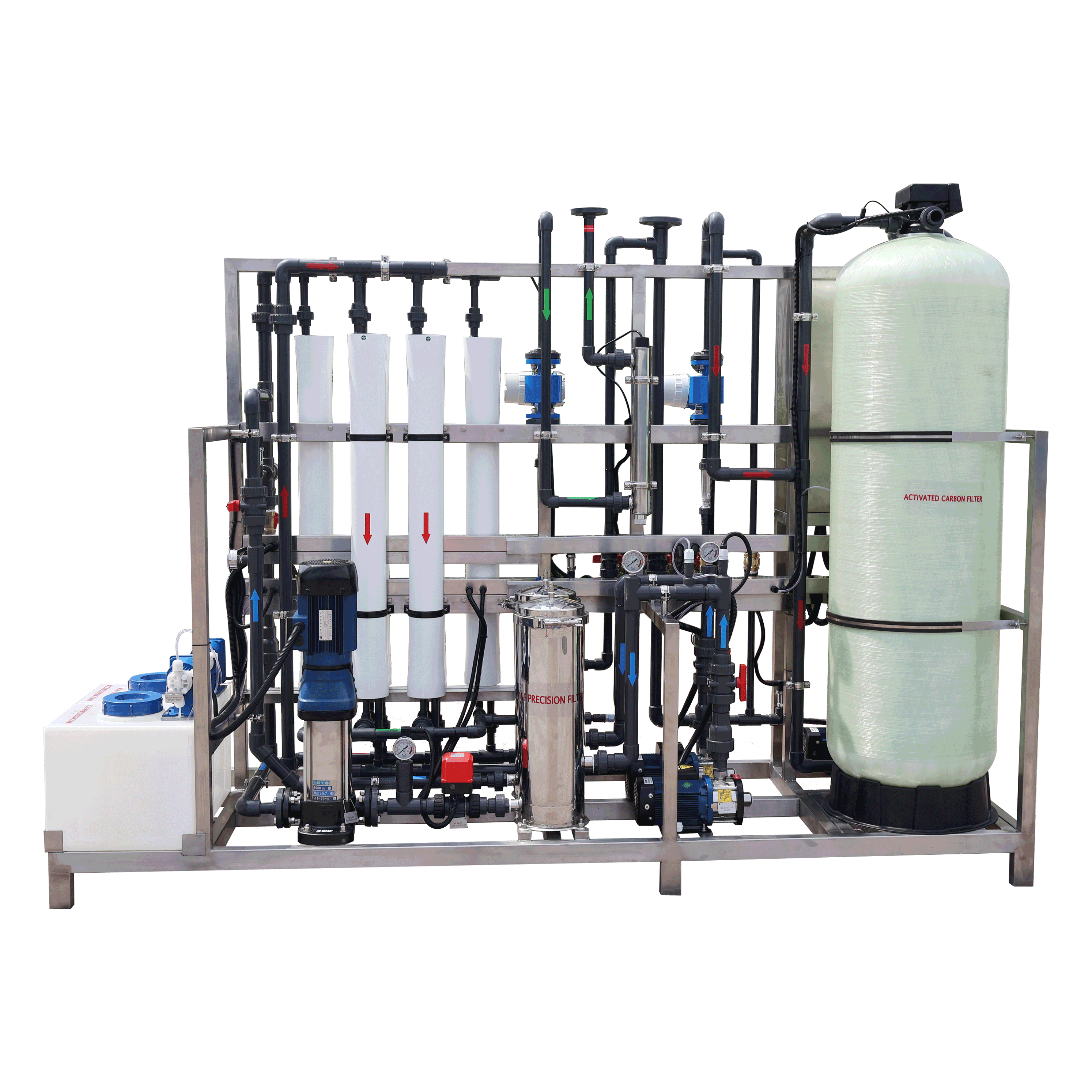
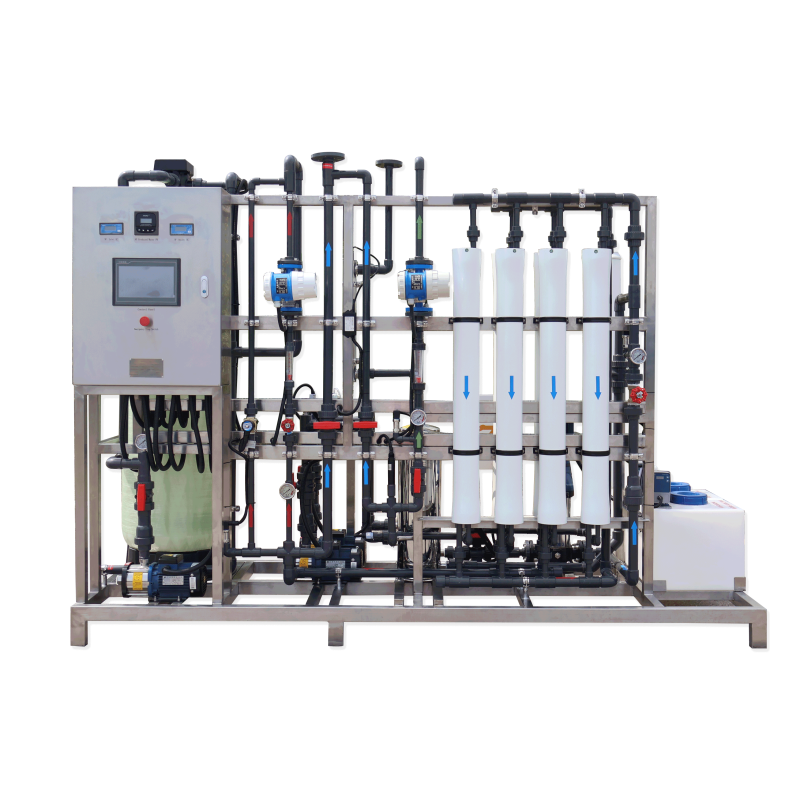
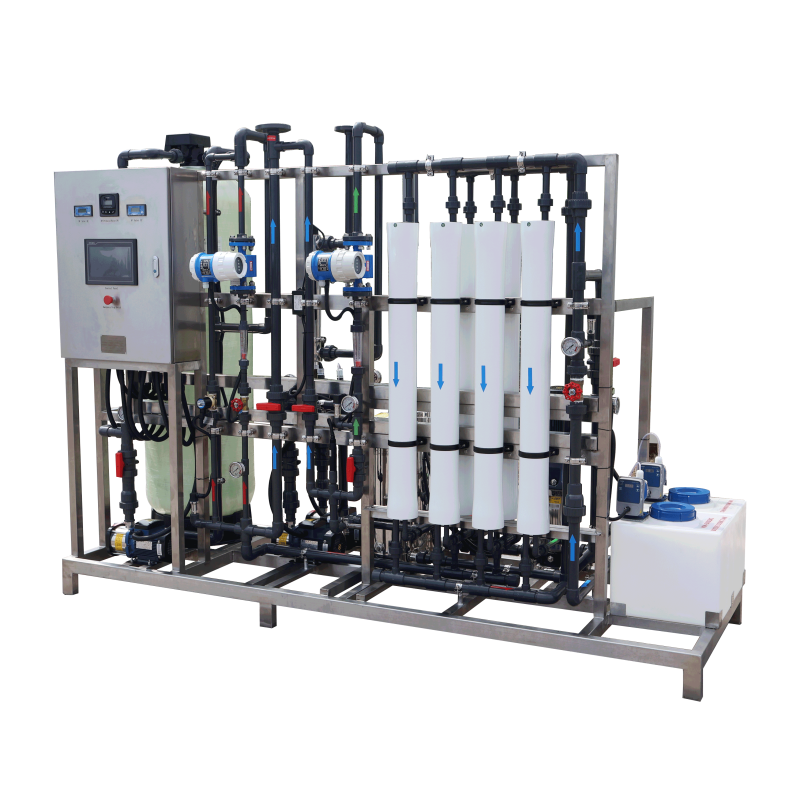
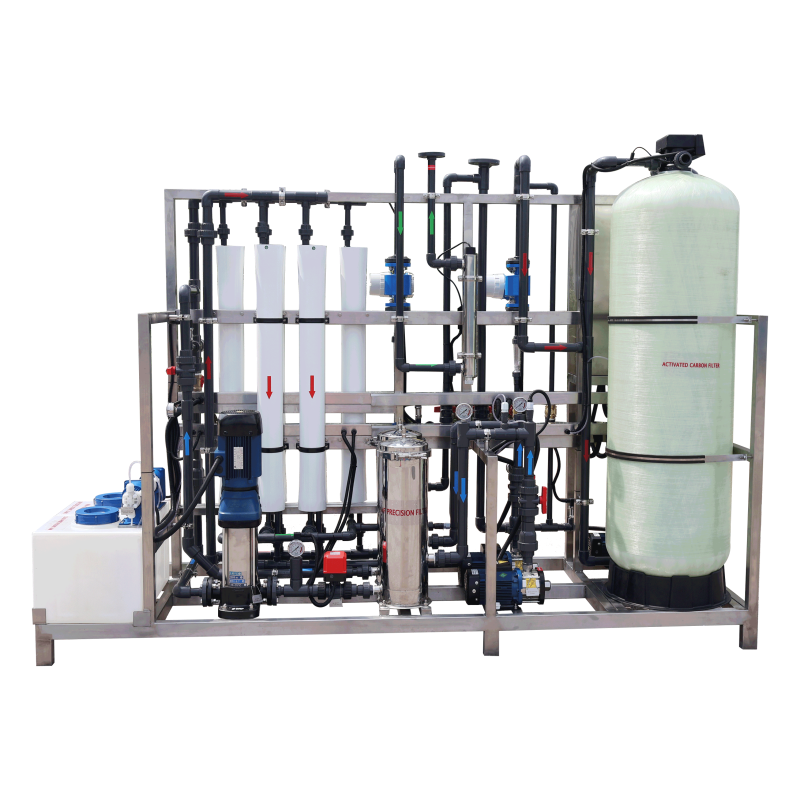
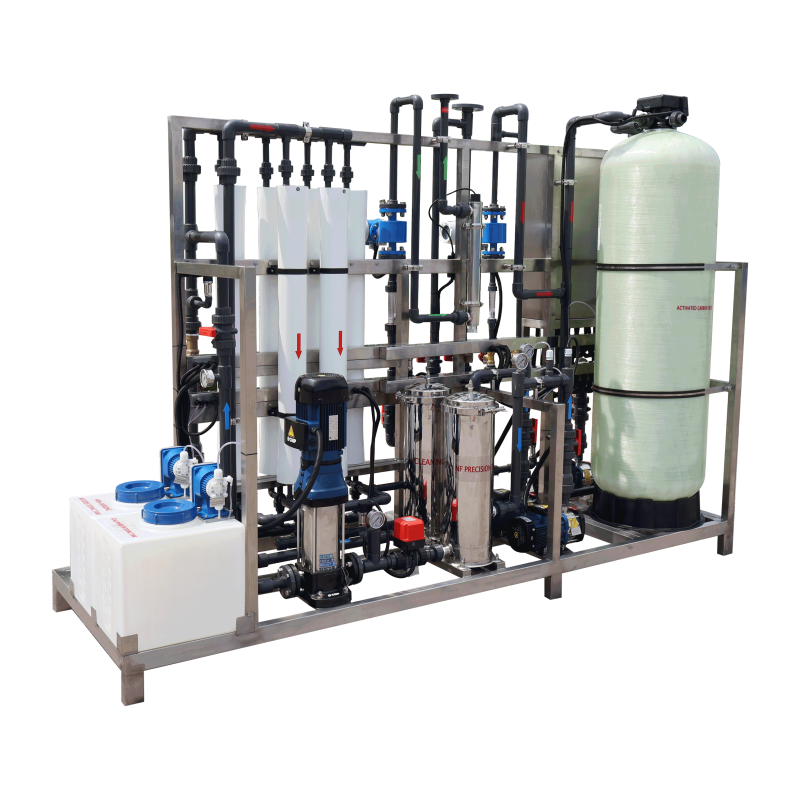
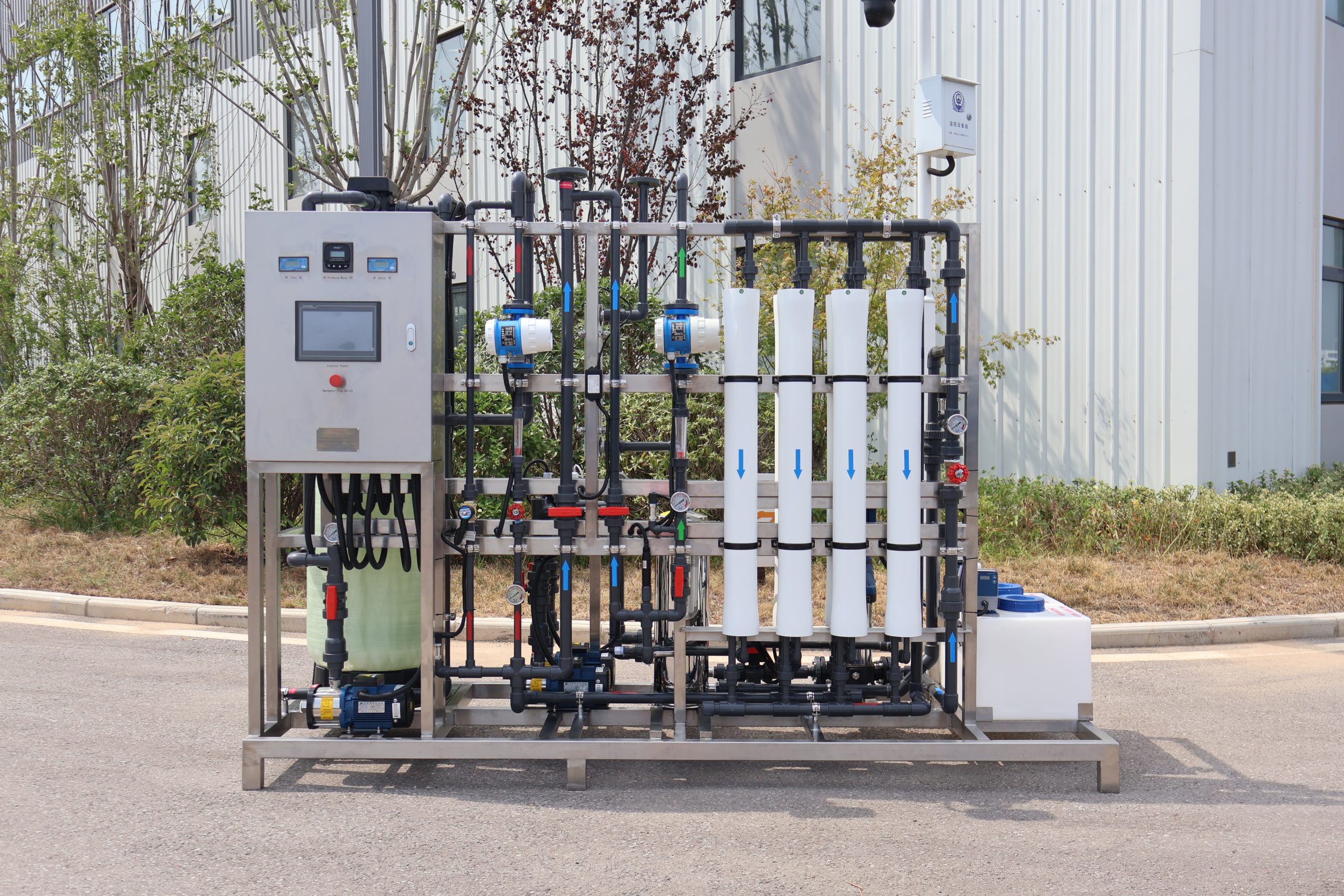
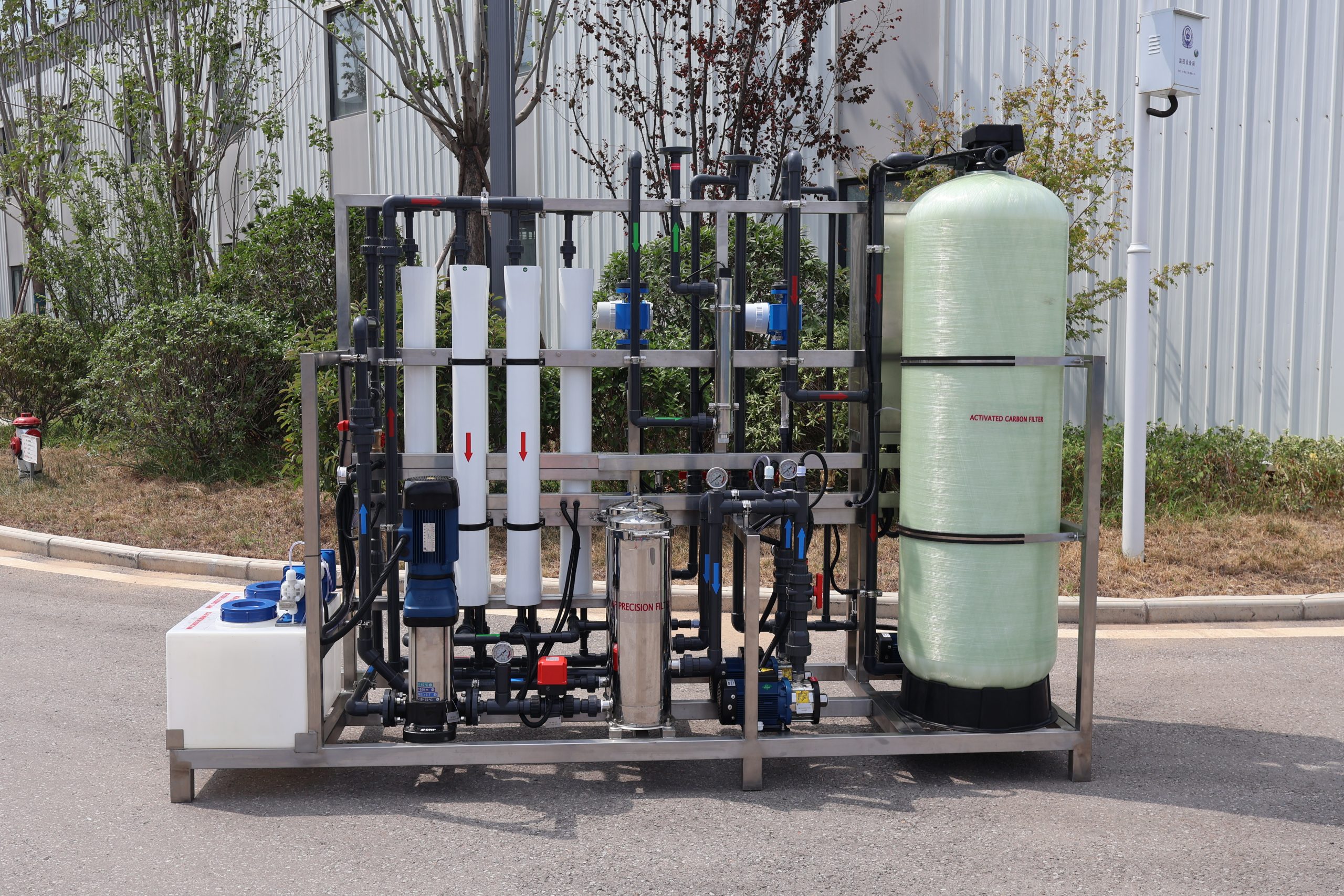
2500LPH Nanofiltration System
- Model: JFNF-2500L
- ISO9001 & CE certified
- Capacity: 2500liter/hour
- Recovery rate: 75%
- Membrane size: 4040
- Control type: Auto
- Pre-shipment testing: Provided
- Installation guidance: Online Video meeting
- Warranty: 12 months
- Package: Wooden case
- Export market: United States, Spain, Poland, Italy, Australia, Canada, Mexico, Philippines, Peru, Saudi Arabia, Jamaica, Columbia, Chile, Peru,Bolivia, Argentina,Indonesia,Malaysia,Vietnam,Nigeria,Tanzania,Kenya, Morocco,Kyrgyzstan, Russia
Nanofiltration Membrane Introduction
Nanofiltration Membrane: Pore size above 1nm, generally 1-2nm. It is a functional semi-permeable membrane that allows solvent molecules or certain low molecular weight solutes or low valence ions to pass through. It is a special and promising variety of separation membrane, which is named for its ability to retain substances with a size of approximately nanometers. It is used for removing organic matter and coloration from surface water, removing hardness from groundwater, partially removing dissolved salts, concentrating fruit juices, and separating useful substances from pharmaceuticals.
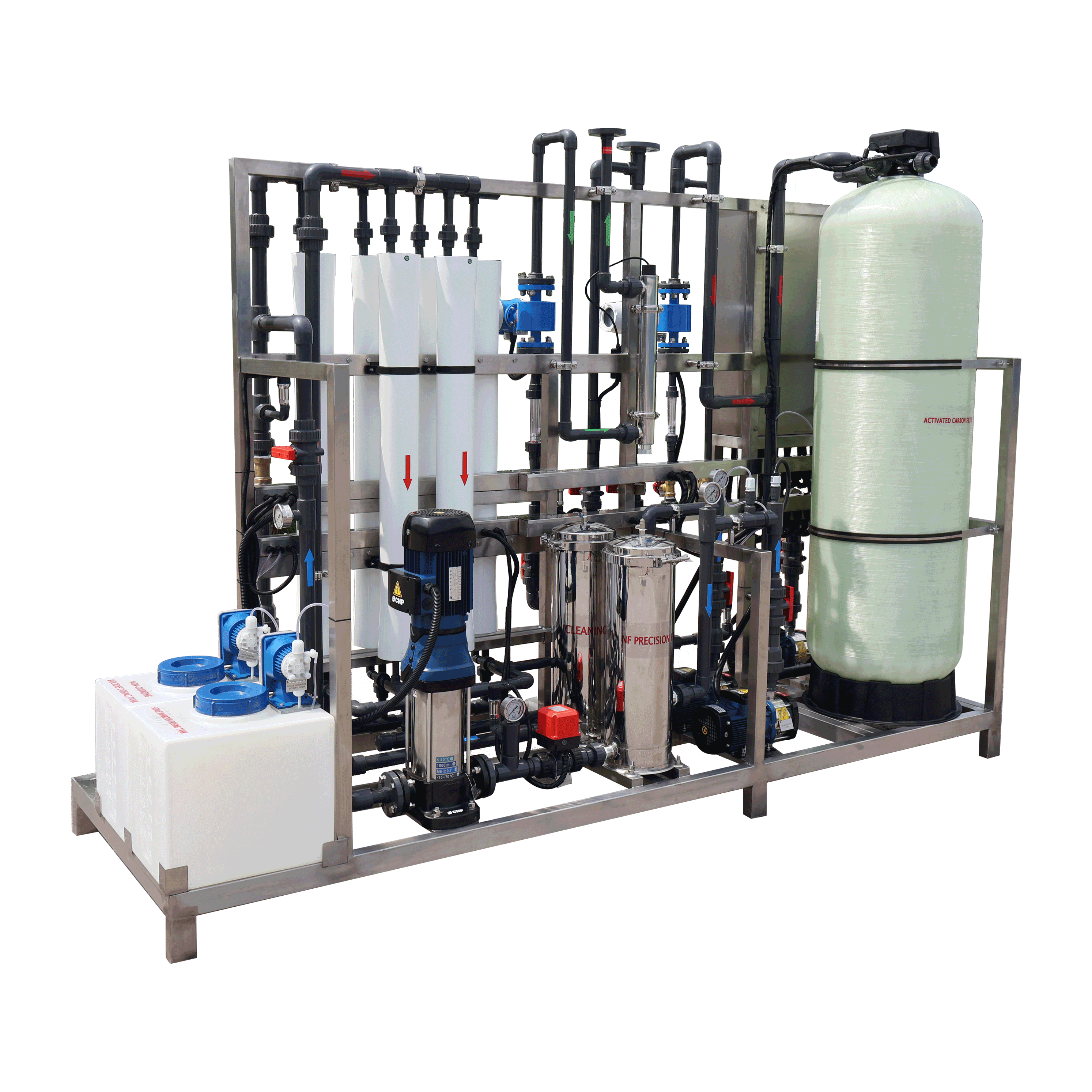
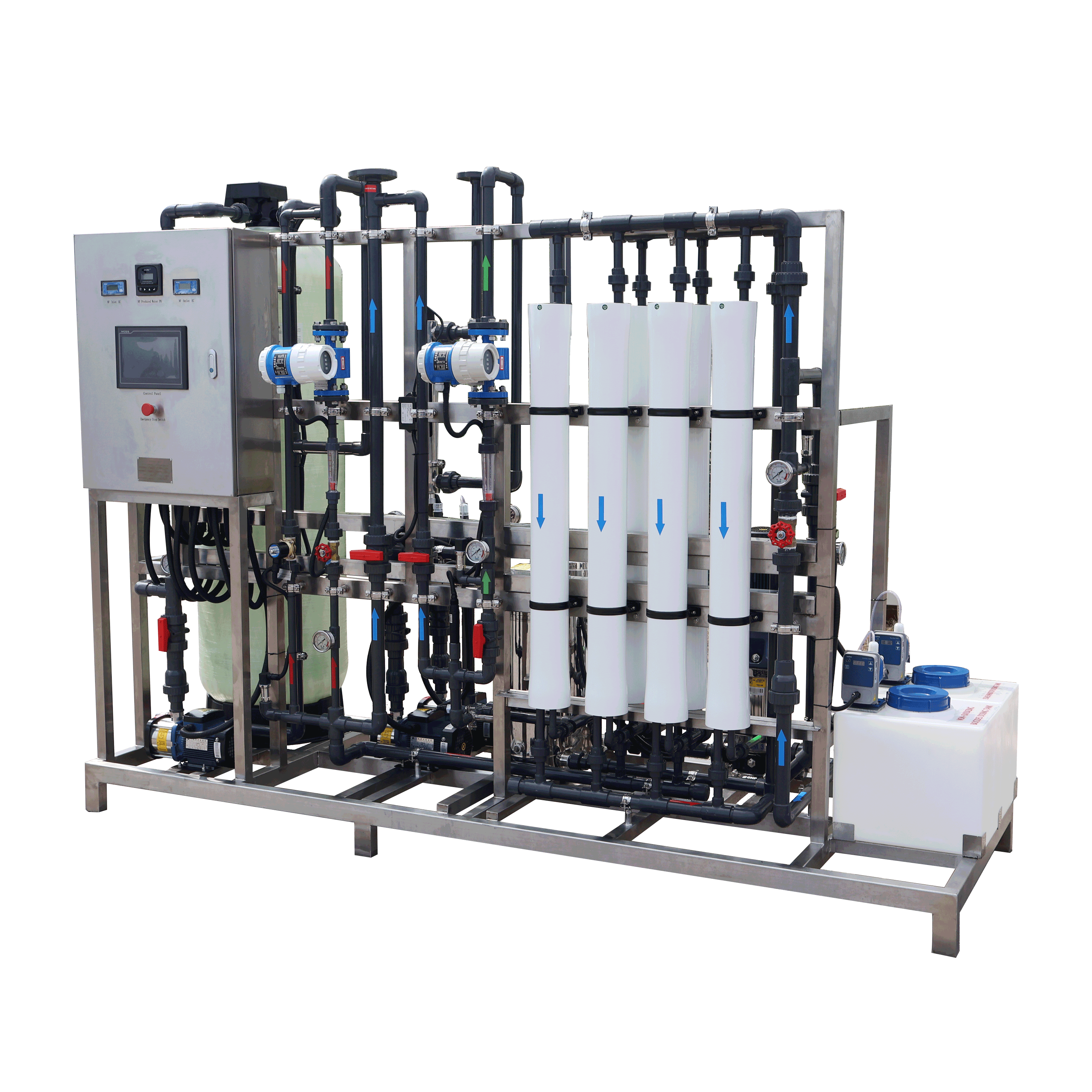
Functions and Roles of Nanofiltration:
Special softening function
Membrane water softening is mainly the use of nanofiltration membrane on different valence ions selective permeability characteristics of water softening. Membrane softening in the hardness at the same time, but also to remove the turbidity, chromaticity and organic matter, the water quality is significantly better than other softening processes. And the membrane softening has no regeneration, no pollution, simple operation, floor space and other advantages, with obvious social and economic benefits. Membrane softening in the United States has been very common, Florida in the last 10 years, the new water softening plant are using membrane softening, instead of the conventional lime softening and ion exchange process. In recent years, with the continuous improvement of the performance of nanofiltration, nanofiltration membrane module prices continue to decline, the membrane softening method in terms of investment, operation, maintenance, etc. has been better than or close to the conventional method.
Removal of organic matter from water
Nanofiltration membrane in the drinking water treatment, in addition to softening, mostly used for decolorization, removal of natural and synthetic organic matter (such as pesticides, etc.), three to substances, disinfection by-products (trihalomethanes and haloacetic acid) and its precursors and volatile organic compounds, to ensure that drinking water biostability and so on.
Removal of trichothecenes
Studies have shown that nanofiltration membranes can remove most of the toxic and harmful organics and Ames mutagenic substances in water, so that the mutagenicity ratio MR value of TA98 and TA100 strains in each test dose is less than 2, and the results of the Ames test are negative. Further studies will examine the retention characteristics of nanofiltration technology for endocrine disruptors in drinking water to provide a basis for safe and high quality drinking water.
Sterilization Byproduct Removal
Disinfection by-products mainly include trihalomethanes (THMs), haloacetic acids (HAAs) and possibly trichloroacetaldehyde hydroxide (CH). Foreign scientists and technologists have carried out extensive research in this area, and the average retention rates of nanofiltration membranes for the precursors of these three disinfection by-products were 97%, 94% and 86%, respectively. Through the appropriate selection of nanofiltration membrane, can make the drinking water quality to meet the higher standards of safe and high quality drinking water quality. In addition, the nanofiltration effluent is low corrosive, the service life of the drinking water network and pipeline metal ions have a positive impact on the leaching, and help to protect all materials in the water distribution system. Tests have shown that a nanofiltration membrane system with the necessary post-treatment can reduce the dissolution of lead in the pipe network by 50 percent, while at the same time allowing the concentration of other dissolved metal ions to meet the requirements of drinking water quality standards.
Volatile Organic Compounds Removal
High removal rate of trace VOCs from drinking water.
Piped drinking water applications
Nanofiltration can retain ions and other particles above divalent, and only water molecules and some monovalent ions (e.g. sodium, potassium, chloride ions) are transmitted. Nanofiltration can be used to produce direct drinking water, the effluent still retains a certain number of ions, and can reduce treatment costs.
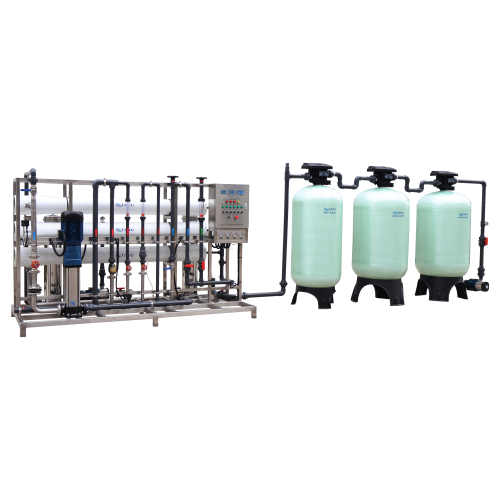
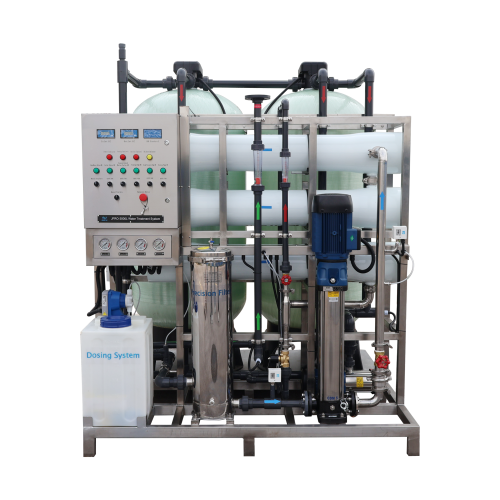
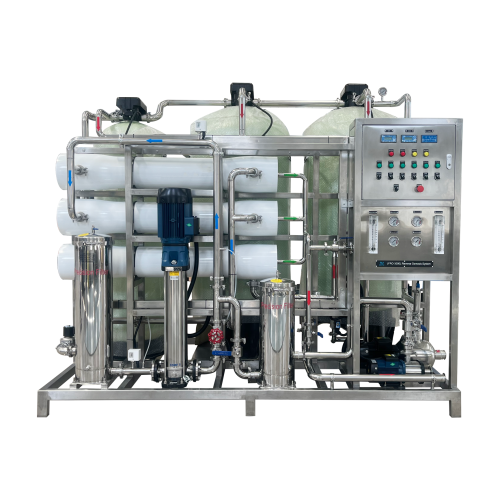
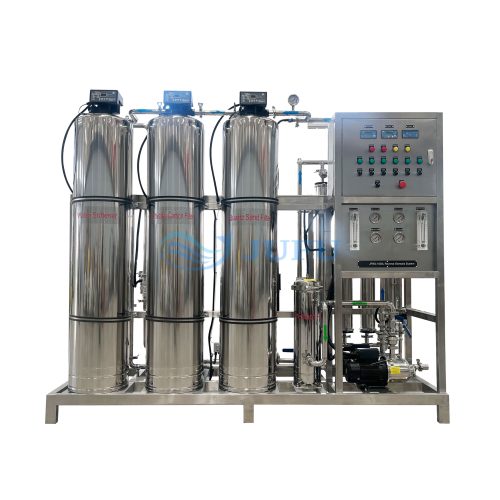
Product display
Applicable scenes of Nanofiltration System
1.Pharmaceuticals (desalination and concentration of antibiotic resin resolution solution, vitamin concentration)
2.Amino acids (decolorization and removal of impurities, concentration, desalination)
3.Food (separation and purification of oligosaccharide and starch sugar, concentration of fruit juice, plant extraction)
4.mother liquor recovery (monosodium glutamate mother liquor decontamination, glucose crystallization mother liquor decontamination, etc.)
5.Water treatment (printing and dyeing wastewater treatment, water reuse, ultrapure water preparation)
6.Dyestuff (desalination and concentration, instead of salt precipitation, acid precipitation)
7.Acid, alkali recovery (pharmaceutical industry, washing column acid, alkali waste liquid, chemical fiber industry, waste acid and alkali)
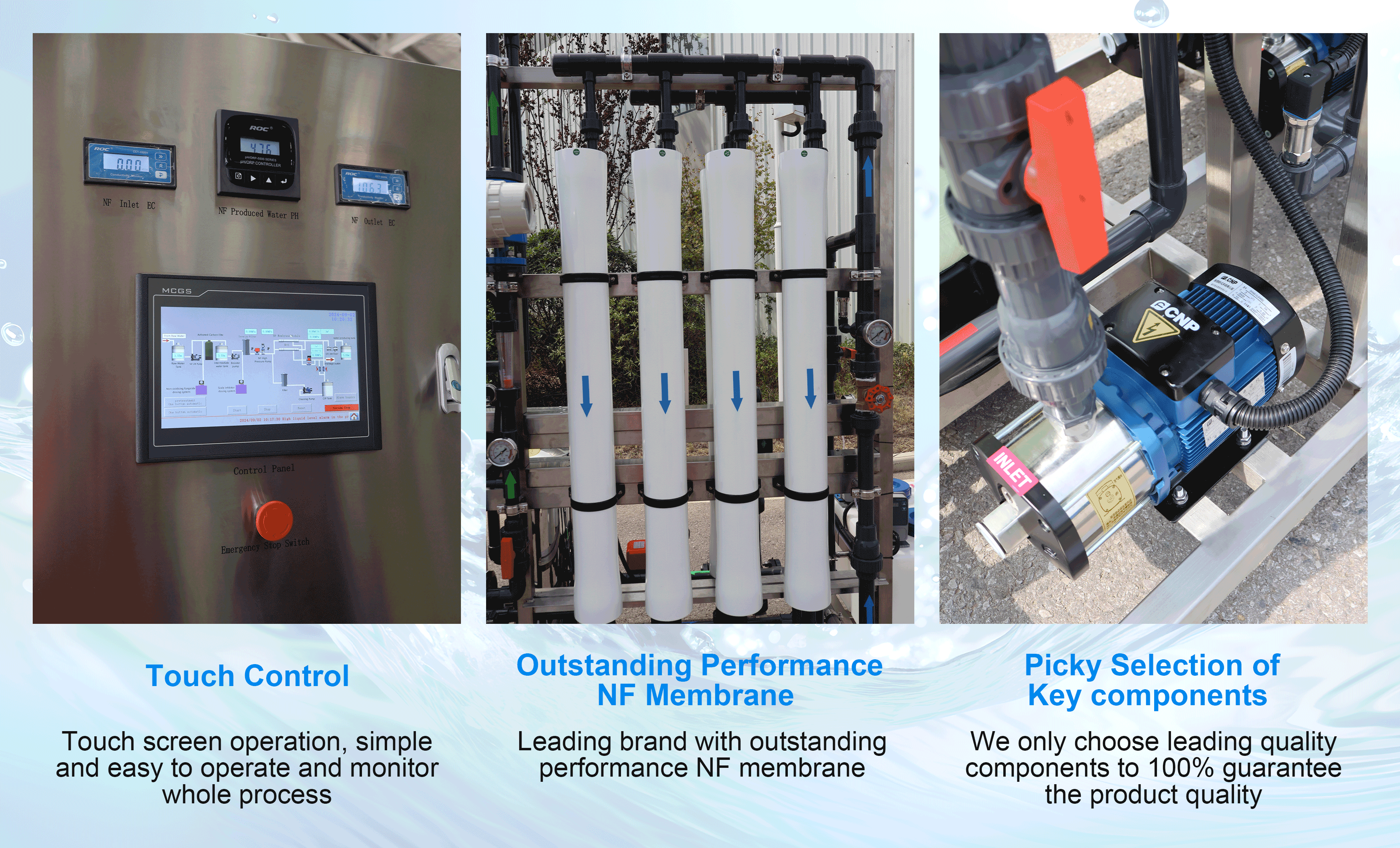
Details of 2500lph Nanofiltration System
Specification of 2500lph Nanofiltration System
| Model | JFNF-2500L | ||
| Producing Capacity | 2500L/H | RO membrane | 4″ |
| Recovery Rate | 75% | Power Supply | Single-phase: 110/120/220V 50/60Hz |
| Operating Pressure | 0.4-1.0MPa | Tri-phase: 110/220/380/415V 50/60Hz | |
| Desalination Rate | 99% | Power Consumption | 3.6kW |
| Filtration Accuracy | 1 Nanometer | Control Type | Manual control / Auto control |
| Feed Water Quality | SDI<5 Free Chlorine Concentration<0.1mg/L COD<30mg/L | ||
| Features |
Removal of organic matter and color from surface water, removal of hardness from groundwater, partial removal of dissolved salts, concentration of fruit juices, separation of useful substances from pharmaceuticals, etc. |
||