
sales@jufuwater.com +8618001362005
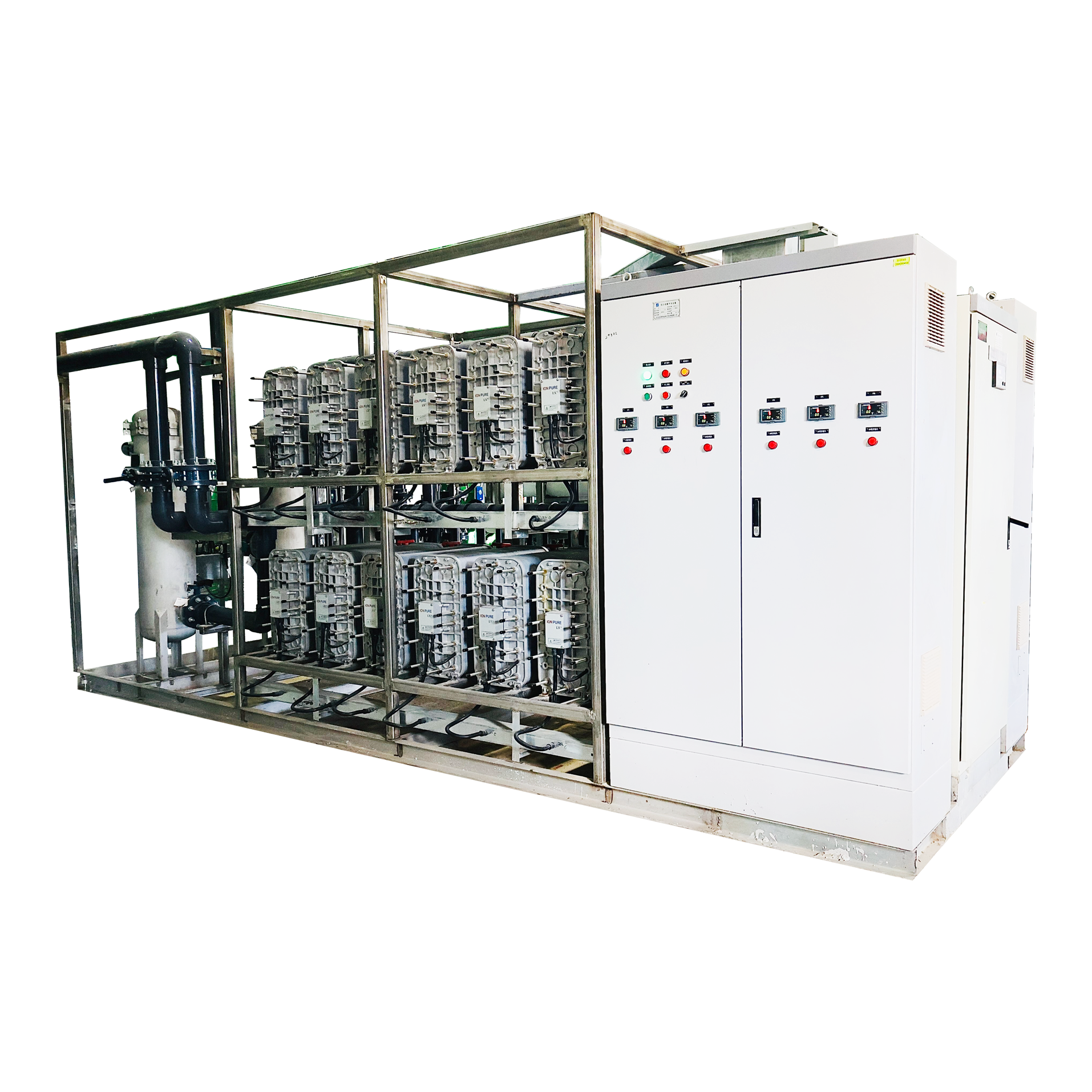
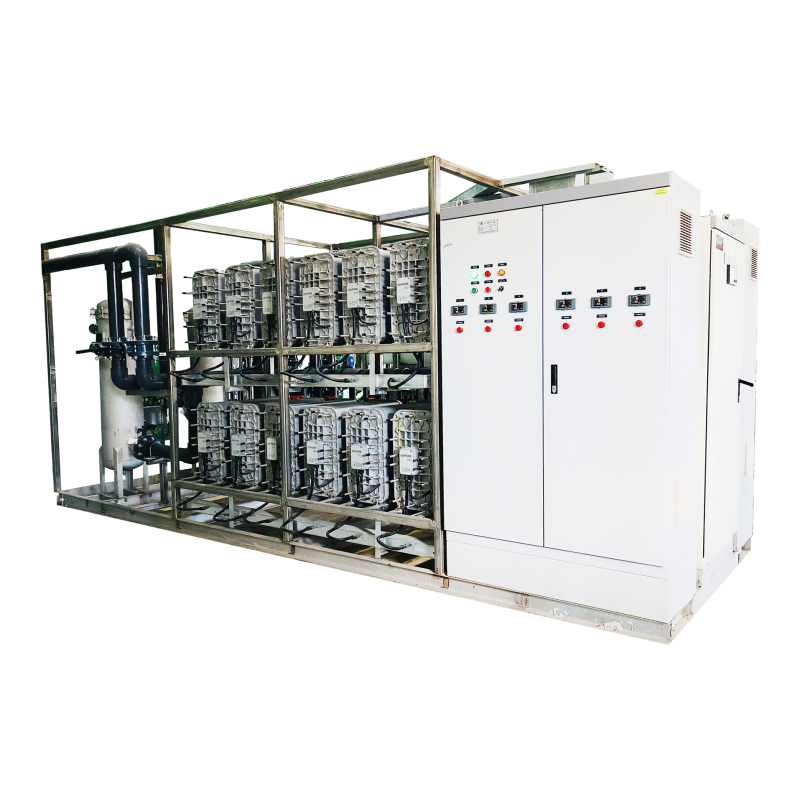
EDI Ultra Pure Water Treatment System
1. Brand: JUFU
2. ISO9001 & CE certified
3. Pure water type: Ultra-pure water
4. Control type: Auto
5. Applicable industries:Ultra-pure water in electronics,semiconductor and precision machinery industries,Chemical water treatment, Pharmaceutic industry, food&beverage industry
6. Pre-shipment testing: Provided
7. Installation guidance: Online Video meeting
8. Warranty: 12 months
9. Package: Wooden case
10. Export market: United States, Spain, Poland, Italy, Australia, Canada, Mexico, Philippines, Peru, Saudi Arabia, Jamaica, Columbia, Chile, Peru,Bolivia, Argentina,Indonesia,Malaysia,Vietnam, Nigeria, Tanzania, Kenya, Morocco,Kyrgyzstan, Russia
What is Electrodeionization (EDI)?
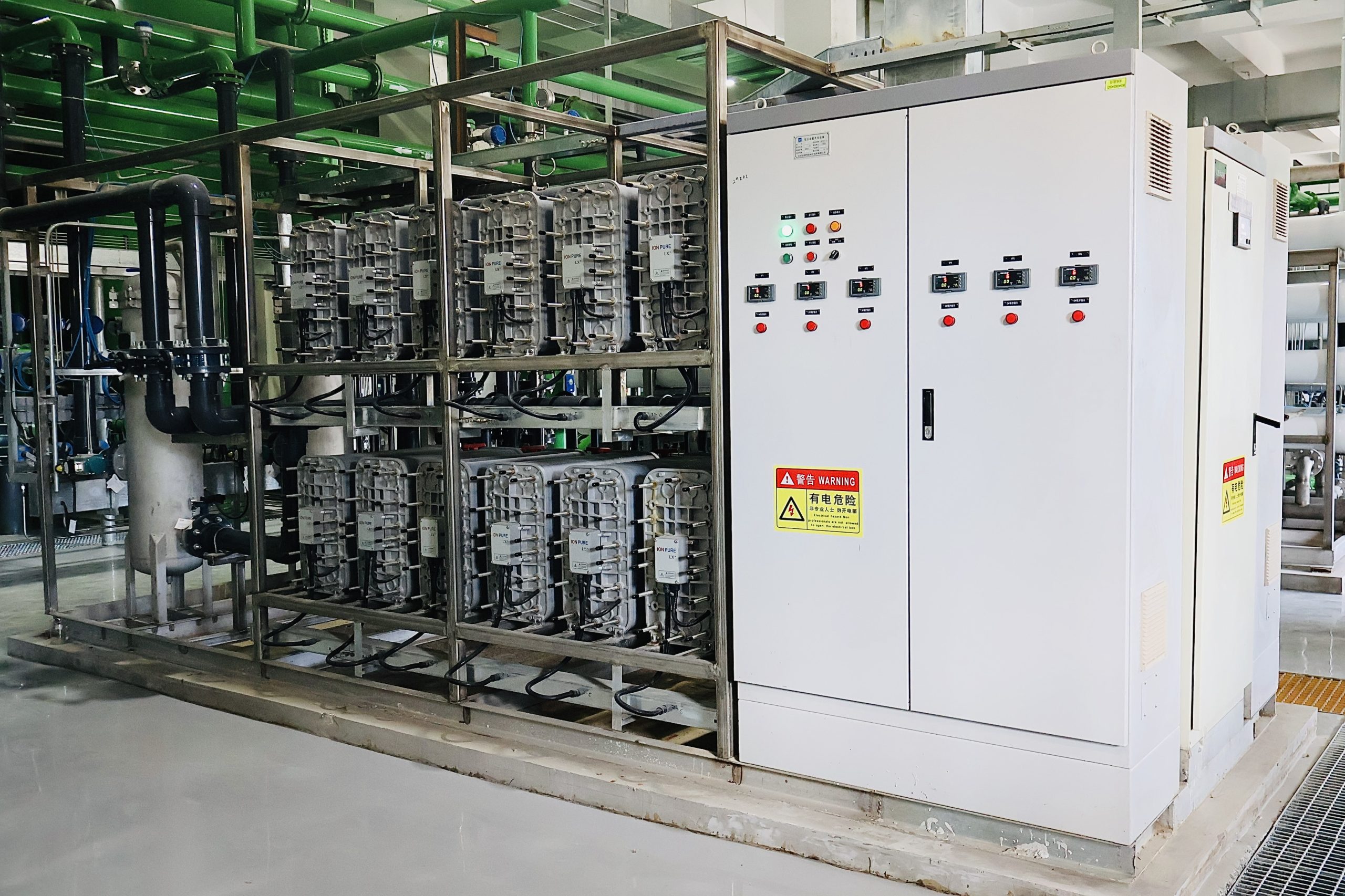
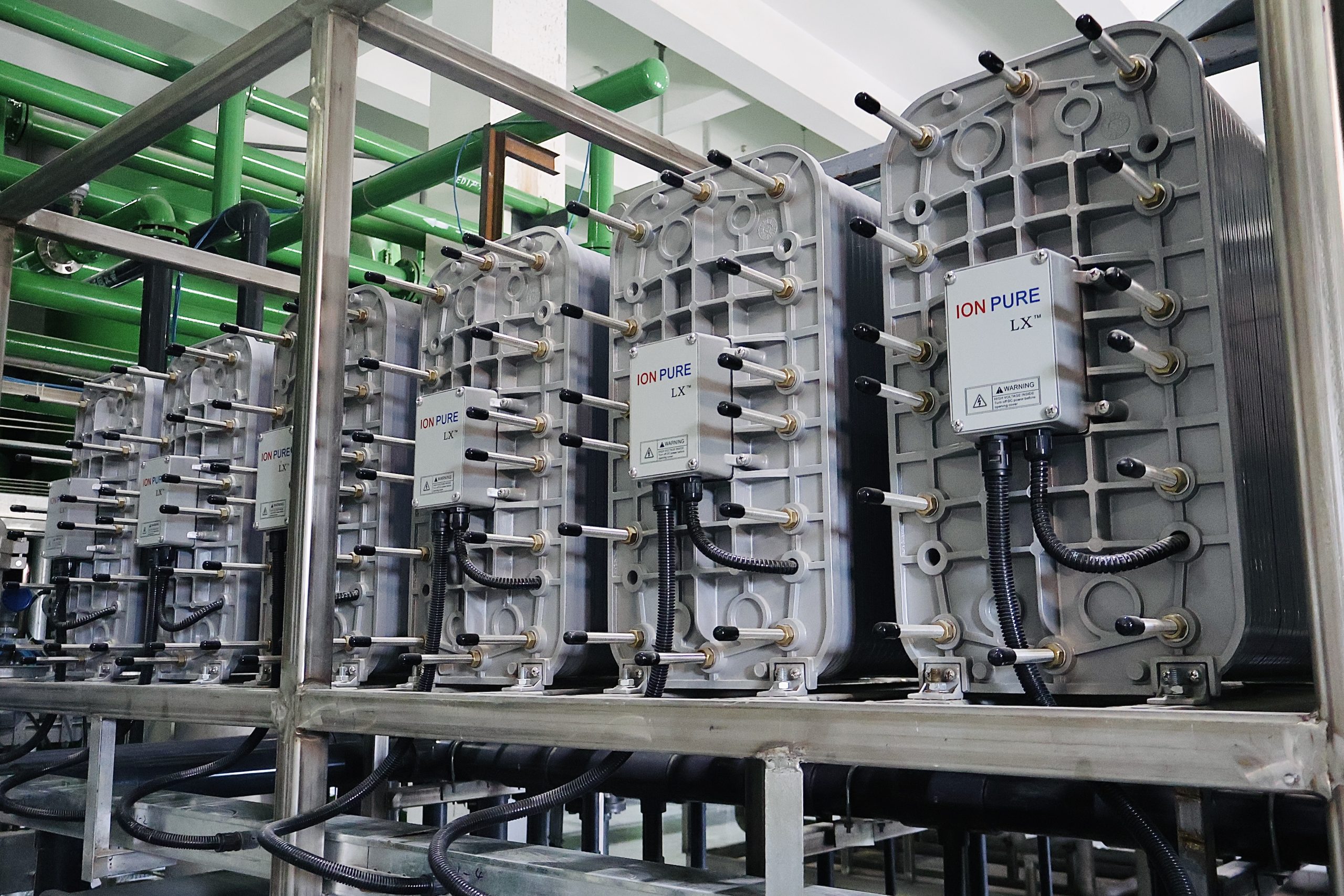
EDI is an electrically-driven water treatment technology taht uses electricity, ion exchange membranes and resin to remove ionized species from water
What does Electrodeionization remove?
EDI removes ions and other charged species from water, like salts and organic acids.
What are the benefits of Electrodeionization?
The ion exchange beds in the EDI systems are regenerated continuously so that they do not exhaust in the same way as ion exchange beds that are operated in batch mode. As the impurities are removed via the concentrates, they do not build-up and exhaust the resin. An EDI unit may operate for many years before a replacement is required. Typically product water resistivity of >15 MΩ.cm is consistently achieved using this process. This technology can be used as an alternative to single-use purification cartridges. As well as the practical advantages and reduction in down-time of avoiding changing cartridges, EDI can also deliver more consistent purity than single-bed ion-exchange systems that may release weakly bound ions as the media exhausts. The smaller volumes of resin in an EDI module (compared to an ion-exchange bed) also reduce the release of organic impurities.
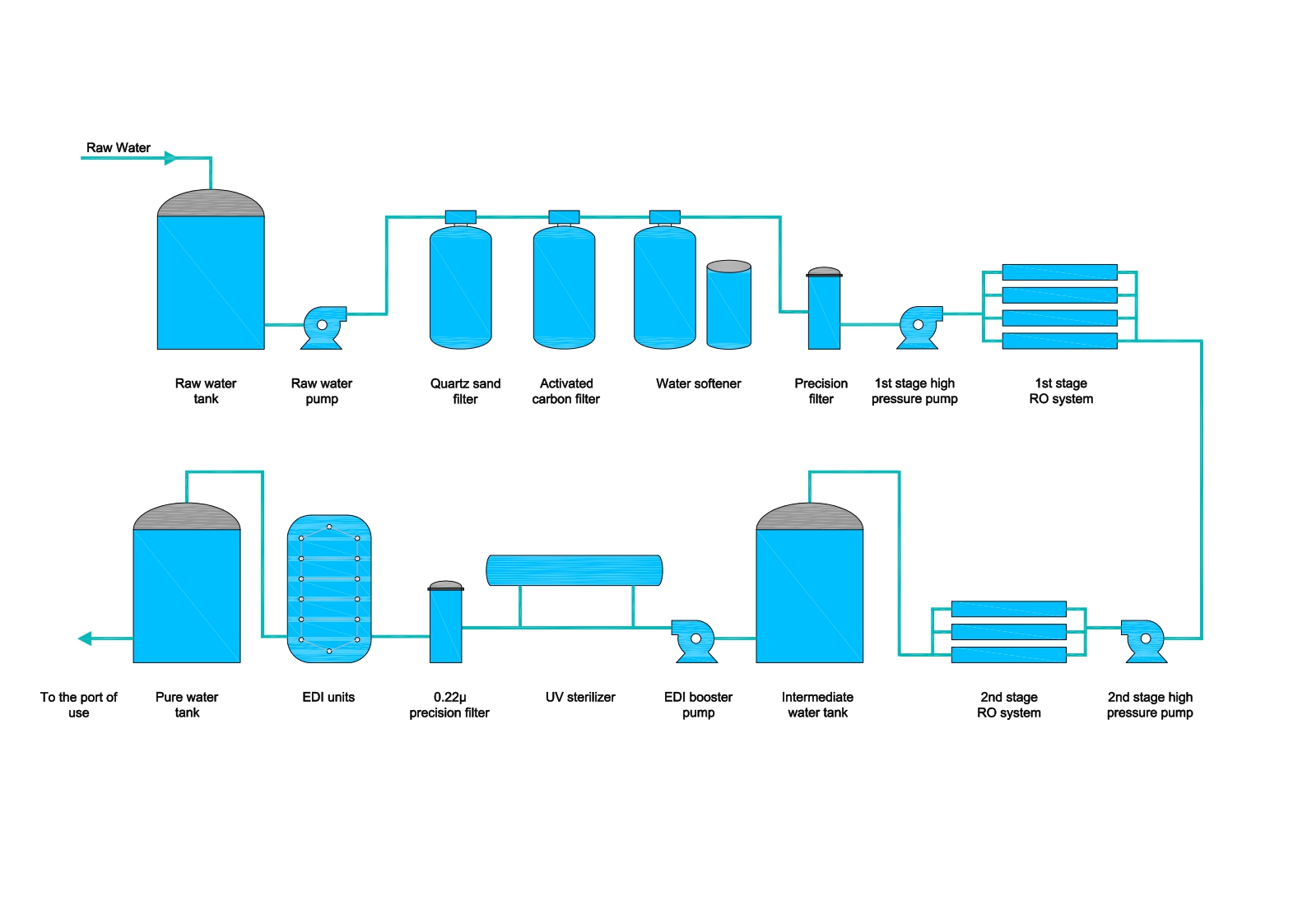
EDI flow chart
Which applications we need to use Electrodeionization?
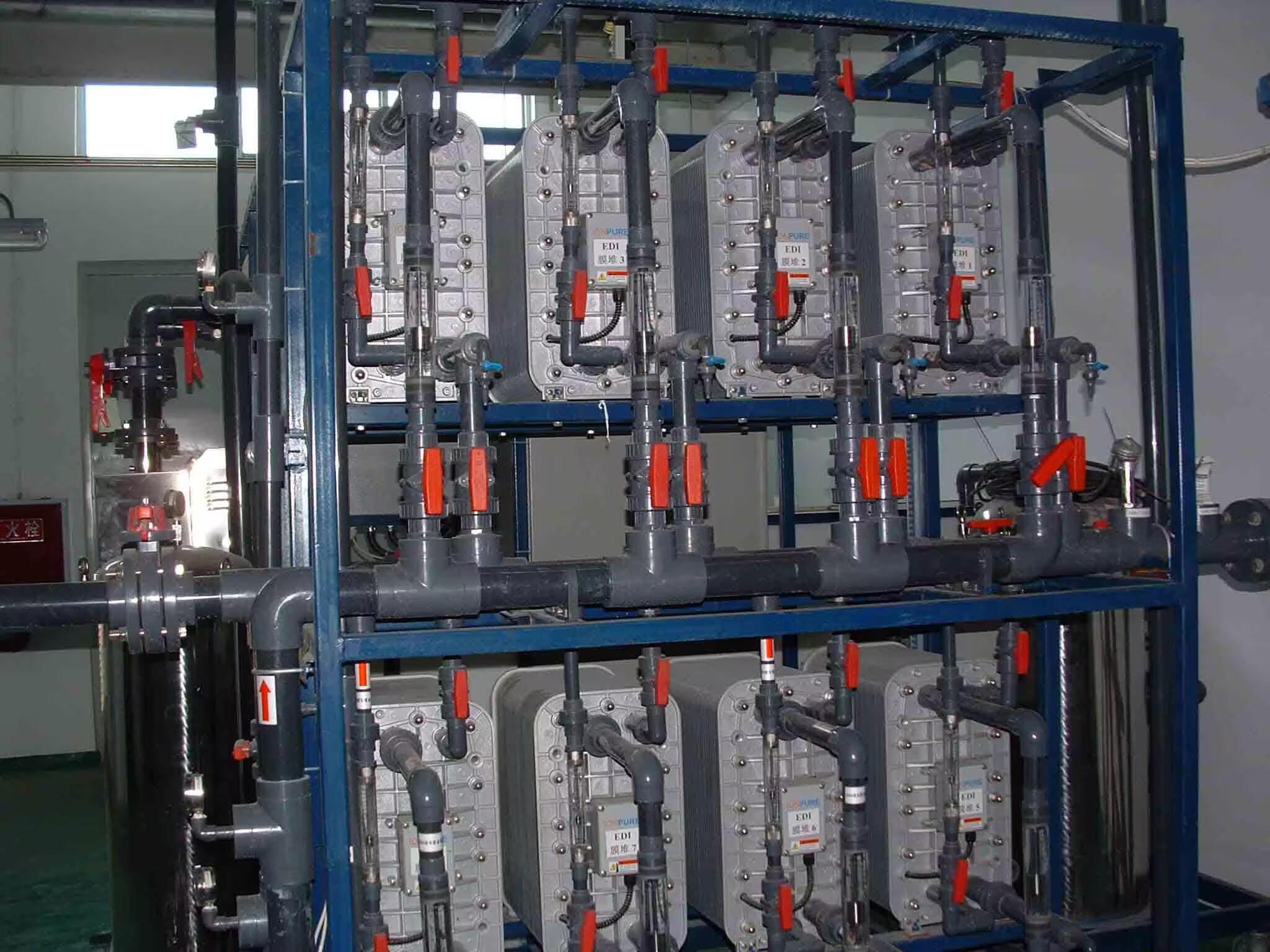
Electrodeionization is used in water treatment services for process water and ultrapure water treatment plants to remove trace levels of ionic salts. This process also be used in many applications, such as semiconductor manufacturing. These water treatment services are designed to reduce the energy required to treat water to a specified level of purity at a given pressure. EDI systems are an extremely versatile water purification technology.
Specification of EDI system
| Produced Water Resistivity | >16MΩ.cm |
| Sodium Ion in Produced Water | <3ppb |
| Silicon Dioxide Removal Rate | 99% |
| Boron Removal | 95% |
| Operating Pressure | 4.8-6.9bar |
| Power Supply | 0-300VDC |
| Current Intensity | 0-5.2ADC |
| Recovery Rate | 95% |
| Direction for Concentrated Water | Opposite direction of water flow |
| Pressure Drop at Standard Flow Rate | 1.4-2.4bar |
| Control Type | Manual contro / Auto control |
Benefits of Electrodeionization
The main benefit of EDI is an improved quality of water, available at lower operating costs. The main difference between EDI water treatment services and reverse osmosis is the effect each process has on the treated water. Where reverse osmosis turns highly saline water into “semi-pure” water, electrodeionization converts the “semi-pure” water into the water close to theoretical purity. Ions in EDI product water are typically measured 1 to 5 parts per billion (ppb) and sometimes below ppb, measured in parts per trillion (ppt).
Another benefit of EDI is that it does not produce much wastewater. This can be of particular importance in larger flow rates, where gallons per minute can be recovered back into the raw water break tank. In such a case, the EDI concentrate water is of better quality than the raw water feed, so it actually improves the pretreatment performance while operating the EDI effectively at 100% recovery.